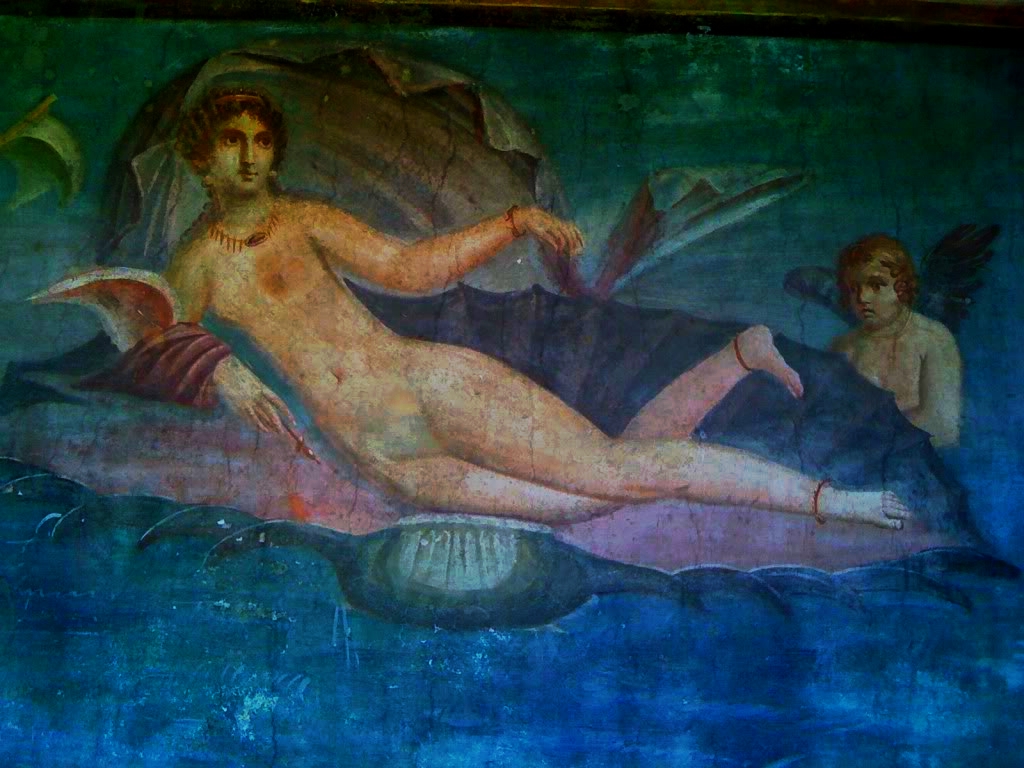
“The Goddess of Love” is one of my favorite frescoes inside the House of Venus. This fresco was discovered in 1952 located on the back wall of the garden, it portrays Venus with 2 cherubs in a pink seashell.
The remains of Pompeii were discovered by accident in the 1590’s when architect Domenico Fontana was excavating the canal to bring the waters from river Sarno to Torre Anunziata but it was not until the 1750’s that the site was seen as an archaeological treasure and one of the most important and well preserved examples of Roman civilization. Follow me on this amazing trip around the streets, houses and wineries of Pompeii, Herculaneum and the Vesuvius National Park.
The Amphitheatre, the oldest of its kind in existence, was used for gladiatorial combat and could hold 20,000 people. The stone tiers were separated in to different sections for the various social classes.
In 90-89 BC the people of Campania became Roman citizens. Naples (Neapolis) or the new city came in to contact with the growing power of Rome. In AD 79 the erupting Vesuvius buried a number of ancient Roman cities including Pompeii.
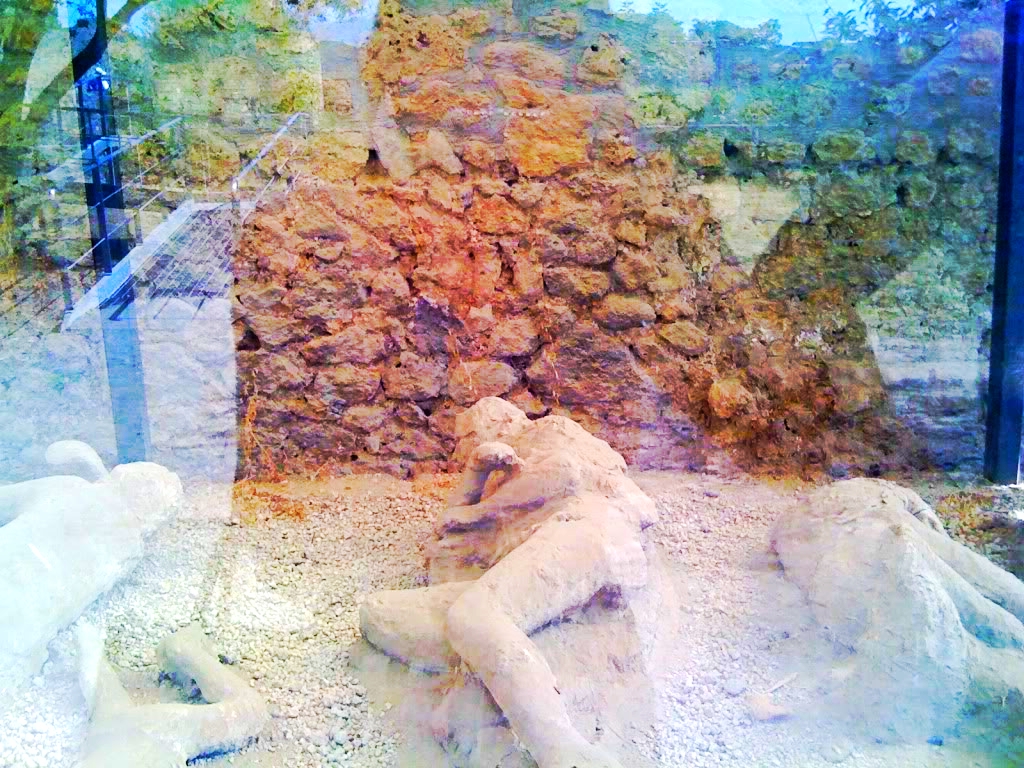
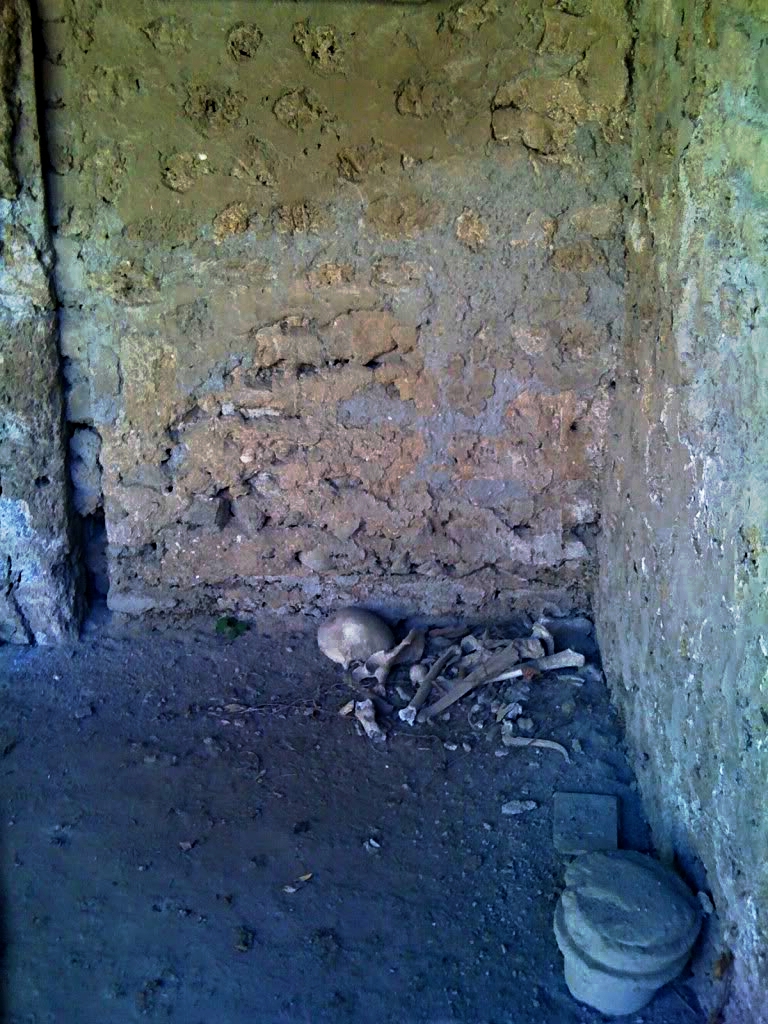
Ash and debris covered Pompeii and bodies were buried by a landslide of thick mud. People tried to scape but didn’t make it, many were killed by the toxic fumes while engaged in everyday tasks.
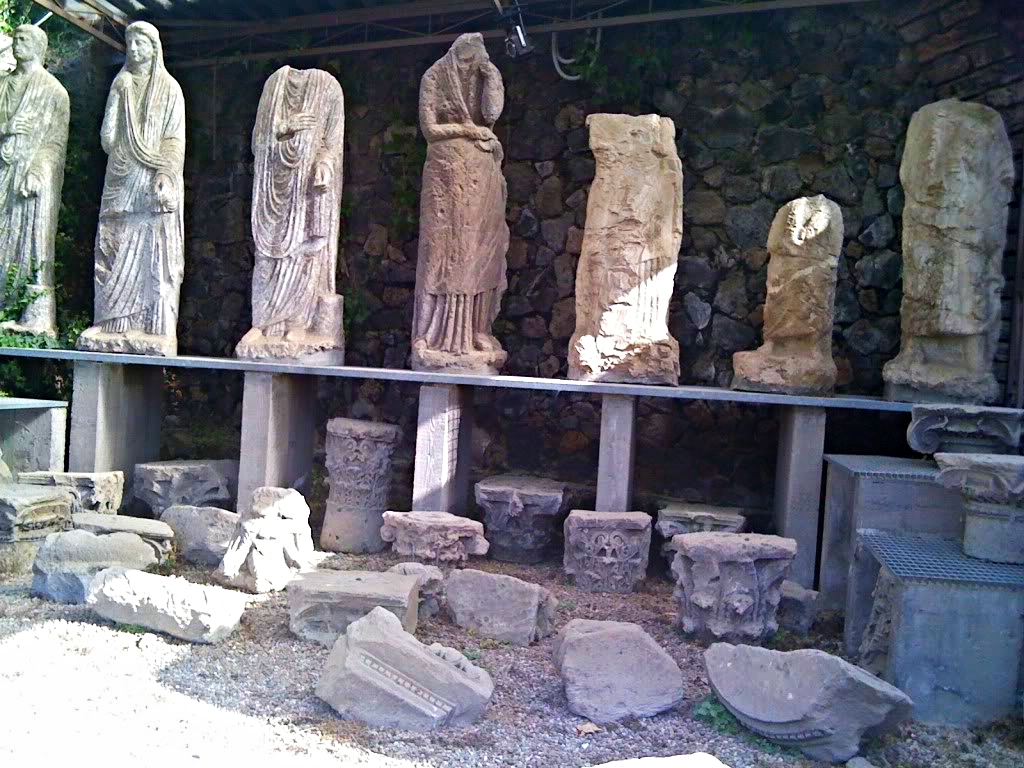
Wealthy residents in Pompeii had often well decorated walls like this one found in the House of The Vettii.Statues found in the streets of PompeiiMany sculptures from Pompeii and Herculaneum were removed from the original site and placed at the Archaeological Museum of Naples, Pompeiian mosaics and frescoes are also preserved in the Museum and date from the 2nd century BC to AD 79.The owners of the House of the Vettii were freedman who become rich merchants.
Thanks to the many discoveries we can have an idea of the life in the Roman houses of Pompeii, constructed generally around two open courts; the atrium; an Italic feature and the colonnaded garden of Greek origin. But not only the architecture and the art in their walls, Pompeii reveals much more in the bodies of people unearthed along with their everyday objects.
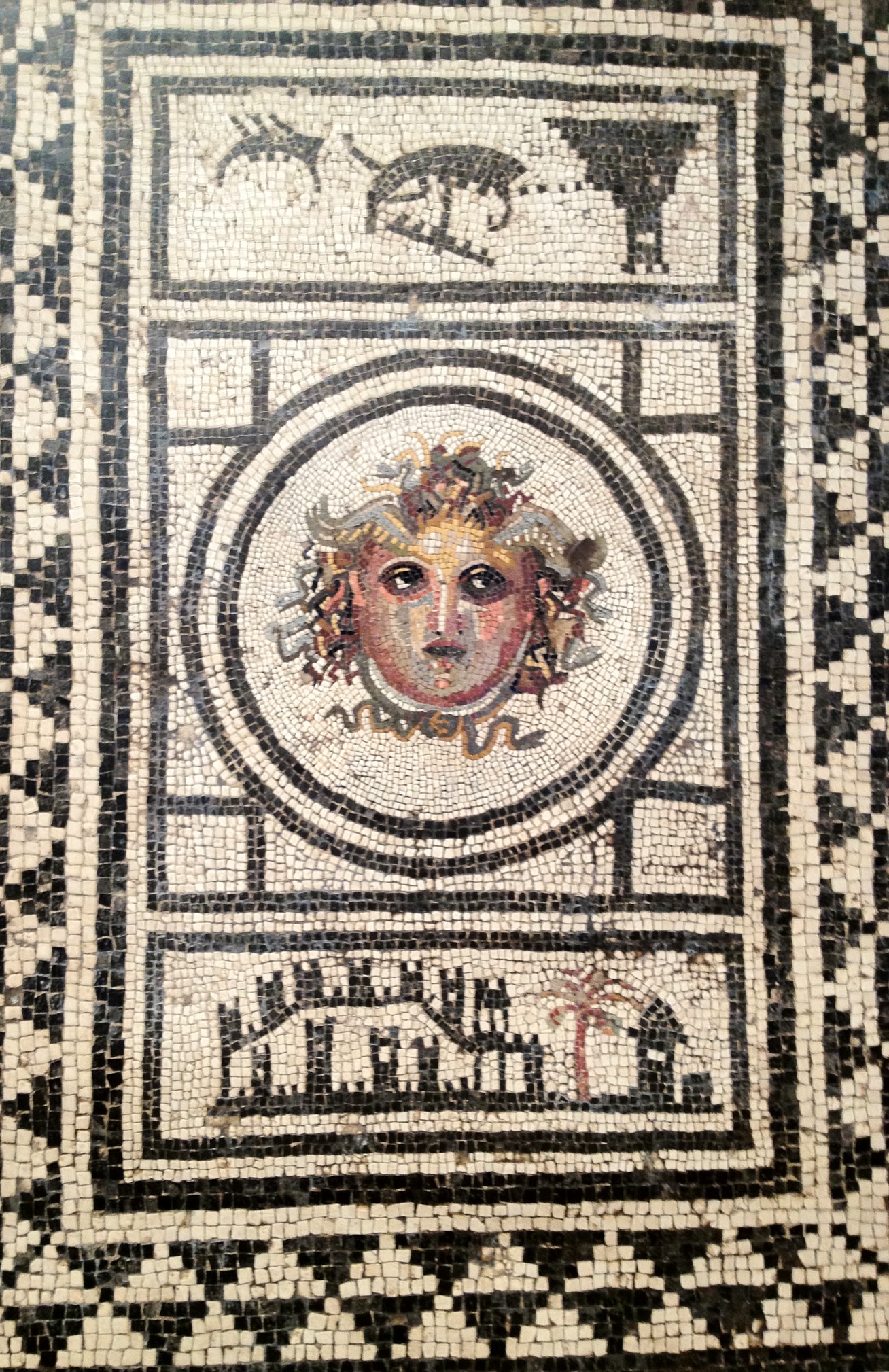
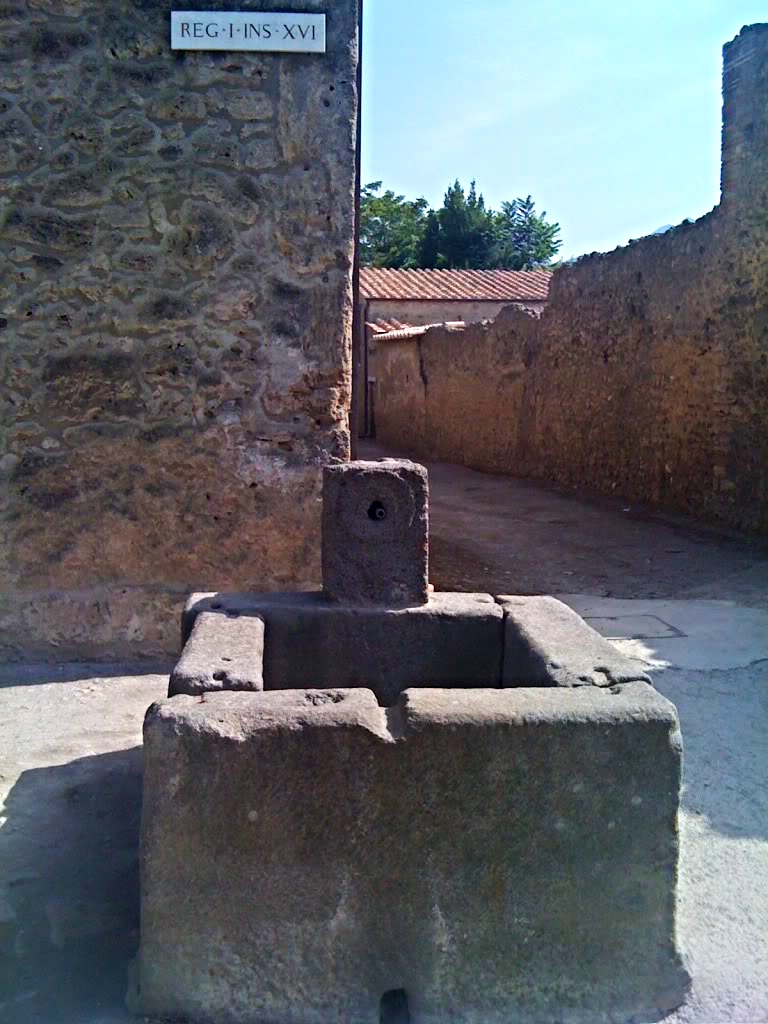
A public fountain in Via dell’Abbondanza. The excavations for this street lined with homes and shops ends just to the left of the Amphitheatre.At the House of the Chaste Lovers is possible to see the fossilized bodies of the mules that used to drive the millstone for grinding wheat.Medusa’s head (Mosaic IX Century BC) House of the Centaur. Pompeii. On display at the Museo Archeologico NazionaleThe Lunapare was the best organized of Pompeii’s many brothels. The walls were decorated with erotic paintings and sculptures symbolizing fertility or describing the many services offered in these houses.
Lacryma Christi and the ancient wine making in the Vesuvius
A Paleo Christian legend says that Christ cried over the Vesuvius and His Holy tears blessed the vineyards giving name to this excellent wine. Other legend distorted from the pagan mythology says that Jesus visited a hermit converting his bad beverage in to amazing wine. Today we can see many frescoes with wine rituals from the houses in Pompeii that have survived the ashes after the eruption of the Volcano.
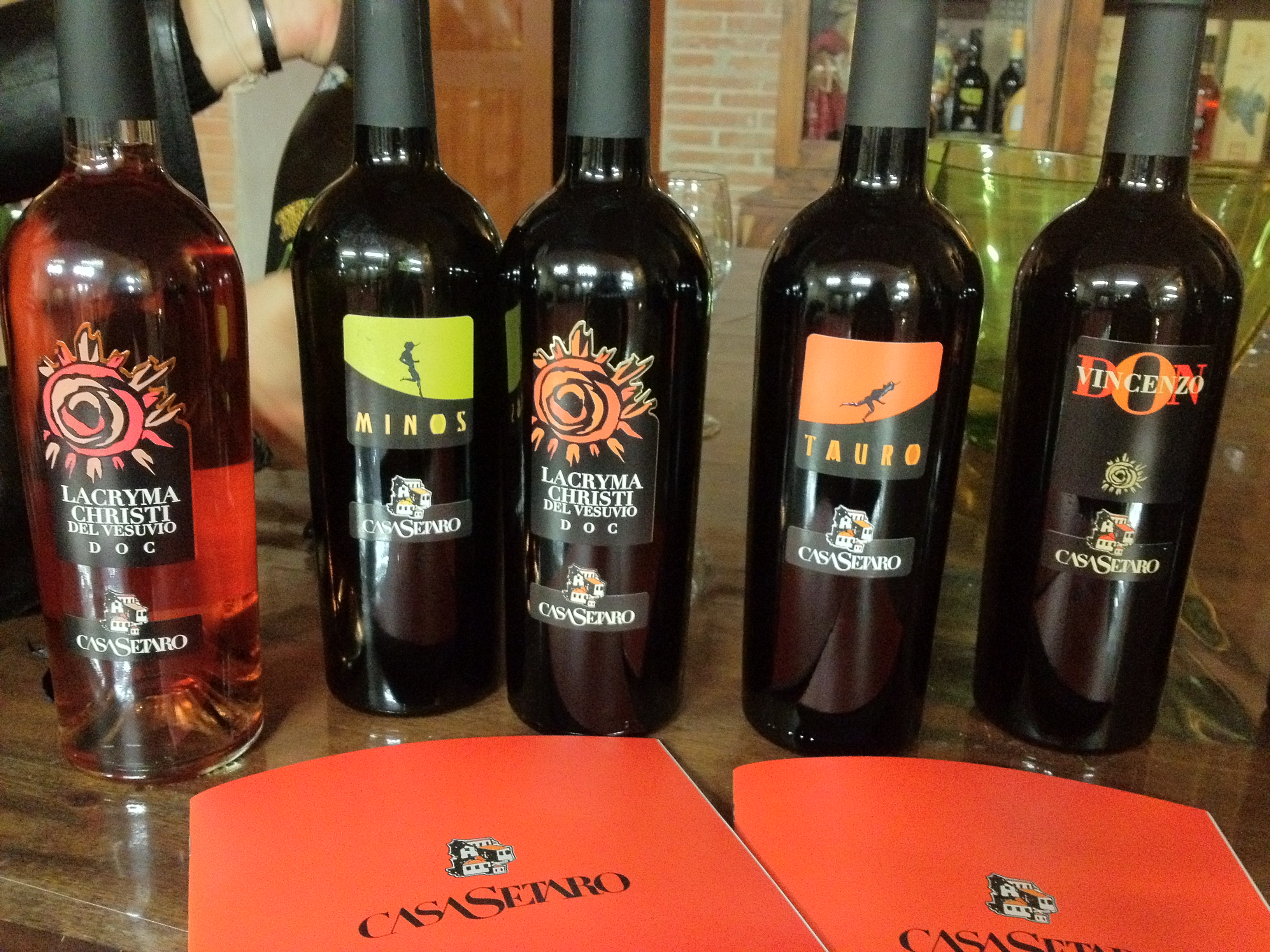
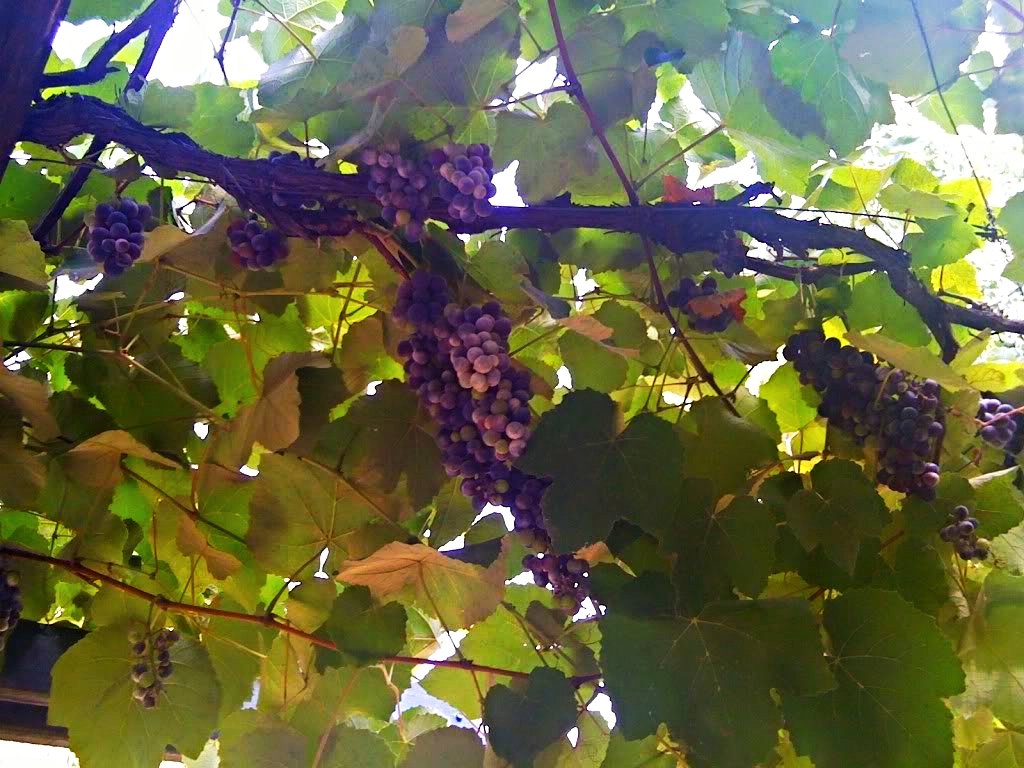
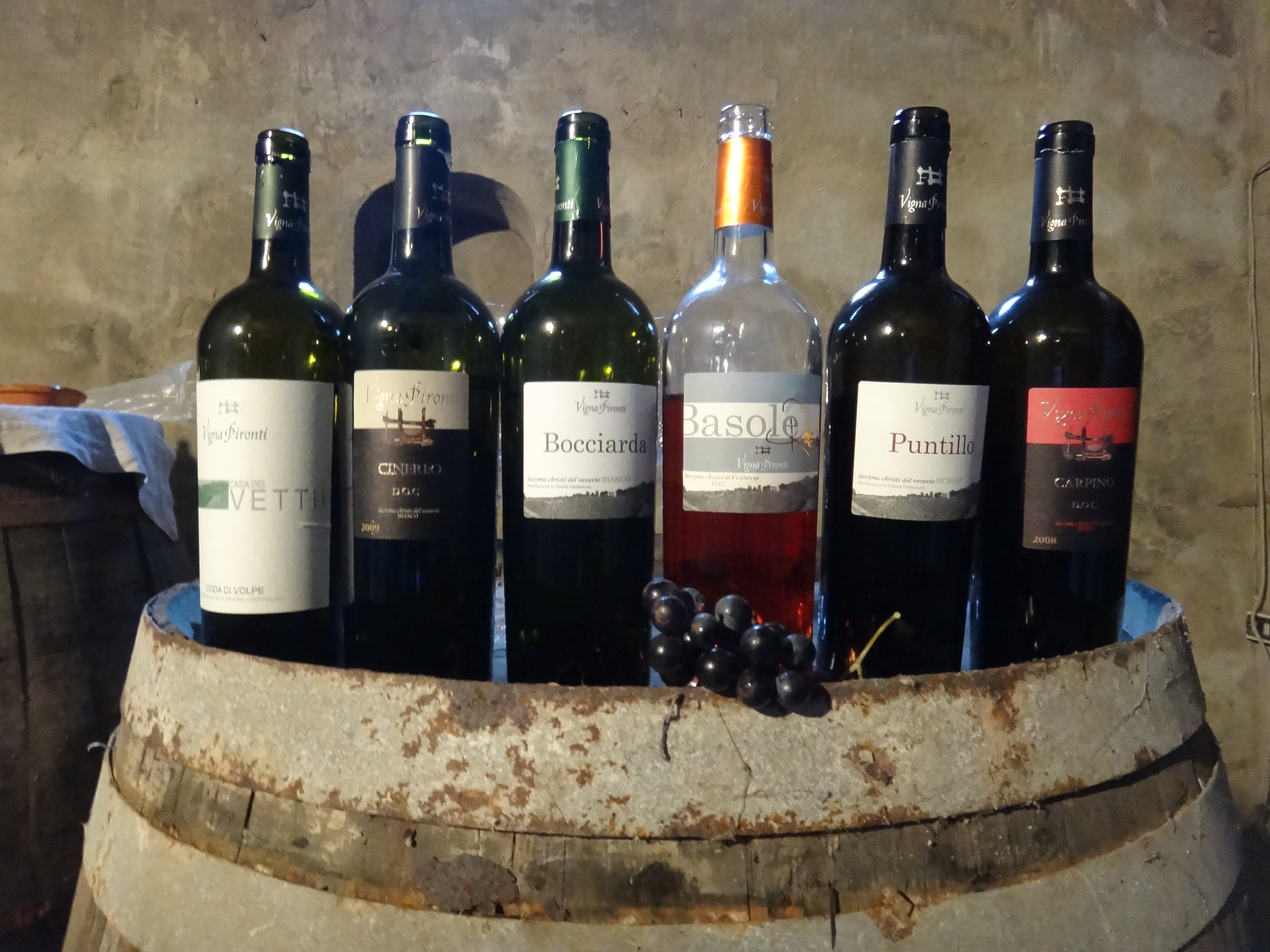
The Wine Offering. Fresco found in Pompeii (VII Century BC) on display at The Archaeological Museum of Naples (Museo Archeologico Nazionale) Wine making and consumption was very important in Greek and Roman cultures, just like drinking water.An example of ancient viniculture techniques in Pompeii 79 AD. Today these vineyards are curated by Mastroberardino wineries producing limited vintages of Greek origin vines.Ancient Caprettone vines facing the now dormant volcano.The land around volcanoes are rich in alkali and phosphorus and is extremely fertile. Lacryma Christi is a great wine produced in the slopes of the Vesuvius.The mineral soil of the Vesuvius where the Piedirosso and Aglianico grapes are used to make the Lacryma Christy reds.In this volcanic land so rich for the agriculture the organic “Pienolo tomatoes” just like the wines; obtained the DOP category (Denomination of Protected Origin) The Pienolo tomatoes are promoted by the Slow Food Commission Vesuvian Chapter and are another example of sustainability in bio-agriculture.Pienolo DOP tomatoes on display on a local Vesuvian trattoria; it shows the way the tomatoes are placed on stalks for their cultivation and after harvest they need to be maintained on the same way for better conservation, this is according to an ancient tradition in Campania.The Vesuvius National Park it’s a protected area where generations of family owned wineries make distinctive wines like Casa Setaro, a small wine producer that I had the pleasure to visit on my trip to the Vesuvius.Aglianico vines in PompeiiVisiting Vigna Pironti with the Italian Association of Sommeliers (AIS) Vesuvian Chapter. Vigna Pironti produces great red and wine varieties of Lacryma Christi, some of them named after the houses in Pompeii.An ancient barn at Vigna Pironti’s fields
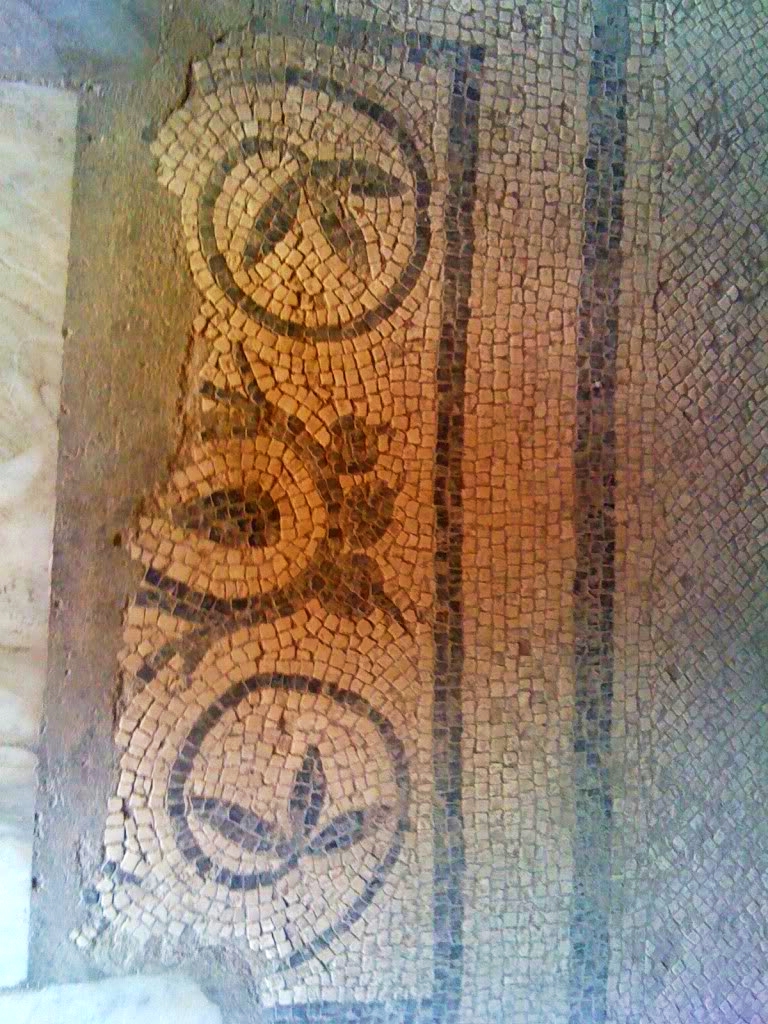
Detail of wall decoration. PompeiiDetail of a mosaic found in Pompeii
Herculaneum
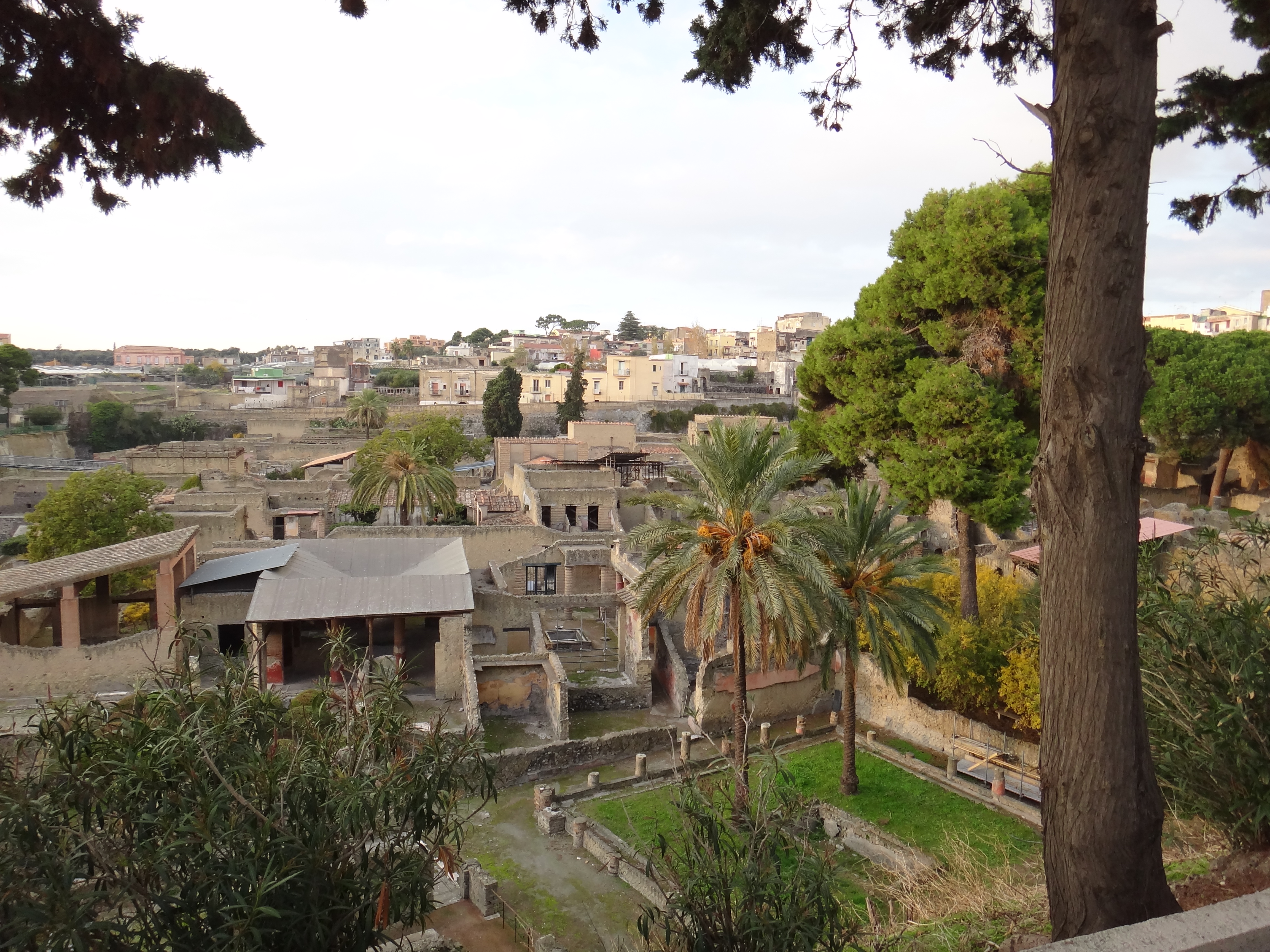
The town’s quiet existence was brought to an abrupt halt in AD 79 during the eruption of the Vesuvius that buried Pompeii with deep lava and mud. The site of ancient Herculaneum is well below the level of the modern town. The area is still being excavated.
In 89 BC the town became part of the Roman Empire, a residential municipium and resort.Excavations in Herculaneum began in the 18th century and uncovered Roman houses built around a rectangular plan. Perhaps the best known is the Villa dei Papiri.The Trellis House, a characteristic example of an inexpensive Roman multi-family dwelling and is made of wood and reed laths in crude tufa and lime masonry.Many thanks to AIS Comune Vesuviane, Vigna Pironti and Casa Setaro Wineries for the fantastic tasting. Cheers!!! Thanks for reading.
(c) 2013 Montserrat Franco. All pictures by me taken with IPhone 4, 4S and Sony Cybershot. You are more than welcome to share them mentioning the font.
One of the greatest trips with breathtaking views are around the Amalfi Coast, the Vespa is one of the preferred transportations when it comes to getting around those narrowed roads
Going to the Amalfi Coast is certainly memorable and a unique experience, the story of Amalfi is linked to the nymph Melphe, the apple of Hercule’s eye and the legend says that he built a city so high on the cliffs to buried her when she died but there is another theory: when Romans lived here in the IV century they named it Melfi.
In recent years Unesco has included the Amalfi Coast in its world Heritage sites
Suspended between the sea, sky ad earth the state road 163, twists and turns in an almost never ending path around the Coast, it has stunning views from every corner. In the 19th century access to the Amalfi coast was very difficult and possible only by the mountains in mules. By the 1900’s the isolation of this part of Italy attracted many travelers. In Edwardian times the coast became a destination of choice by British aristocrats, later actors such as Humphrey Bogart, Greta Garbo and Sophia Loren brought fame to the area.
You can find some of the best well kept secret restaurants of Italy (Michellin starred and local eateries) with amazing menus that are well worth the narrowed roadside trip and the headache.
A view from the Amalfi coastline
Arriving to Nerano
The first stop in the Amalfi coast is the quiet fishermen village of Nerano, part of Massa Lubrense. Below is the town of Marina del Cantone popular for its small seafront and restaurants, here is the Star Michelin Restaurant “La Taverna del Capitano” Fior di zucca ripiena (stuffed zucchini flower) How beautiful is to eat a flower stuffed with fresh ricotta cheese on a bed of summer tomato sauce. Taverna del Capitano; a family tradition from grandfather Alfonso to son Salvatore Caputo who is one of the youngest recognized Chefs of Southern Italy. Pictured here marinated spigola (European sea bass) covered with grilled aubergine, with zucchinis in julienne, cherry tomatoes and a bed of aromatic herb sauce. I paired this dish with Marisa Cuomo’s Amalfi Coast Fior D’Uva wine. Spaghetti alla Nerano, since you are in Nerano you must try this fresh hand made pasta which definitely tastes better with the fantastic view. It is characteristic with the bold flavors of the Provolone del Monaco cheese and slices of zucchini. On my way to Positano I stopped to admire the view View from Le Sirenuse Hotel in Positano, great place for an aperitif at sunset Positano. In 1953 John Steinbeck wrote that “Positano bites deep, it is a dream place that isn’t quite real when you are there and becomes beckoningly real after you have gone” The view from Le Sirenuse Hotel opened in 1951 when the Marchesi Sersale turned their summer house in to a charming Hotel. Mozzarella di Bufala. I stopped at Next Café in Positano to savor this fresh traditional soft cheese eaten only within a day or so of being made, solely from the milk of water buffalo. In the Amalfi coast the Buffalo mozzarella is produced in Tramonti.
On my way to Praiano, Marina di Praia
Before arriving to Amalfi I had to make a stop and contemplate the Fiordo of Furore, fishermen houses clinging on the rocky mountains. Be aware of the many steps you will need to climb from the road to the beach and careful with that 2 way road that fits only one car at a time.
Amalfi
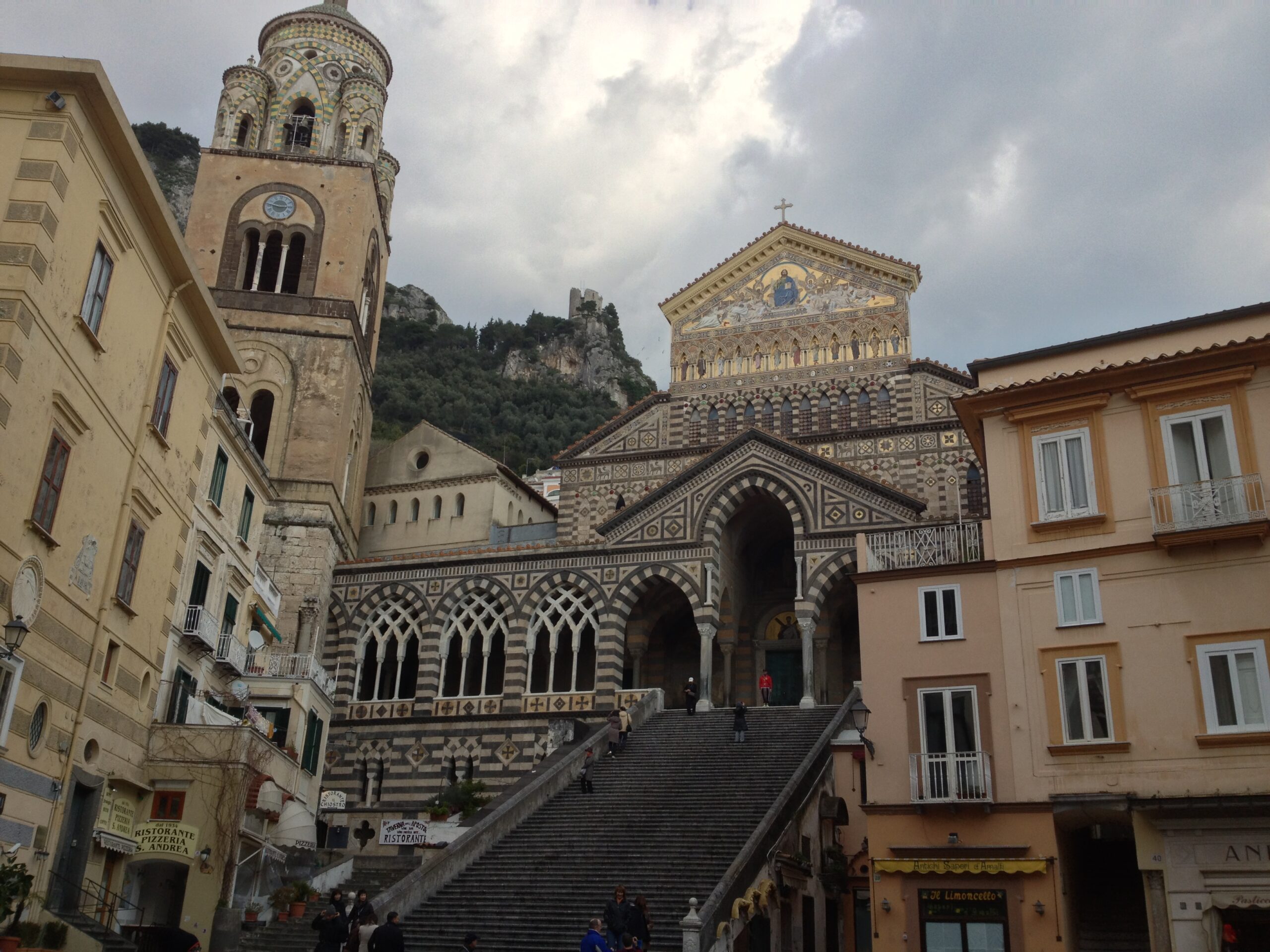
Amalfi has the glamour of the once glorious maritime Republic, the Duomo di St Andrea was founded in the 9th century and rebuilt in Romanesque style in the 11th century. The campanile is is decorated with Arabic like interlaced arches, typical of the Southern Italian Romanesque. A pause at Piazza Duomo before heading to one of my favorite restaurants “Da Gemma” Fresh fish is important part of the Amalfi cuisine, the flavor and freshness of the fish should shine and not be masked with many flavors The food from the Amalfi coast features fish seasoned with lemons and herbs. Pictured here sea bass served at Da Gemma paired with the local white wine Marisa Cuomo’s Costa d’Amalfi Furore is a superb blend of 60% Falanghina grapes and 40% Biancolella “Parmigiana di Melanzane al Cioccolato” (Baked Aubergine with chocolate) is a hybrid made for dessert with eggplant covered in hot chocolate sauce and chips of caramelized fruit, sugar covered almonds and nuts served with vanilla ice cream and a syrup snowflake for garnish Sweet ending once more with macchiato (as I can’t take my espresso is too strong) and a variety of home made cookies and flavored popcorn Ravello was part of the Duchy of Amalfi in the 9th century. Villa Rufolo is one of Ravello’s landmarks with Arabic elements and a mixture of 13th and 14th centuries architectural styles A view from Villa Rufolo’s amphitheater, the Ravello’s annual Music Festival takes place here in July. Also in this place is where Richard Wagner got his inspiration to write his Opera “Parsifal”
Maiori, Minori and Cetara
the next towns along the coastline are Maiori, Minori and Cetara where the ancient Maritime Republic arsenals were situated, dates back to Roman times. Stopping at Sal Di Riso’s bakery is a must while in Minori, Salvatore di Riso was the first Pastry Chef from Southern Italy to be admitted in to the prestigious Italian Master Pastry Chef Academy. His renowned cakes and desserts are world famous, Pope John Paul II approved.
Vietri sul Mare
Arriving to Vietri sul Mare will lead you to some traditional shops where you can get the best deals on majolica ceramic that made so popular this part of the Coast, these hand painted utensils have been made here since the 1400 After my last stop at Vietri sul Mare I am ready to head back to Naples.
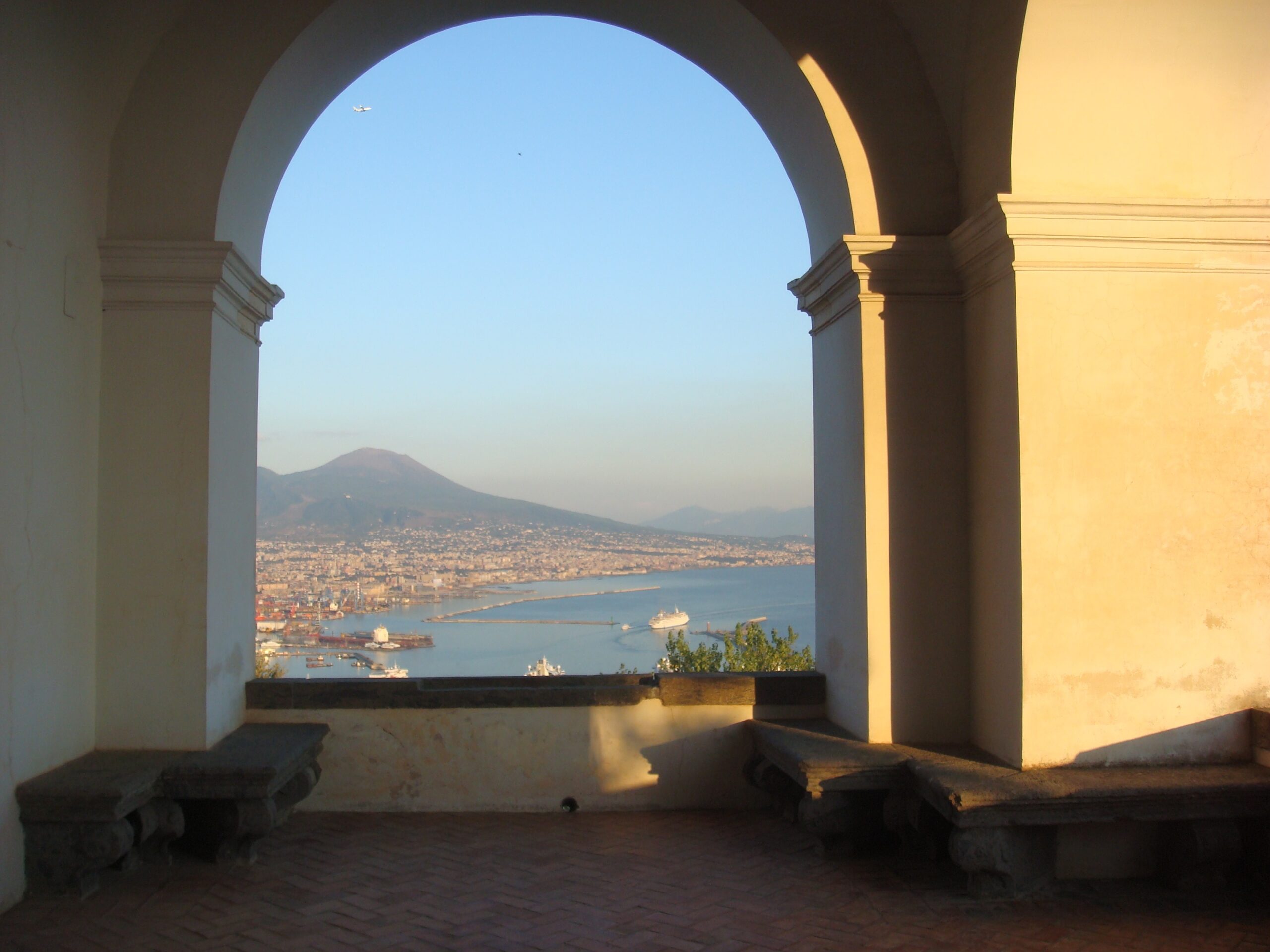
A room with a view from The cloisters of San Martino in Naples
Continuing with our trips around Naples at the top of the hill is one of the most important monuments in the city, the Certosa di San Martino (San Martino’s charterhouse). You can reach this part of town from Chiaia via de funiculars or by Vespa which is the best way of transportation in Naples due to traffic, the narrowed streets and of course…the parking, besides getting around on a Vespa can only make your trip in Italian cities even more authentic.
After the unification of Italy the San Martino cloisters were drastically restructured. Originally built in the XIV century, part of the complex was turned in to a Museum. From there the dramatic views of the Gulf of Naples and the Vesuvius.In 1325 the construction of the cloister begun under the rules of Charles of Anjou. The Monastery was deconsecrated in 1806 and since 1866 became a Museum displaying the greatest pieces of Neapolitan art and historyCarthusian monks lived in the Monastery designed by Giovanni Antonio Dosio at the end of the XVI century. The original look dramatically changed over the years with Baroque and Mannerist rebuilding.Inside the Museum of San Martino there are permanent and itinerant exhibitions like the Bourbon Royal Boat from an exhibit in collaboration with the Naval Museum of Naples.From the Aragonese to the Bourbon dynasties the Museum of San Martino presents important pieces dedicated to the Kingdom of Naples.The Nativity scenes (Presepe) became a form of art and a very important part of the Neapolitan tradition in the 19th century. This part of the Museum dedicates an entire section to The Presepe.Another scene of the Nativity I found on display at The Grand Hotel Vesuvio in Naples during the presentation of the “Duemilla Vini” guide to the wines in Italy. Note the attention to the details and how simple acts of life take active part in the Presepe NapoletanoEven Pulcinella is part of the Presepe (Nativity) Pulcinella is a classical character from the “commedia dell’arte” and is a tradition in the Neapolitan puppetry. It shows how characters from different periods of time are mixed up, note the hanging baccala (cod fish) the provolone del Monaco cheese, the ugly tomatoes on a basket.
Pause for Coffee
In Naples coffee is a ceremony, the Neapolitans love their espressos very strong and you can have them everywhere, plenty of historic coffee shops and pasticcerias (cake shops) offering a wide range of coffee brands, many of them born in Naples such as Pasalacqua and Kenon. In fact the moka pot (Napoletana) is a Neapolitan invention dated back from the late 19th centuries.
Coffee time in Naples is anytime, I take mine macchiato (with a dash of foam) if you are watching the line ask for “dietor” a low calorie non aspartame sweetener because they will assume you will drink your coffee with sugar.coffee break and newspaper readings in Piazza Vanvitelli at the Vomero quarterScaturchio, one of the traditional coffee and cake shops in the Vomero quarter right next to the Funiculare station.Café Biandini , as you can see most coffee shops in Italy sell more than coffee, they are also a bar, a bakery and some offer a lunch menu and aperitif buffet from 5 pm. I love the elegant uniforms their trained baristas wear.
Italians know if someone is not Italian when they order cappuccinos during the day, afternoon or after a meal. Cappuccinos are meant to be drunk only with breakfast, with those delicious “cornettis” (pastries). After lunch or diner they drink their espressos. Coffee is a way of expression and is a form of art. Enjoy an espresso before or after your Museum visit. See you tomorrow!!!
A classic Italian breakfast: cappuccino, orange juice and cornettis, the pastries can be plain or filled with nutella, marmalade or chocolate.
(c) 2013 Montserrat Franco. All pictures by me taken with IPhone 4S and Sony Cybershot.
The picturesque Borgo Marinaro quarter built for the fishermen of Santa Lucia
Italy keeps inspiring most of us over and over, it is everything from the Arts to the Music, from the Architecture to the Fashion, from the History to the wine and food.
Naples is one of the cities that fascinates me with incredible characteristics and the magnificent views of the Vesuvius, wherever your position is, you will be able to have that postcard illusion. Here you need to take your time, to eat and drink like a local, don’t bring your watch, time here seems like it never goes by, it is the perfect way to feel that “La Dolce Vita” style.
Borgo Marinaro, Marecchiaro and Santa Lucia
One of the romantic walks around Naples is by the Lungomare in the Santa Lucia neighborhood, with plenty of restaurants to choose from surrounded by colorful sun kissed boats lining around the “Borgo Marinaro” (the fishermen’s quarter). Naples inspired also the most romantic Italian songs (canzonettas) and it’s here in this quarter where they were born. In Naples everything is about love, food and the simple life, just experience it for yourself.
The Lungomare was frequented by Sophia Loren and Salvador Dali and you can still have the same taste and get your inner diva and glamour do the rest, just put on some huge sunglasses with a little black dress and enjoy a glass of Falanghina wine which is the perfect pair with any of the local seafood dishes.
A view from the Lungomare where you can find plenty of restaurants, one better than the otherCastel dell”Ovo, the oldest castle in Naples dated back to Roman times. In the 5th century it was a Monastery, many additions and changes were added through times.
The legend around the Castel dell”Ovo and the particular name first appears in the XIV century and it talks about a magic egg that was hidden in the castle. Today the castle with his particular tufa walls is home of art exhibitions and retrospectives that can be visited by the public.
Stepping for some water at the fountain in the Castel dell’Ovo, ballerina flats are recommended for long walks, I always keep a pair in my handbag.The Immacolatella Fountain built in the XVII centuryOne great place to eat in Marecchiaro is Trattoria Da Cicciotto with the splendid view of the Vesuvius and a glass of FalanghinaAt Marecchiaro don’t forget to follow the waiter’s advice and take the antipasti della casa (house appetizers) they will keep bringing them before your main course; experience the flavors and simplicity of the fresh dishes by the sea.One of the appetizers served at Da Cicciotto is this amazing octopus on fresh squeezed pomodorini (cherry tomatoes) and pieces of home made toasted bread. Buon appetito!!!Walking by the Port in Santa Lucia with hand crafted sandals made in Capri and getting some of that “O’ Sole Mio” feeling.Octopus salad seasoned with just extra virgin olive oil, lemons from Sorrento and parsley. Experience the taste of the Gulf of Naples, stop by “Anima e Cozze” one of the many Restaurants of the Lungomare.Grilled Calamari seasoned with just lemon juice and olive oil at Anima e Cozze restaurant.After all these appetizers you need to get some pasta, remember why Sophia Loren said that everything she was she owes to spaghetti, so forget about diets and eat this great “spaghetti alle vongole” a must have while in Naples and one of the traditional dishes of the “Parthenopean cuisine” most restaurants in Naples serve this dish just like it suppose to be “al dente”. Another great restaurant in the Borgo Marinaro is “Oste Pazzo” where I had this home made pasta.
After lunch at the Borgo Marinaro or Santa Lucia a short walk to the chic Chiaia neighborhood it’s a must for the designers stores and the majestic architecture.
Chiaia
Walking with stilettos can be difficult in Naples because of the cobbler stone streets but if you want to travel in style and walk in style everything has a price. Italian women know how to master this game.
Naples can be a city with many contradictions, narrowed claustrophobic streets full of Vespas and chaotic traffic or wide avenues with the most glamorous shops and ladies covered in fur and designer handbags. While in Chiaia experience both sides, take a look at the Fascist era architecture and monuments and don’t forget it’s time for an aperitif, our version of Happy Hour, Italian Style, somewhere around 5 to 7 pm. Chiaia gives many options when it comes to aperitif, the difference is that with one drink most bars offer a full buffet of appetizers and nibbles, all self service but with moderation, remember soon will be time for dinner.
One of the trendy barettis (little bars) in Chiaia it is definitely where the nightlife is in Naples. You can always meet locals and friends at the “aperitivo” time. Try an “Aperol spritz” or a “Prosecco” with some ready served appetizers before heading out for dinner at one of the many great restaurants in town.The Chiaia quarter during Christmas time, shopping can be also a challenge in Naples, remember that everything closes from noon to 3 or 4 pm and then reopens until 7 o 8 pm.Chiaia is also full of vintage stores, art galleries and antique shops.The Georgio Armani store in Chiaia showing some of the fantastic designs by Armani for the red carpet.
Well, I think has been a long day and you need some rest because tomorrow you will be visiting more wonderful monuments, eating amazing food and tasting excellent wines, what a wonderful life!!!
(c) 2013 Montserrat Franco. All pictures by me taken with an IPhone 4, 4S and Sony Cybershot