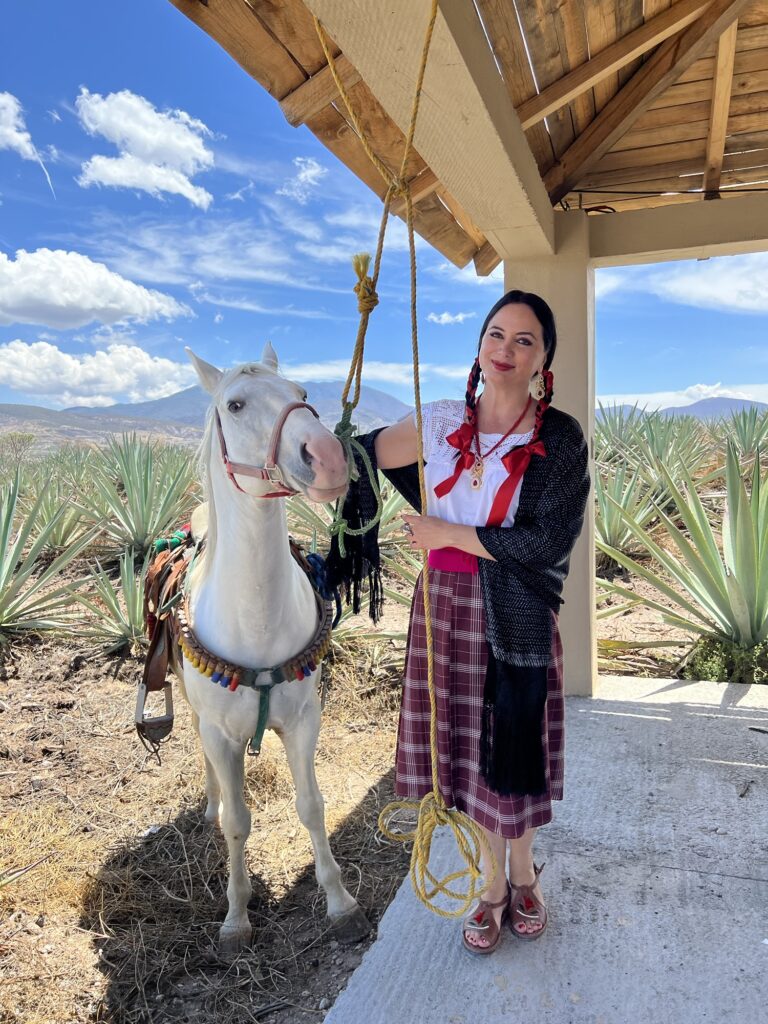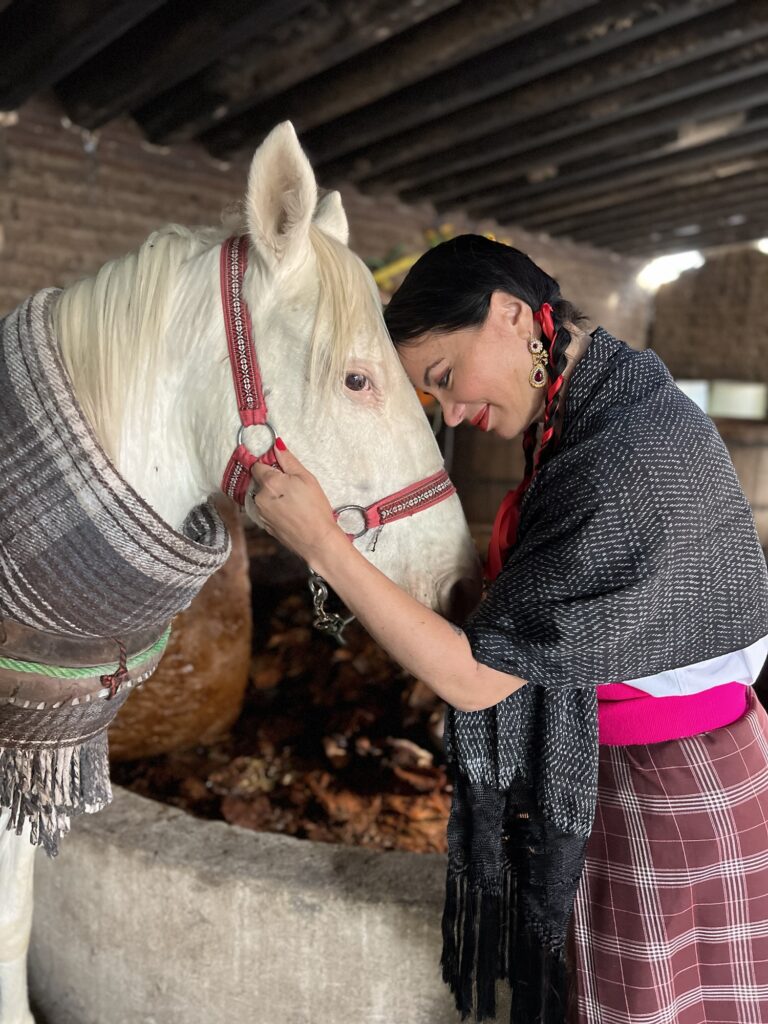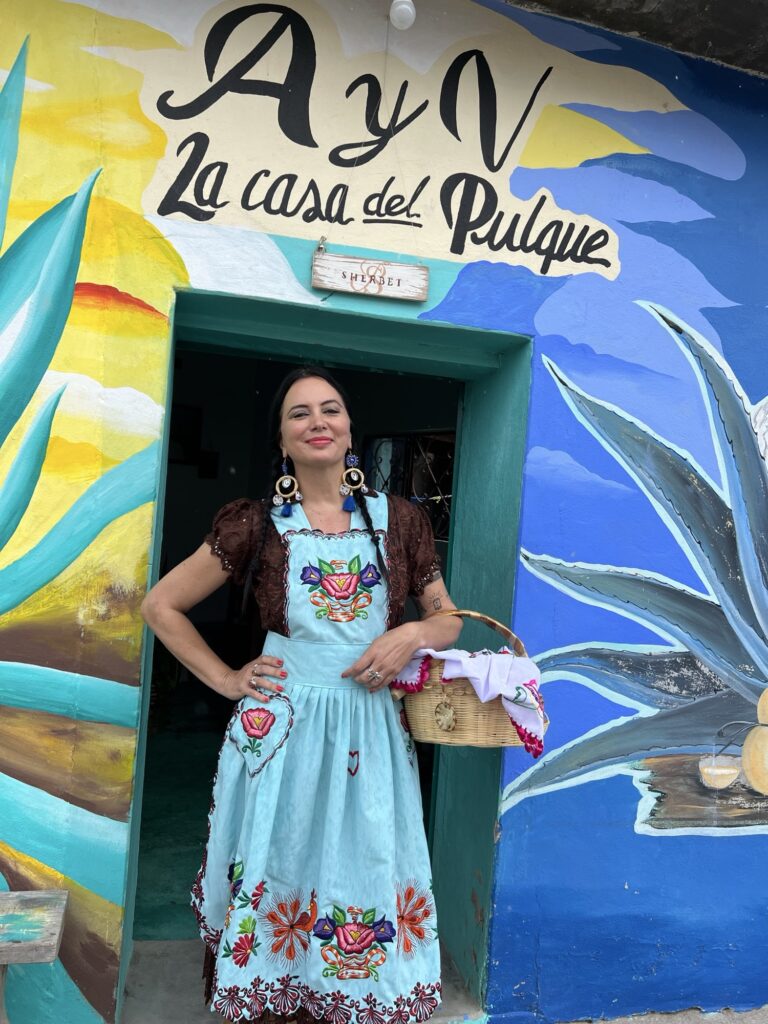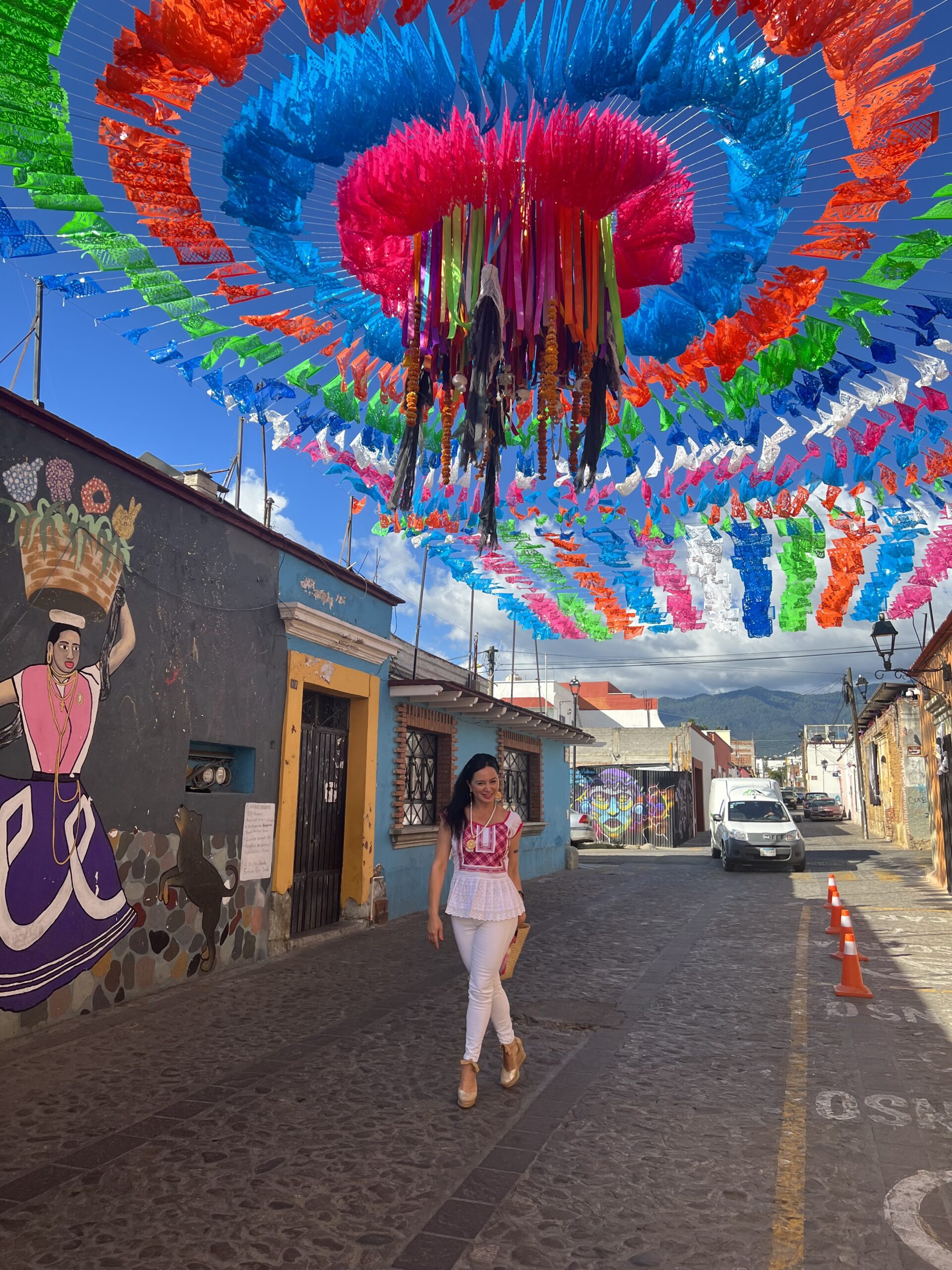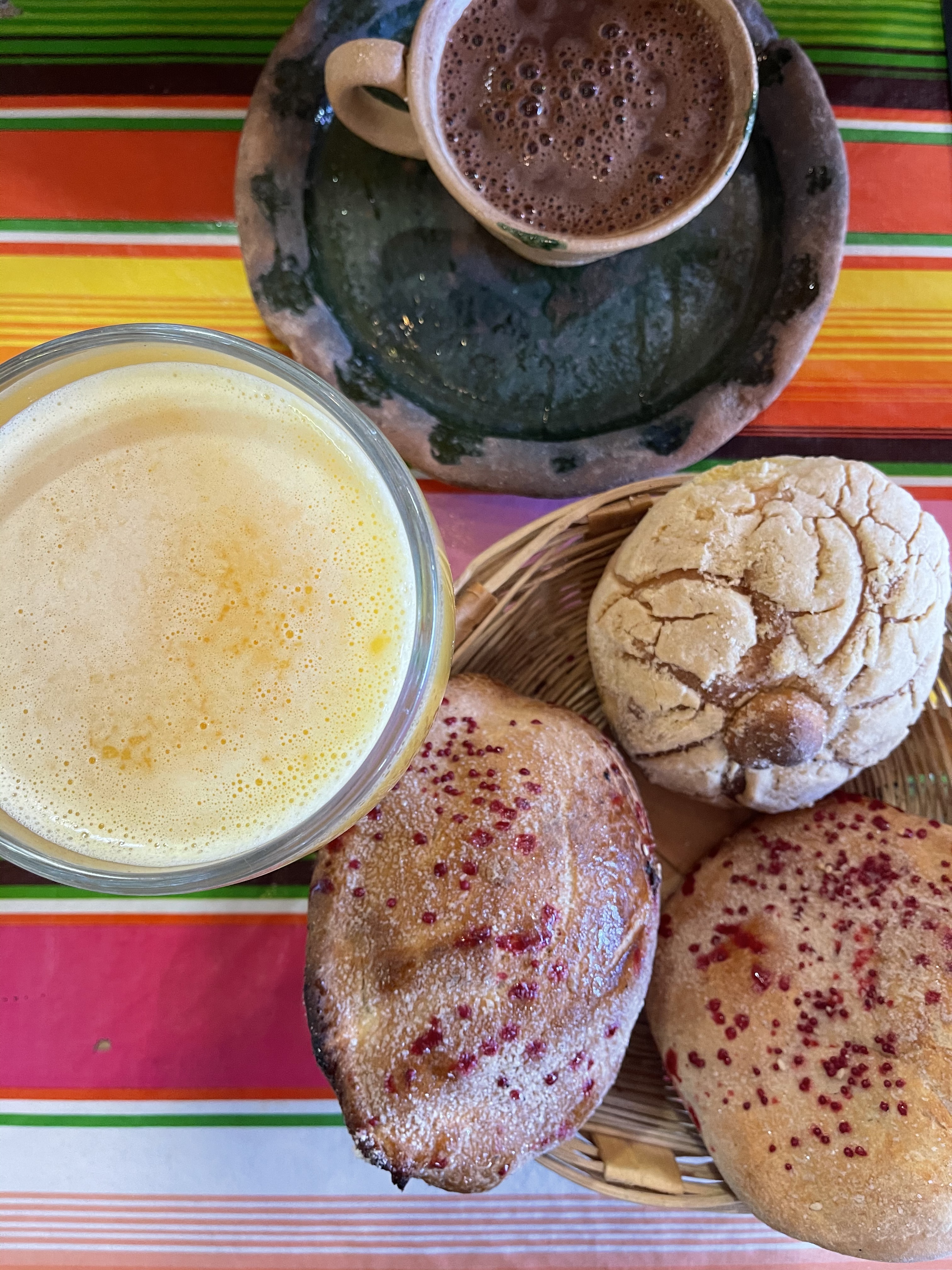
Un viaje al país de las nubes, entre bandas filarmónicas, compositores, fiestas y mezcal
Adentrarse en la sierra Norte de Oaxaca es vivir una experiencia cultural única, más aún si es posible visitar sus pueblos mancomunados y villas, durante sus festividades religiosas, muy arraigadas a la vida comunitaria, así como el desfile de sus bandas filarmónicas, en audiciones que nada tienen que envidiar en nivel compositivo e interpretativo a las mejores orquestas Europeas.
En la cosmovisión Zapoteca de la Sierra “Bene Xhon” se reconoce su fuerte sentido de comunidad, su riqueza lingüística, su tradición musical y su profunda conexión con las montañas de la Sierra Norte de Oaxaca.
Lee las poesías de Montserrat Franco traducidas al Zapoteco Serrano (Bene Xhon) por Carlos Garuz.
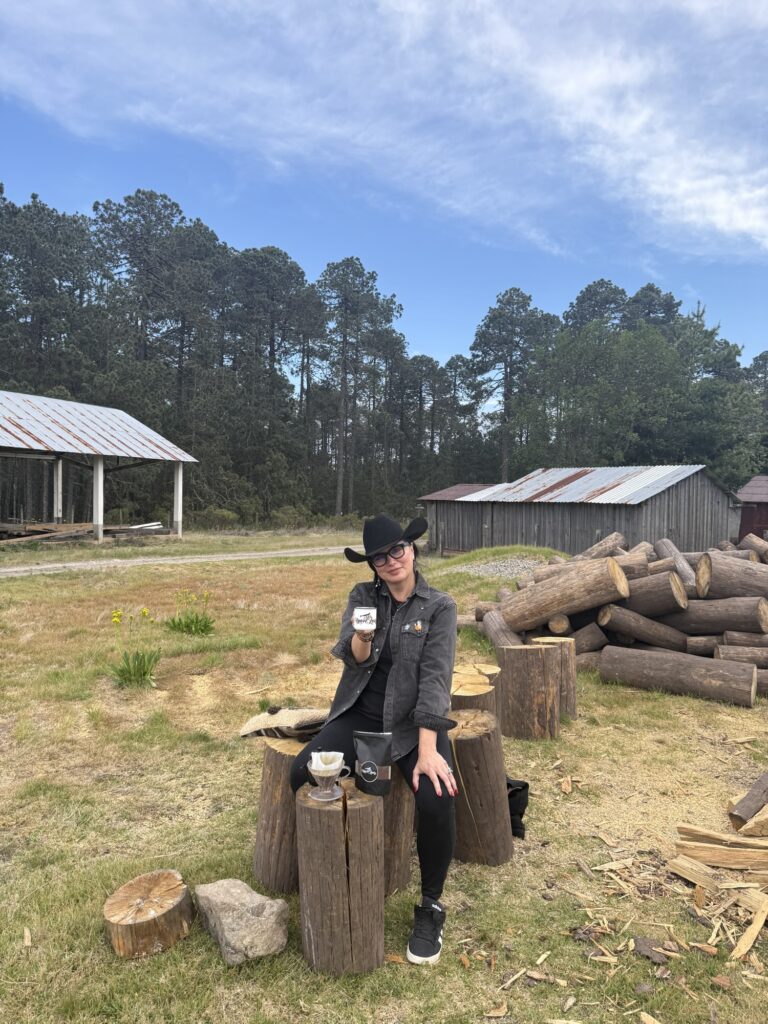
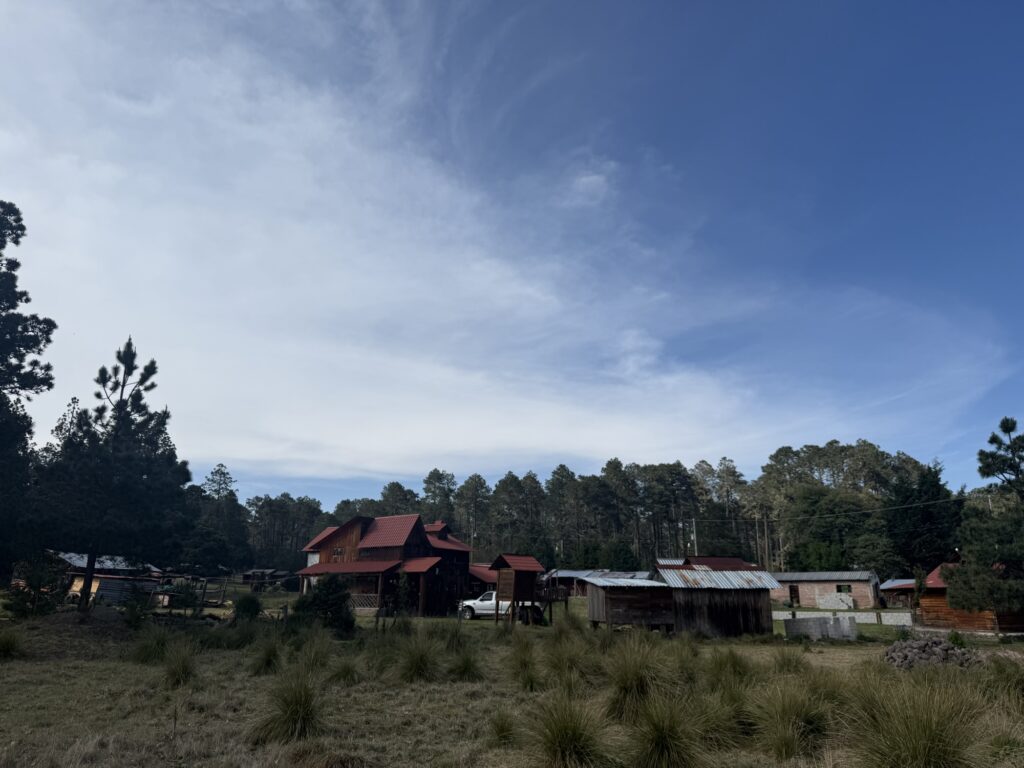
Y así entre profundos bosques de pino y encino, y sinuosos caminos llegando alrededor de 3,200 metros sobre el nivel del mar, empezamos la ruta desde las Cuajimoloyas.
San Antonio Cuajimoloyas:
Según la tradición local, el nombre Cuajimoloyas significa “mole cuajado en ollas”. Los primeros pobladores prepararon mole para las festividades de Día de Muertos, pero el intenso frío de la montaña hizo que se cuajara, dando origen al nombre del pueblo.
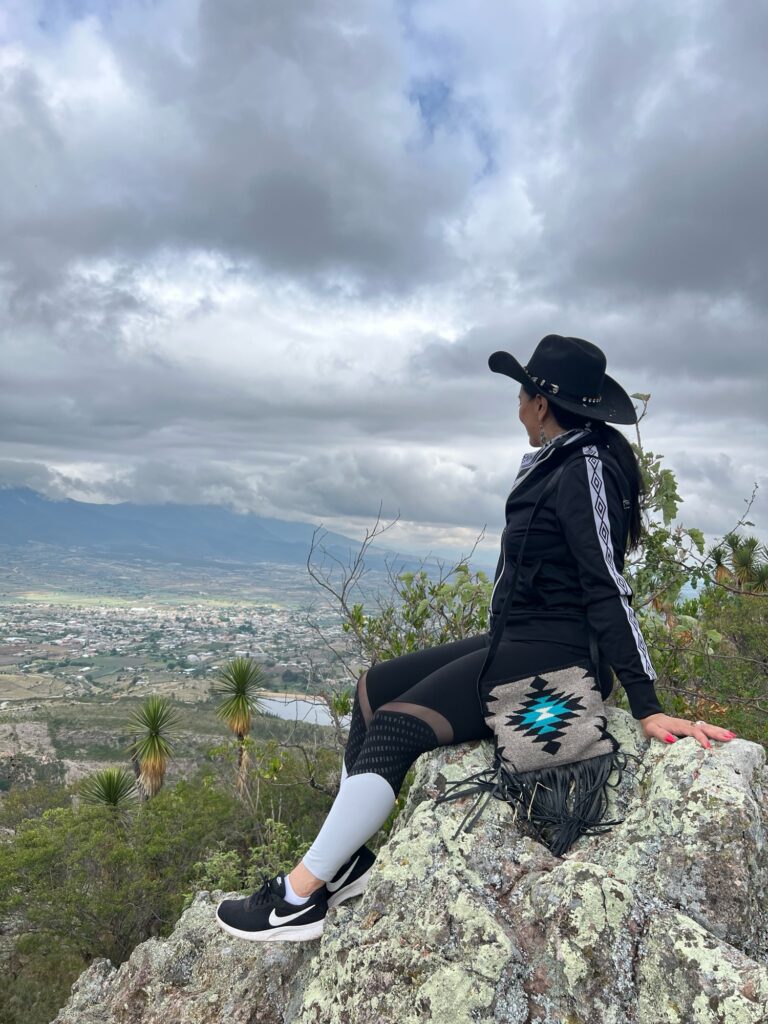
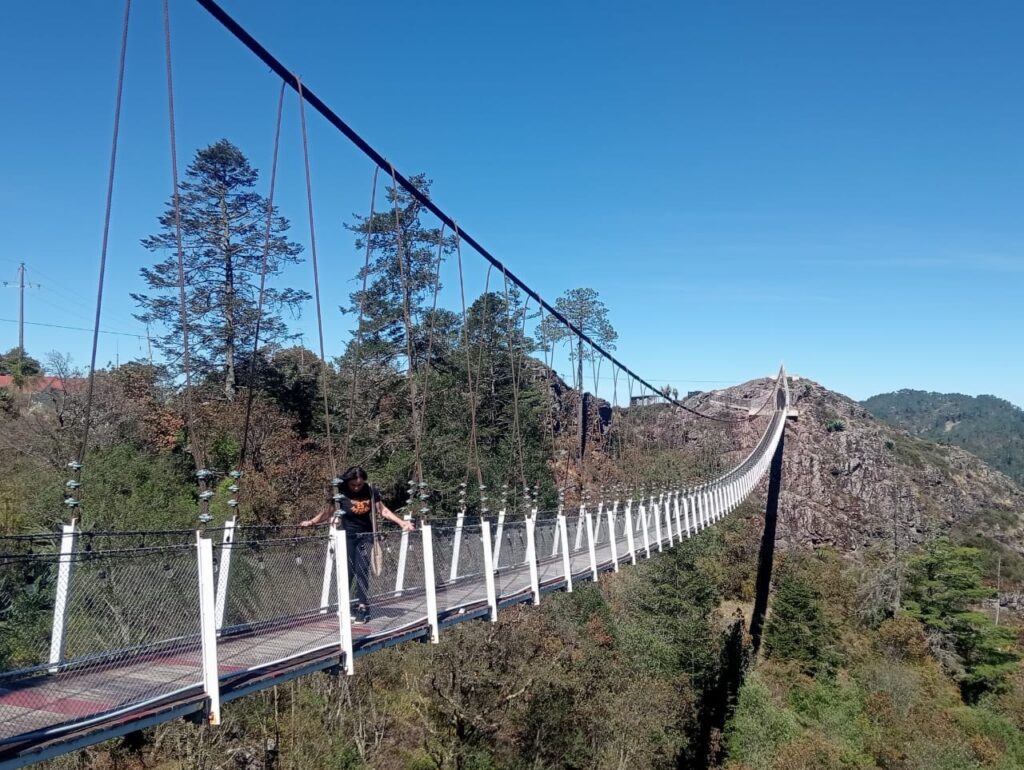
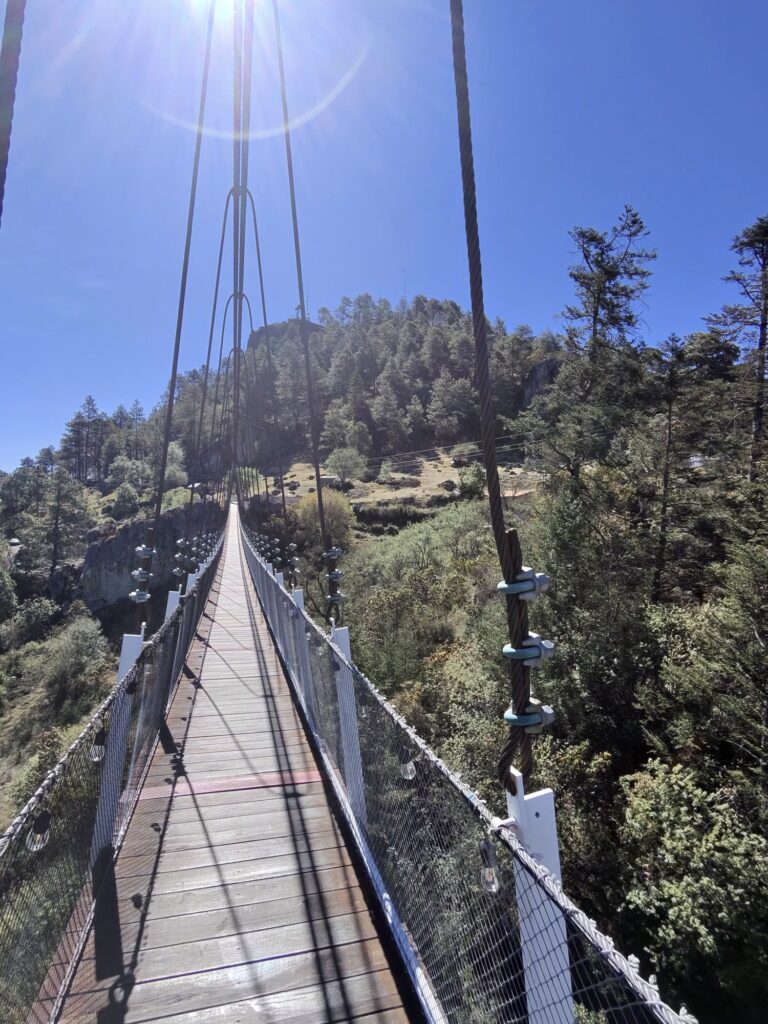
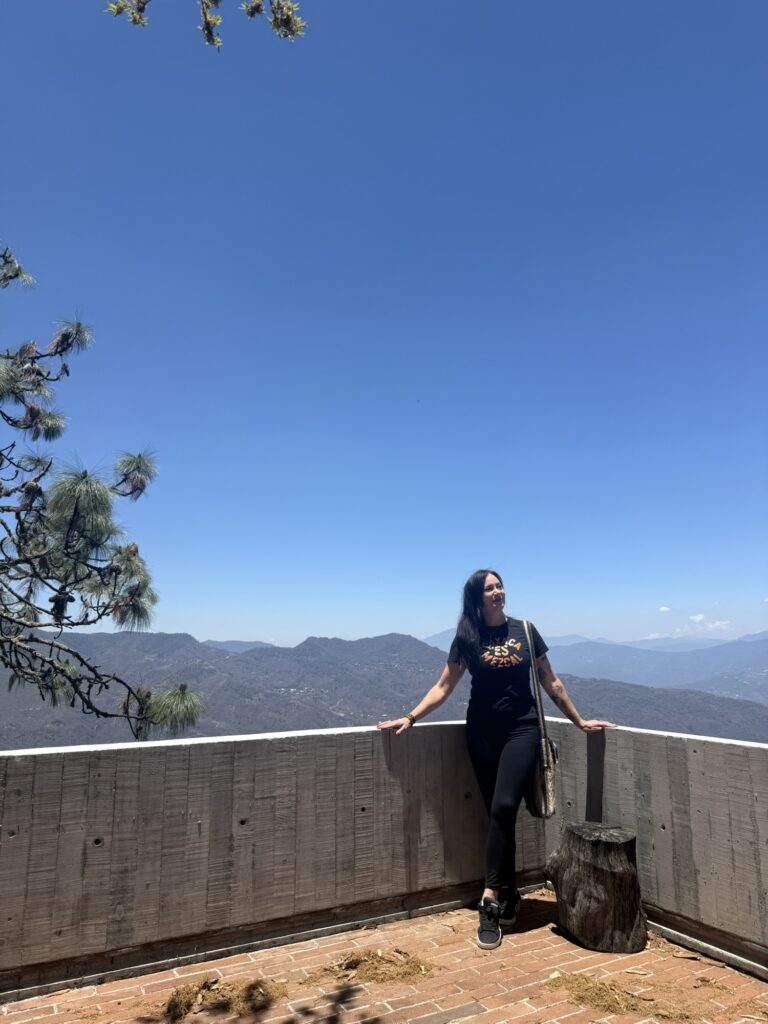
Entre sus atractivos principales, se encuentra el complejo turístico comunitario y El mirador Yaa-Cuetzi cuyo nombre en zapoteco suele interpretarse como “cerro de observación” o “lugar para mirar a lo lejos”.
El puente colgante tiene aproximadamente 137 metros de longitud y está suspendido sobre una cañada rodeada de bosques de pino y encino.
Cabe destacar también la inmensa riqueza micológica de los Cuajimoloyas, la cual está ligada al cuidado del bosque. Para sus habitantes, los hongos son esenciales para la salud de los ecosistemas, ya que ayudan a descomponer materia orgánica y mantienen el equilibrio natural. Por ello, la recolección suele realizarse de manera responsable para proteger la biodiversidad.
Con más de un centenar de especies, estos hongos pueden tener usos gastronómicos y medicinales, muchas especies aún por clasificar.

San Pedro Cajonos
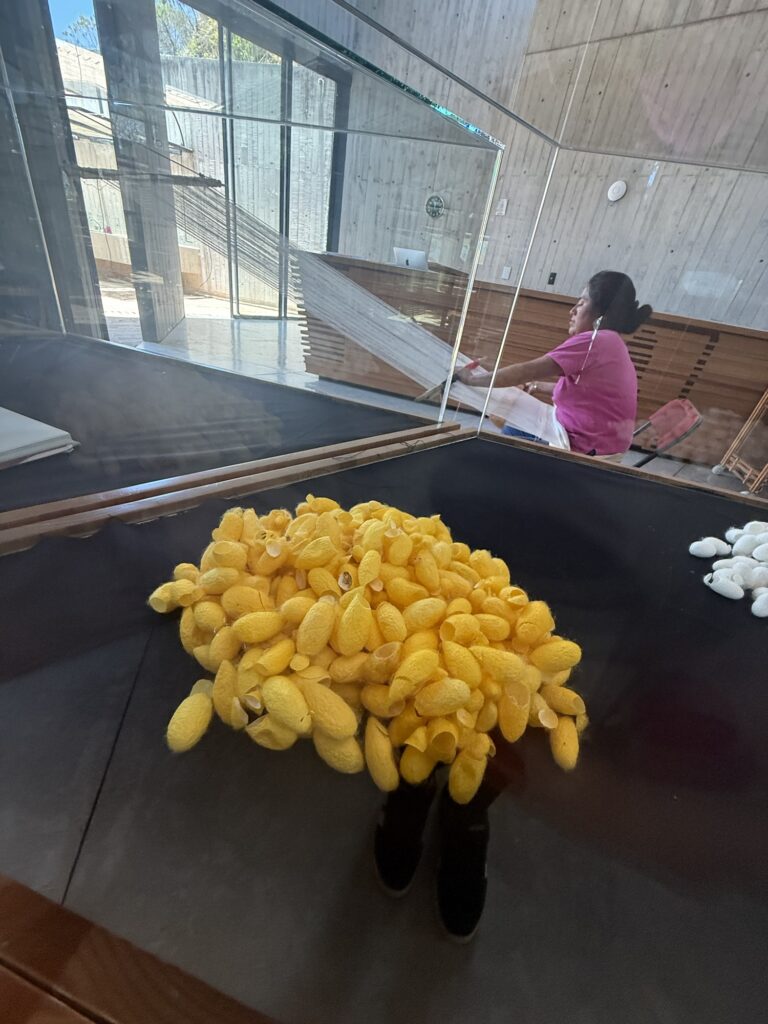
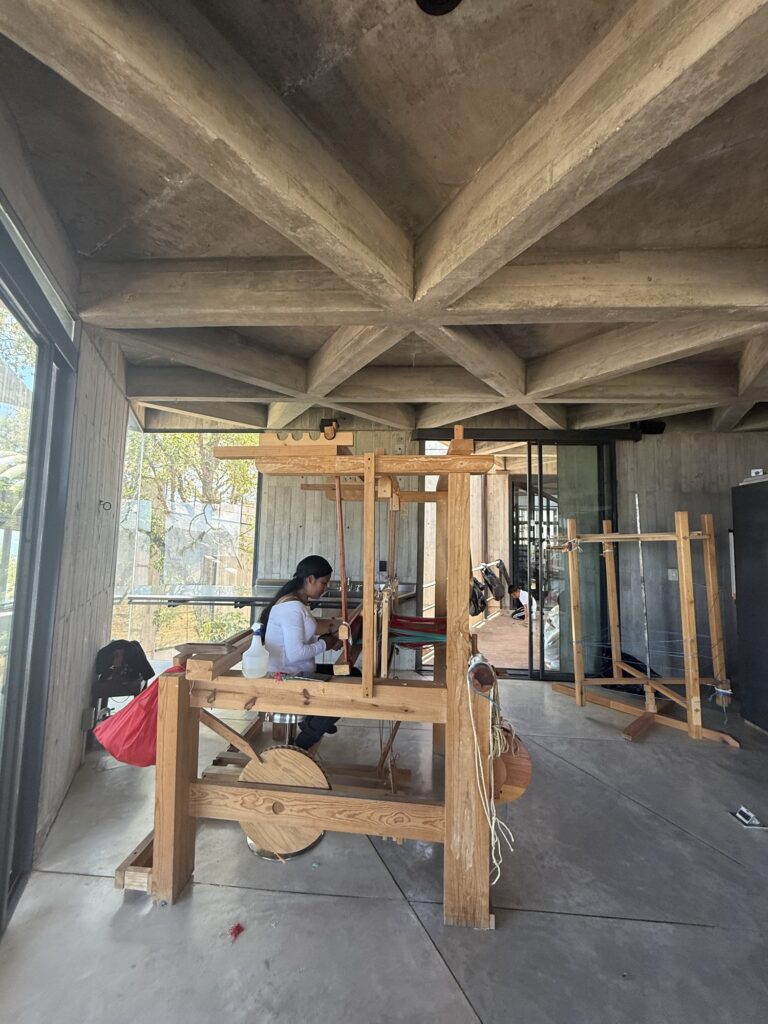
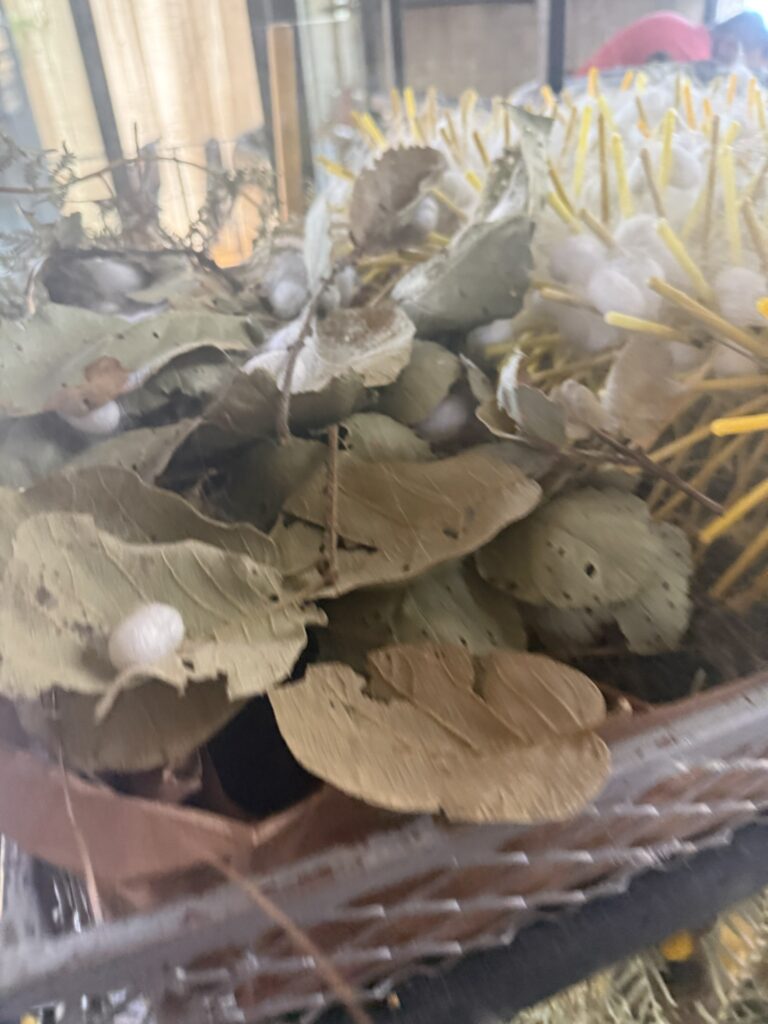
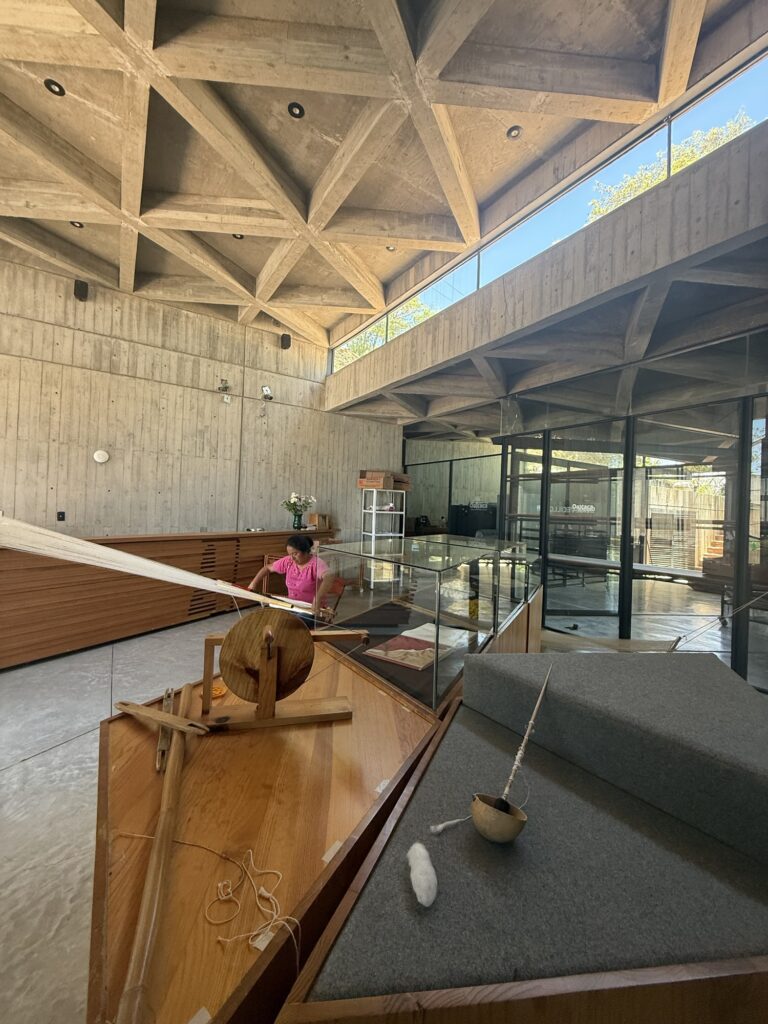
Uno de los atractivos imperdibles en San Pedro Cajonos es El Santuario del Gusano de Seda, uno de los proyectos culturales y artesanales más singulares de Oaxaca. Fue creado para preservar la antigua tradición de la “sericultura”; la crianza del gusano de seda y la producción artesanal de hilo y textiles.
La “Seda de Cajonos”
La importancia cultural de esta tradición es tan grande que en 2022 el gobierno Mexicano reconoció oficialmente la Indicación Geográfica “Seda de Cajonos”, similar a una denominación de origen.
Esta tradición se remonta al siglo XVI cuando los Dominicos introducen el gusano de seda “Bombyx mori”, los árboles de morera (su alimento), y técnicas Europeas de producción de seda.
Con el tiempo, los pueblos zapotecos de la Sierra Norte adaptaron esas técnicas a sus propias tradiciones textiles y desarrollaron una forma única de trabajar la seda.
El proyecto estuvo a cargo del despacho oaxaqueño LAMZ Arquitectura.

San Francisco Cajonos
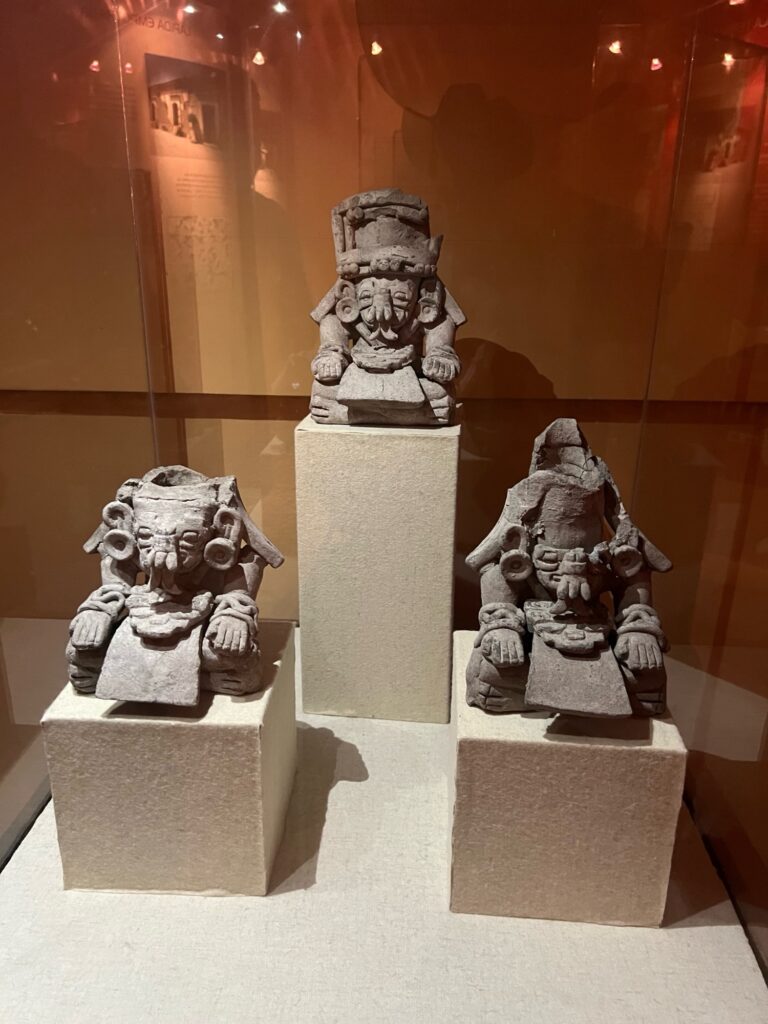
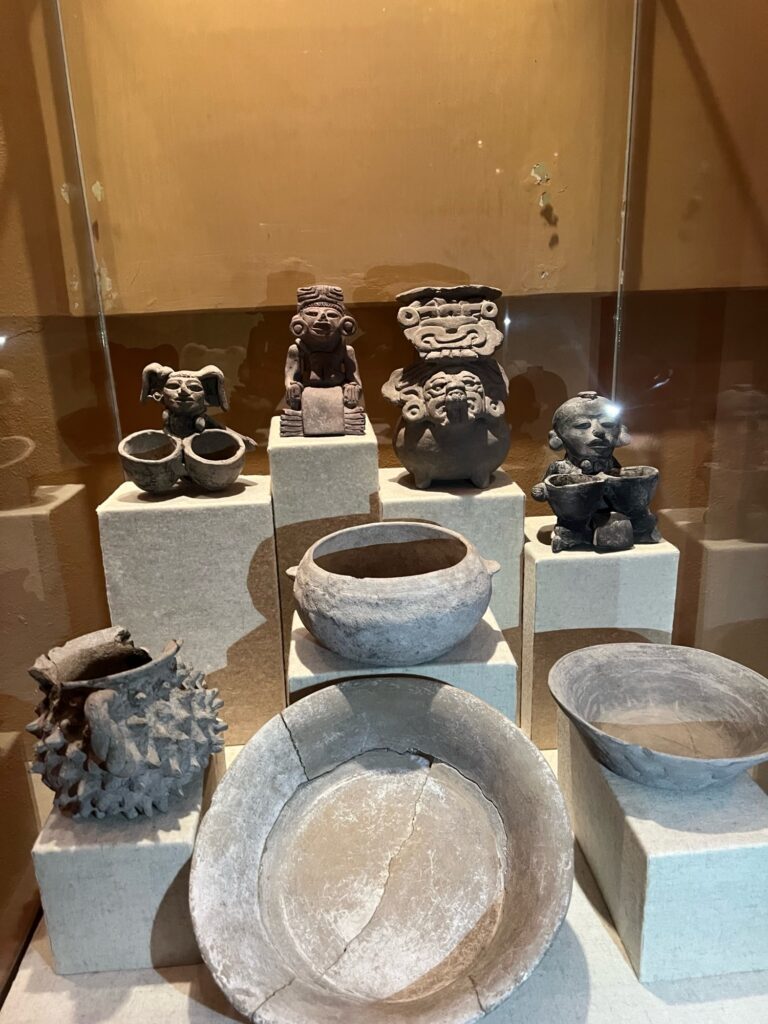
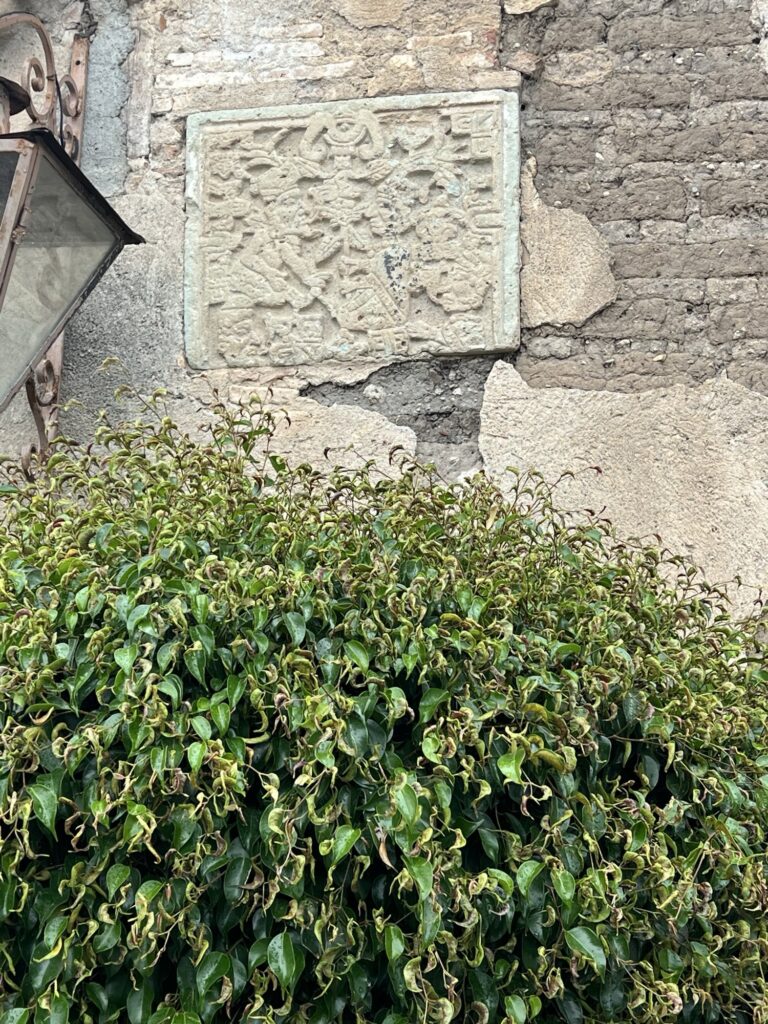
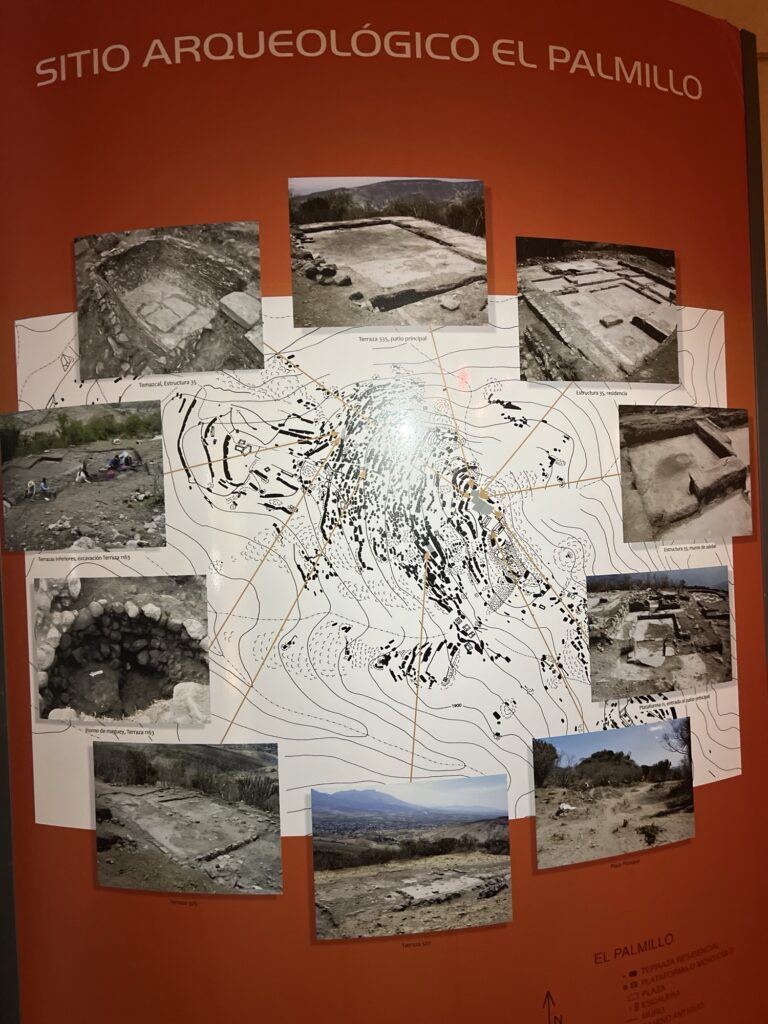
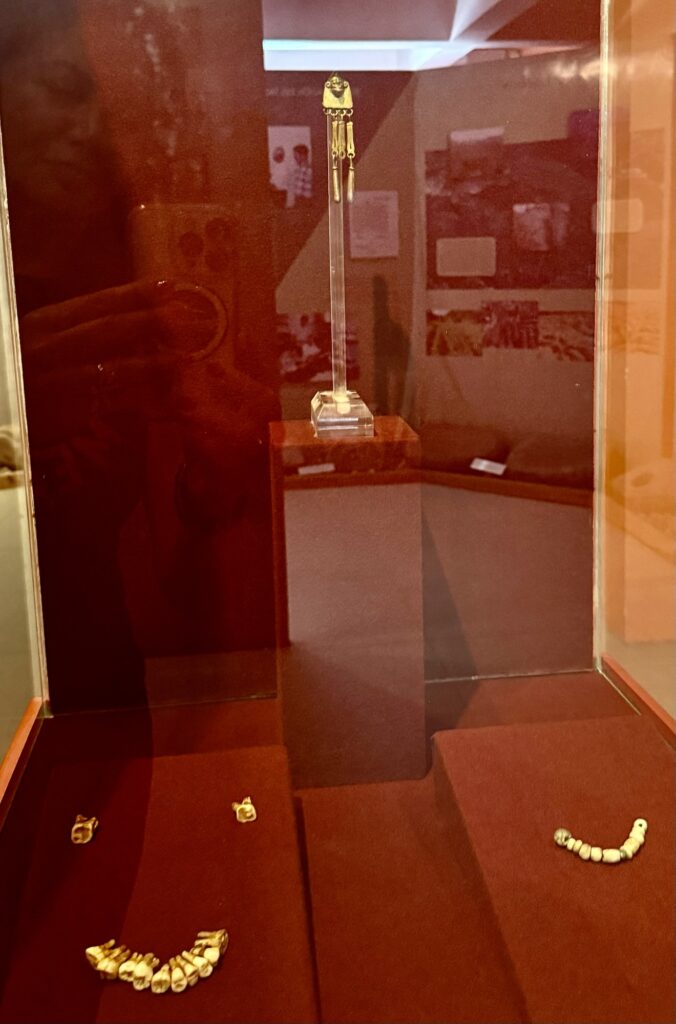
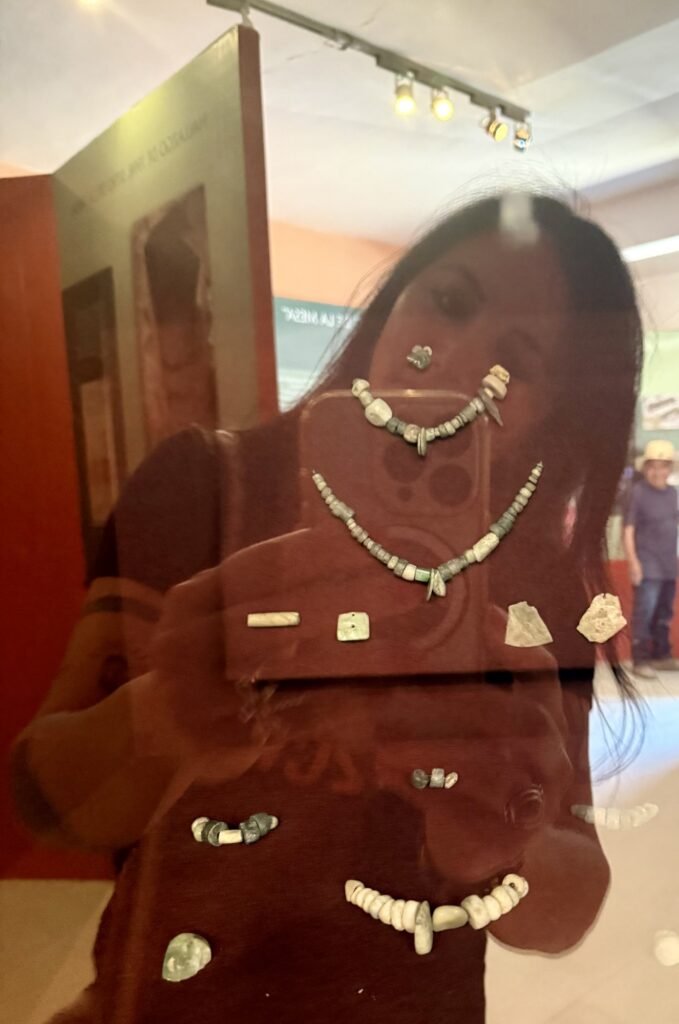
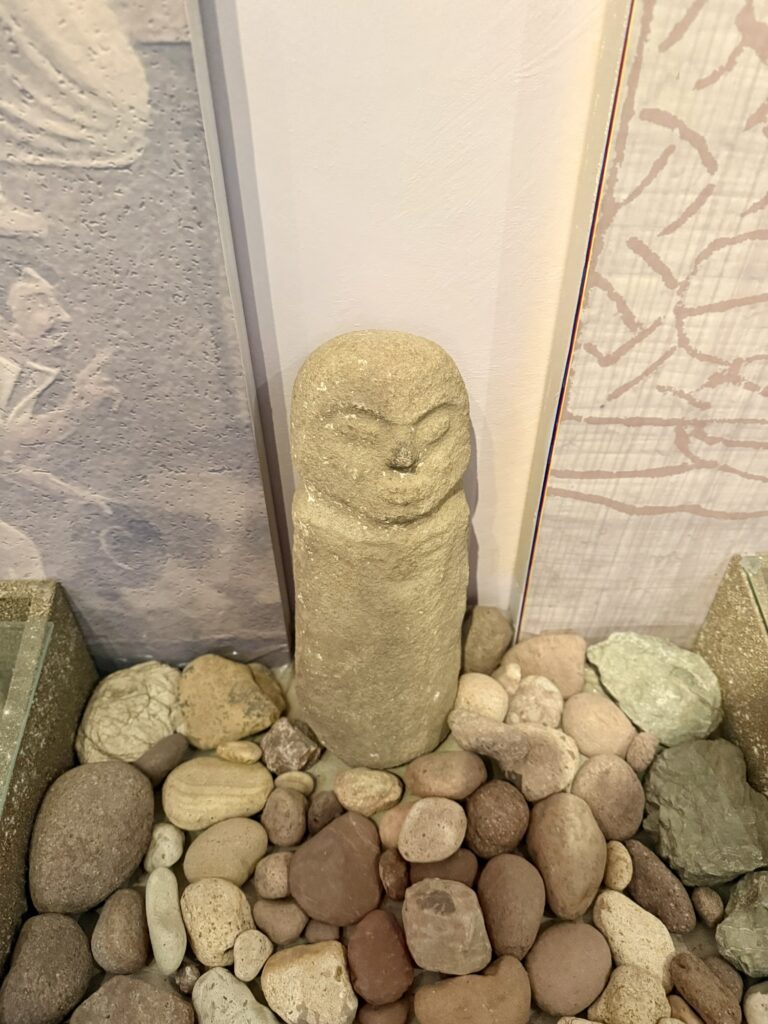
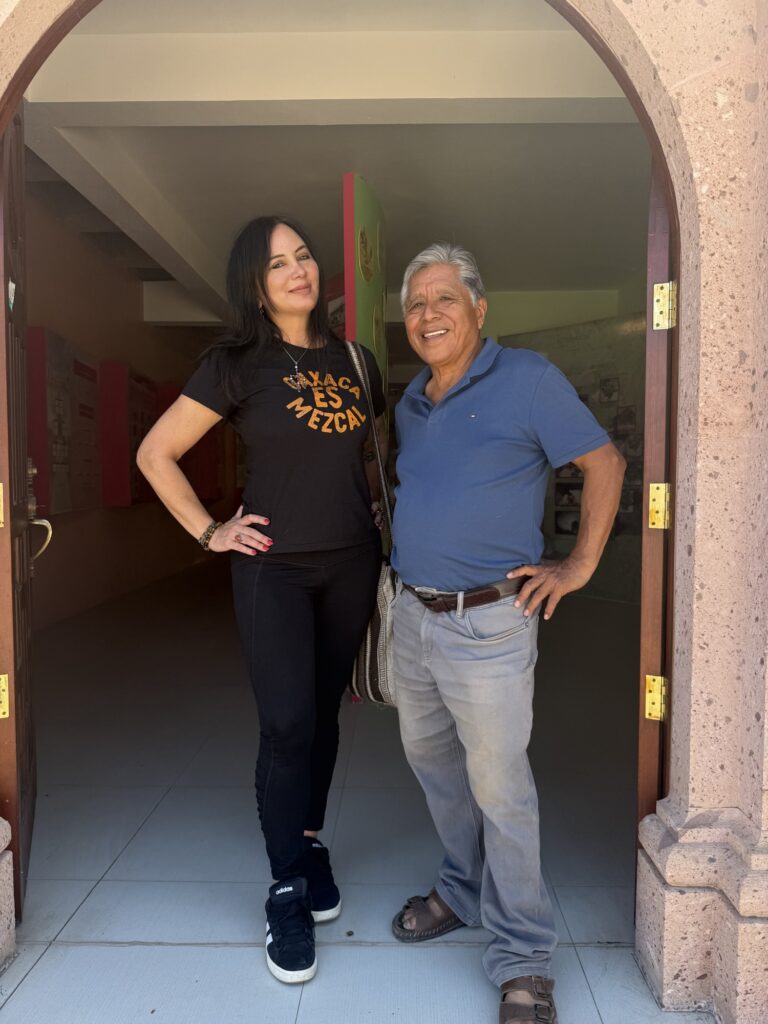
La comunidad tiene raíces prehispánicas muy antiguas. En el cerro llamado “La Mesa” se han encontrado vestigios arqueológicos y piezas antiguas que muestran que el área ya estaba habitada desde tiempos precolombinos. Parte de esos hallazgos hoy se resguardan en el museo comunitario del pueblo presidido por el Mtro Adrian, quien gentilmente brinda visitas guiadas del acervo histórico.
El nombre del pueblo honra a San Francisco de Asís. El término “Cajonos” tiene varias interpretaciones históricas; una de las más conocidas lo relaciona con los acontecimientos ocurridos alrededor de 1700, cuando sucedió el martirio de dos fiscales indígenas cristianos en la región, quienes fueron beatificados por el Papa Juan Pablo II.
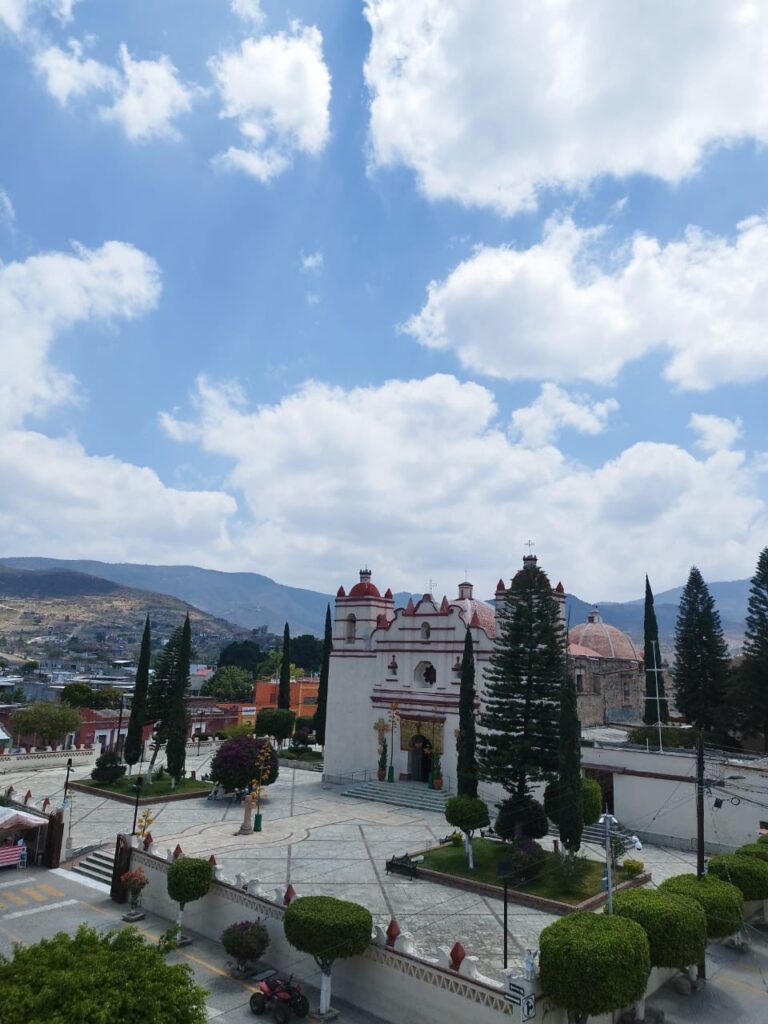
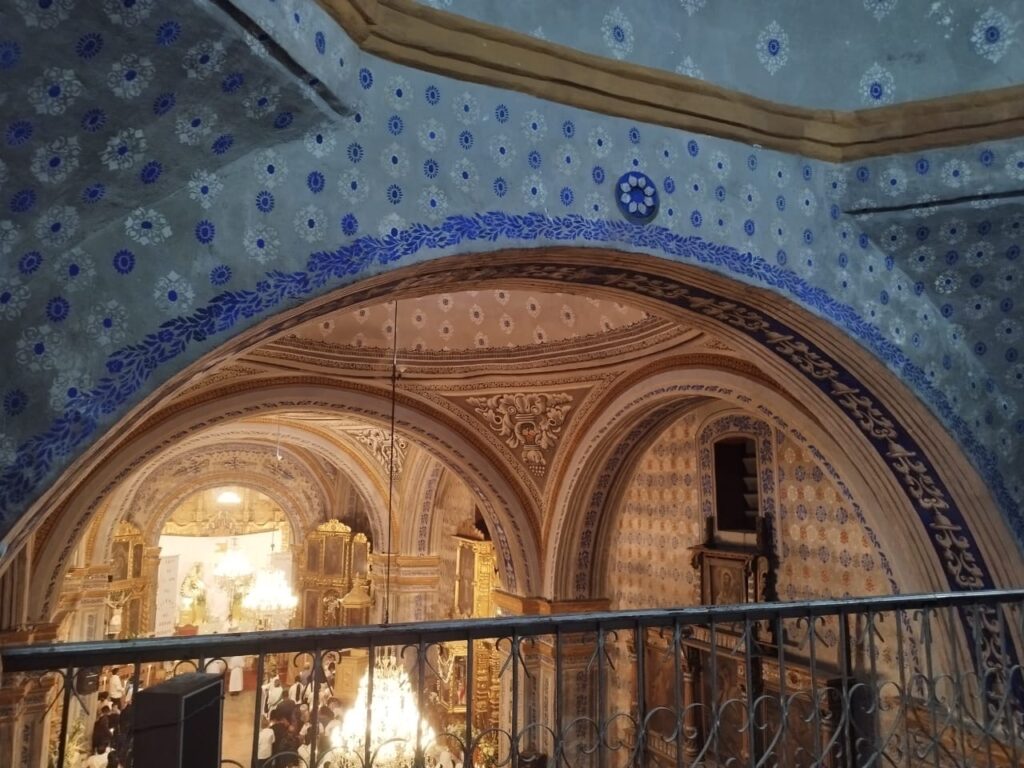
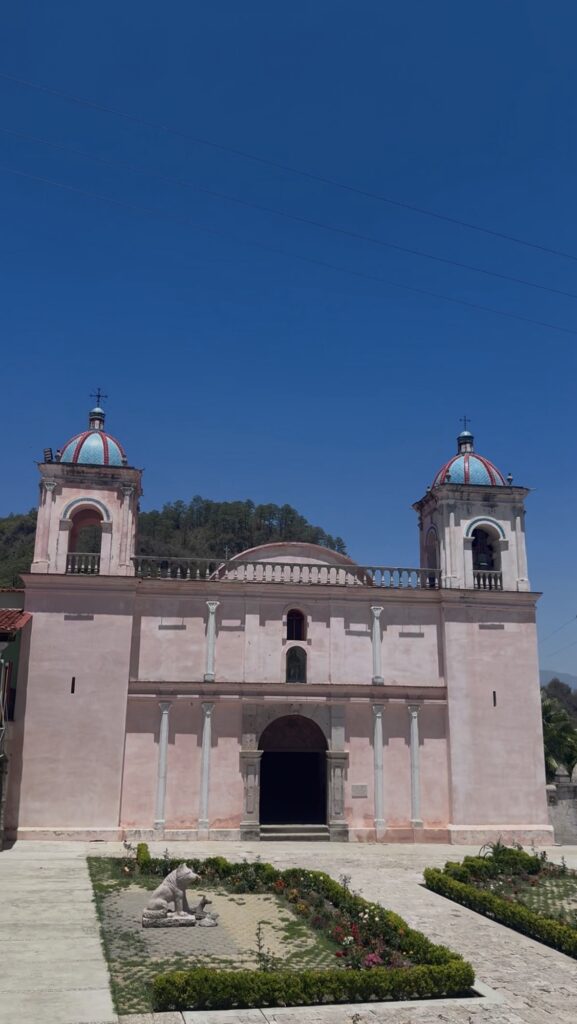
Cabe destacar la arquitectura y construcción en cantera rosa del templo y palacio municipal de San Francisco Cajonos, dando la bienvenida al visitante y brillando imponente al ocaso.

Santiago Zoochila
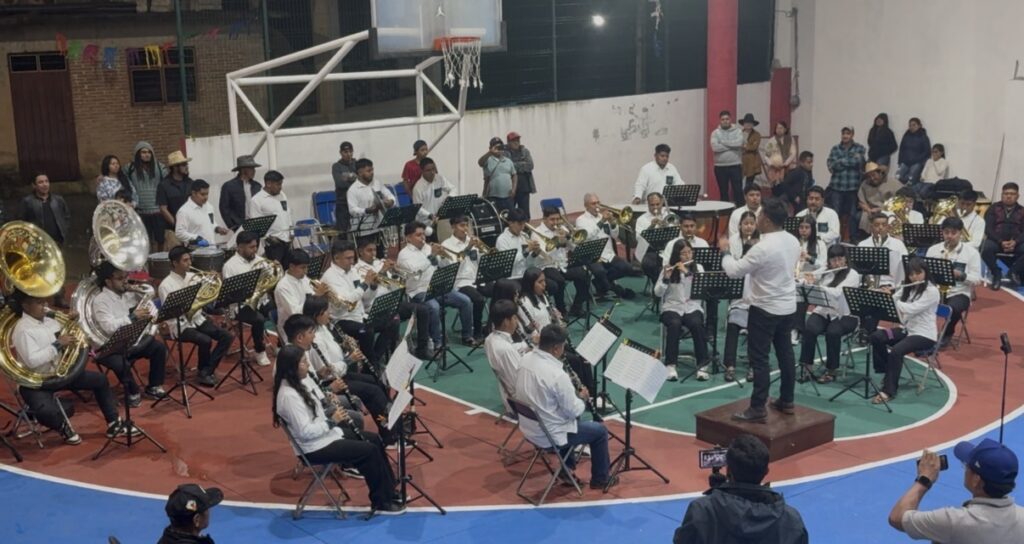
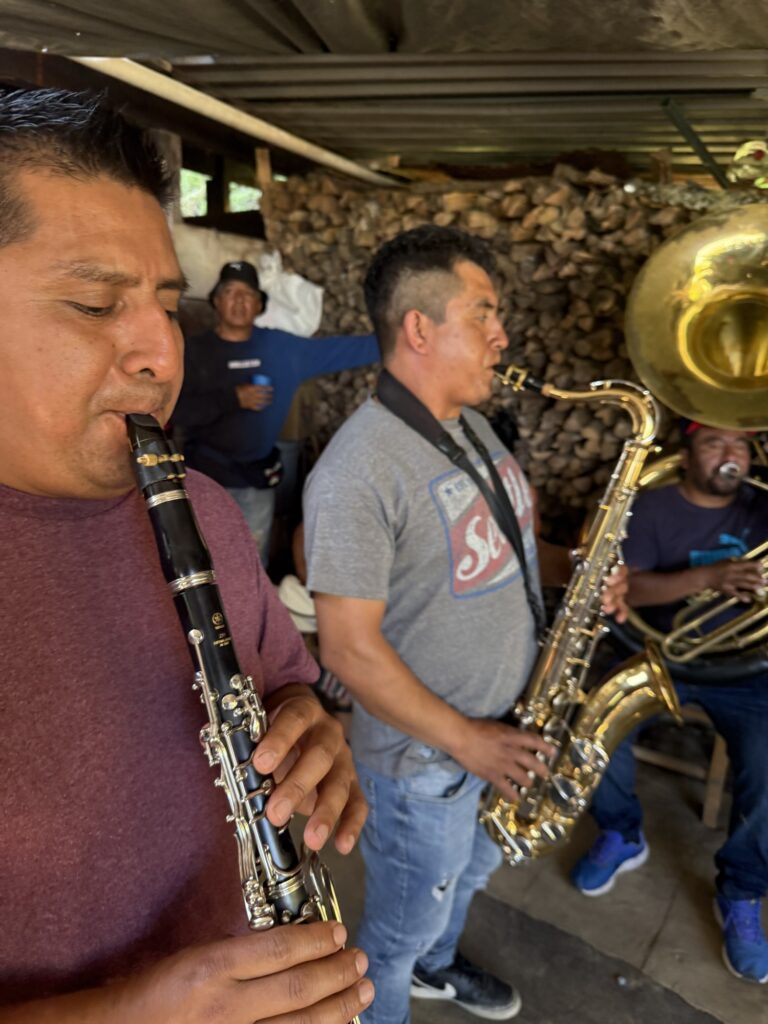
Un elemento que ha mantenido unidos a estos pueblos mancomunados, son las bandas filarmónicas. Durante generaciones, músicos de Zoochila, Cajonos, Yatzachi y otras comunidades viajaban para tocar en fiestas patronales y celebraciones. A través de la música surgieron amistades, compadrazgos y matrimonios entre familias de distintos pueblos.
Las montañas de la Sierra Norte y los Valles Centrales estuvieron conectados durante siglos por caminos, comercio, música, matrimonios y fiestas religiosas, esto hizo también que el intercambio y las tradiciones tales como el “Padiux” (en zapoteco es dar posada, alimento o cobijo al viajero o quien necesite sin esperar nada a cambio) fuera un símbolo de fraternidad entre los pueblos serranos.
La Música y la reciprocidad como ethos en Zoochila
Esto también se ve reflejado en la tradición de la “Gozona” que en zapoteco es devolver recíprocamente la visita de una banda filarmónica del pueblo huésped al pueblo visitante y viceversa, durante las fiestas patronales.
A diferencia de los demás pueblos, la banda filarmónica de Zoochila no pide Gozona, demostrando así un acto de generosidad absoluto, del mismo modo se reserva en sus presentaciones solo a 4 festividades anuales.
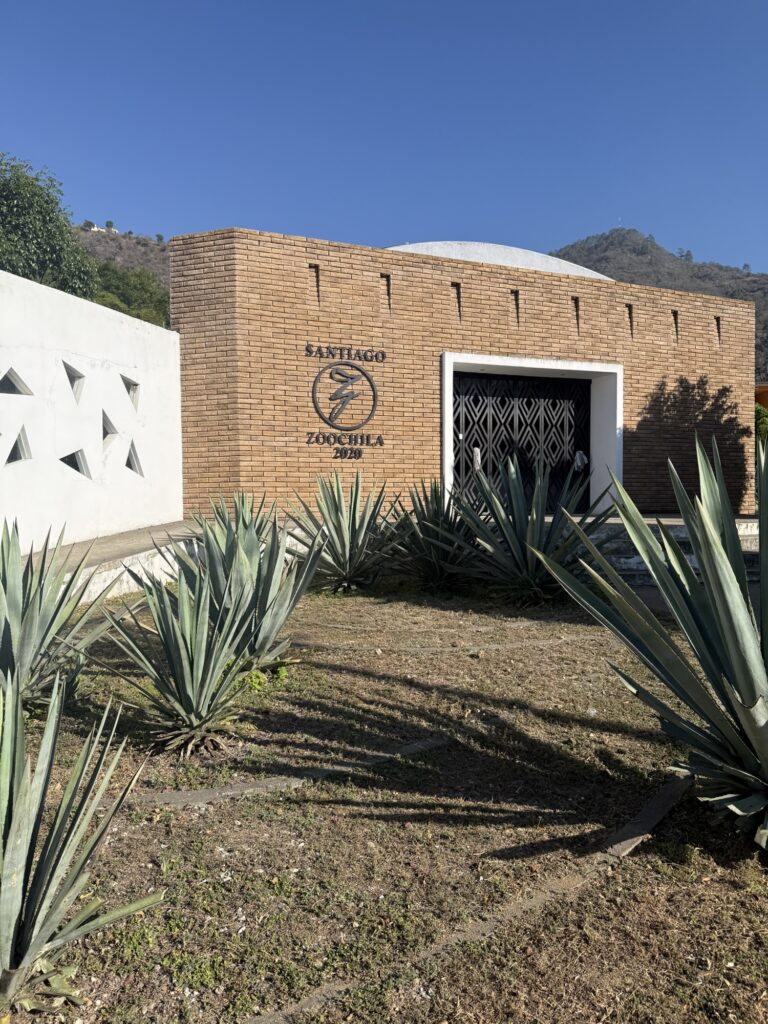
La identidad cultural de Santiago Zoochila está profundamente ligada a las tradiciones zapotecas de la Sierra Norte.
La música comunitaria tiene un papel importantísimo; la formación musical forma parte de la vida social del pueblo y de la transmisión cultural entre generaciones. Entre sus compositores destacados se encuentran Fernando Sandoval Luna, autor de obras extensamente difundidas entre las bandas filarmónicas de México y en plataformas digitales, y Francisco Javier Vargas Luna, primer Mexicano en especializarse en dirección de vientos y percusión en la prestigiosa Academia de Música Rainier III del Principado de Mónaco y el Conservatorio de Estrasburgo, Francia.
Como en otros pueblos de la sierra norte, las bandas de viento, las mayordomías y el tequio son pilares de la vida colectiva.
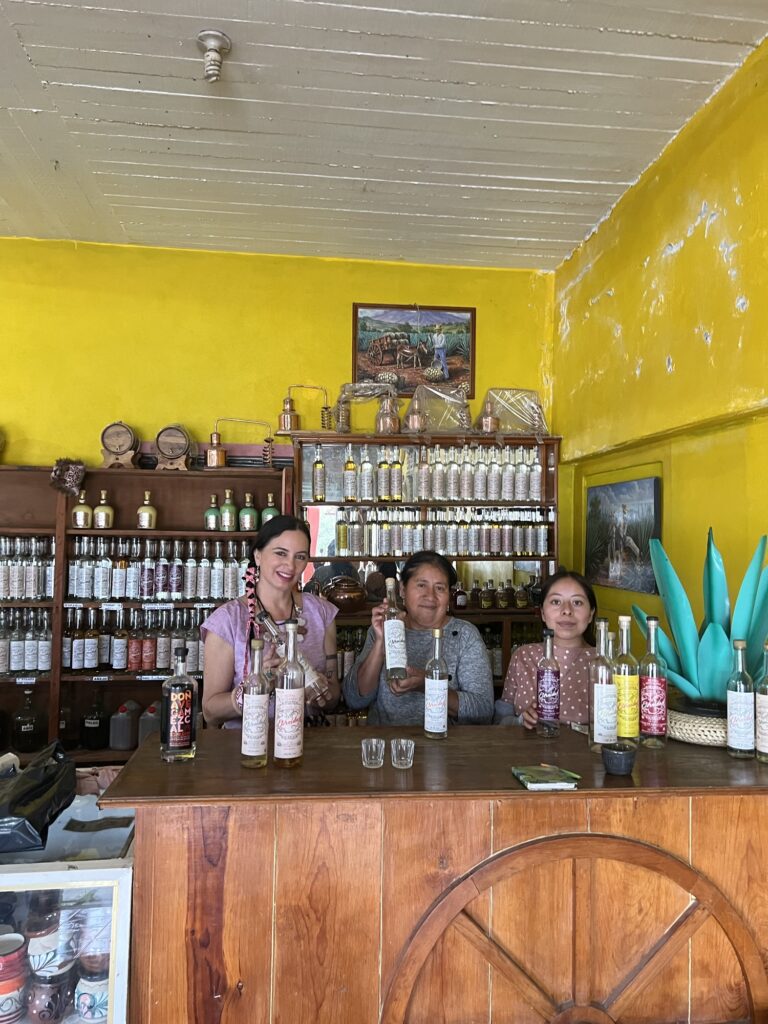
El mezcal como legado comunitario
Zoochila, un poblado de alrededor de 423 habitantes, de los cuales más de un centenar son músicos y alrededor de 20 mezcaleros de profesión.
Los primeros registros parroquiales de familias De Santiago Zoochila datan desde 1688.
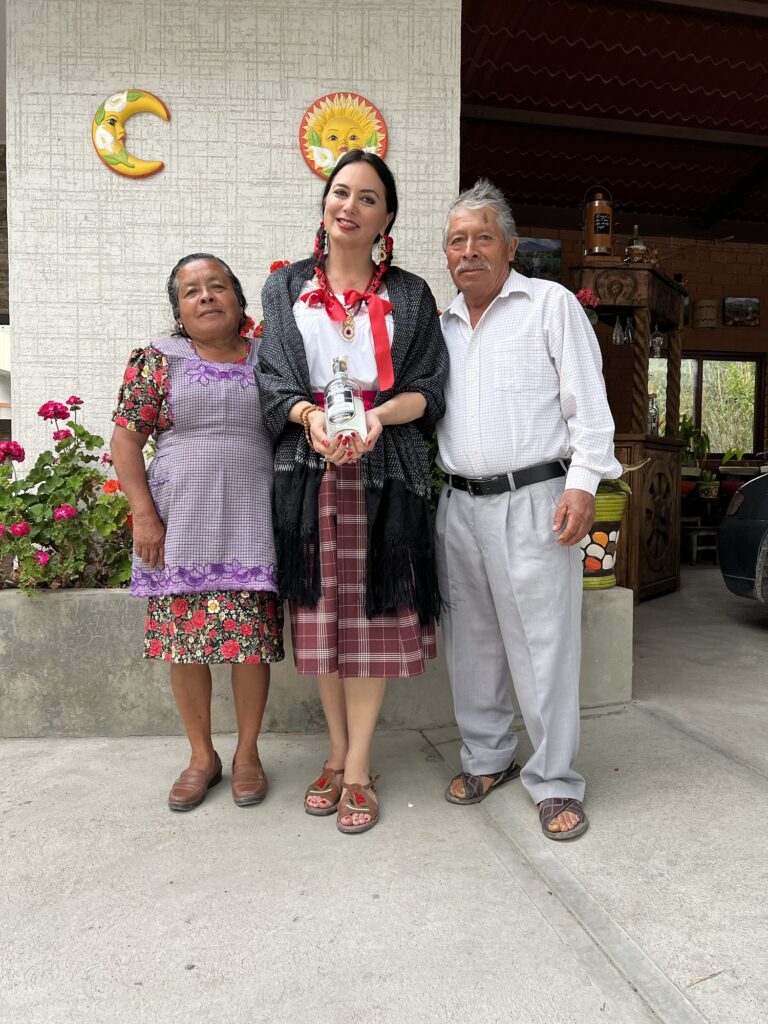
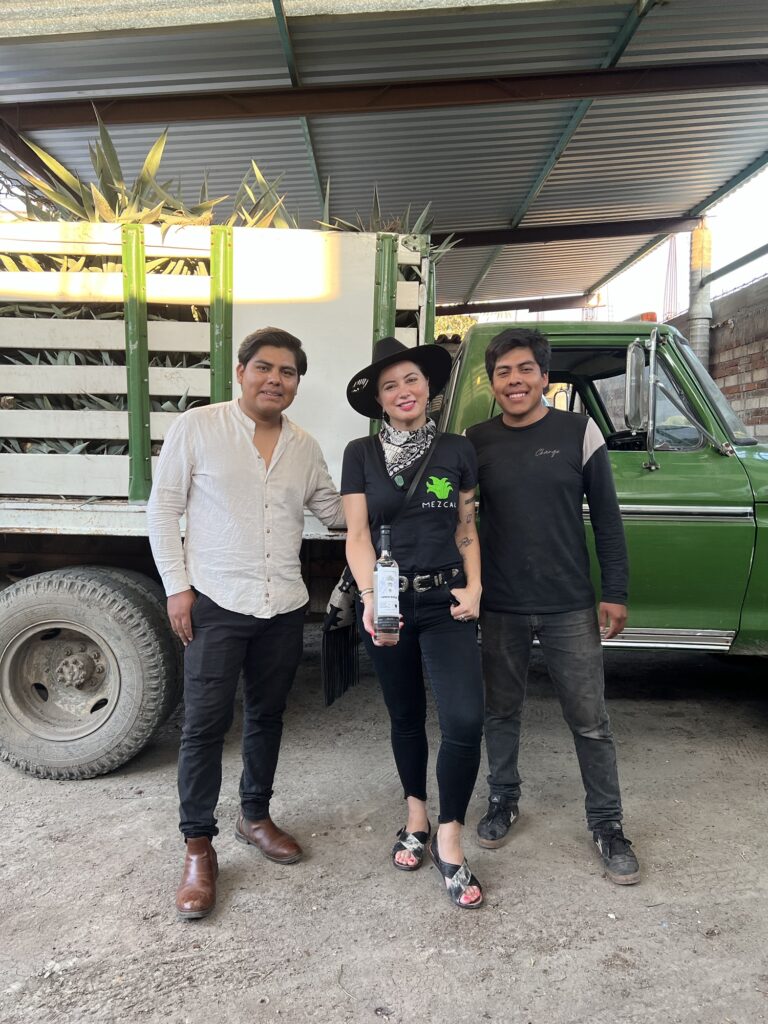
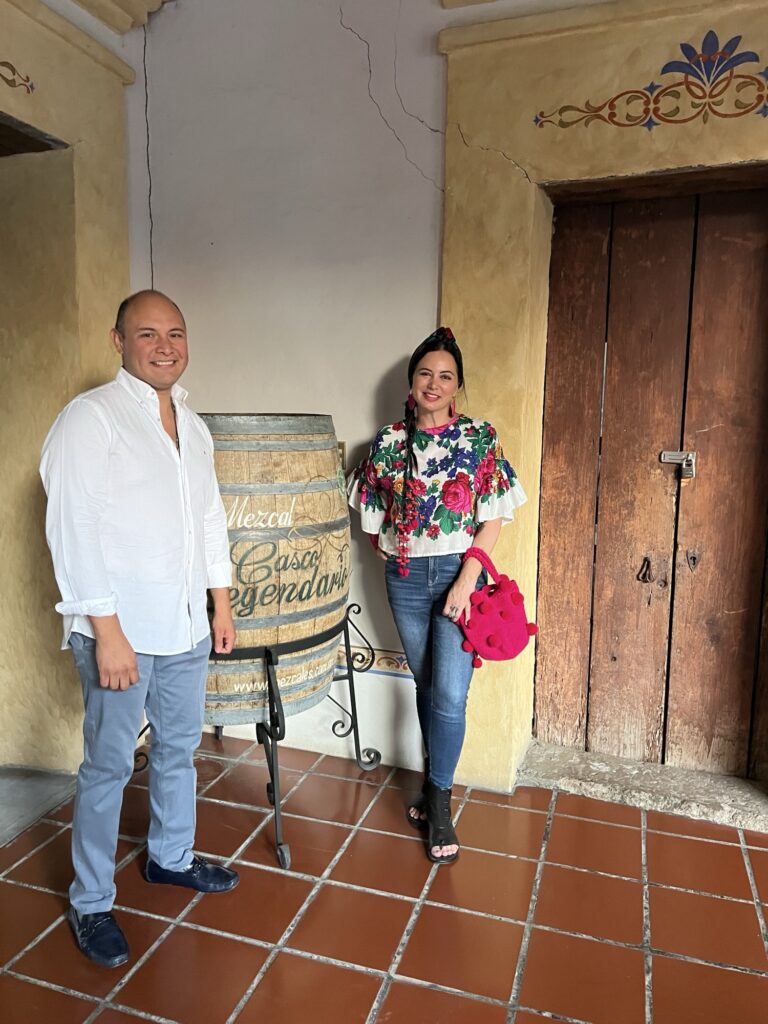
La producción de mezcal en Zoochila se ha mantenido como una gema del pueblo, para consumo comunitario, mayordomías y festividades, entre sus destacados maestros se encuentran los hermanos Víctor y Alfredo Cruz, Pastor Luna y Oscar Sandoval Luna.
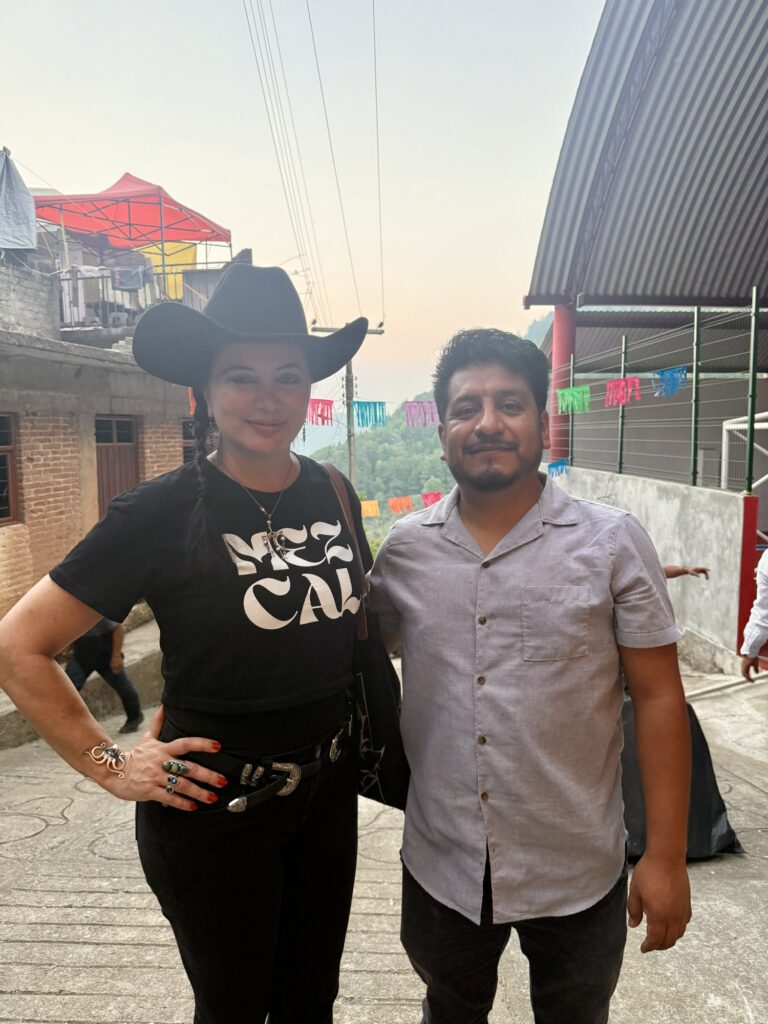
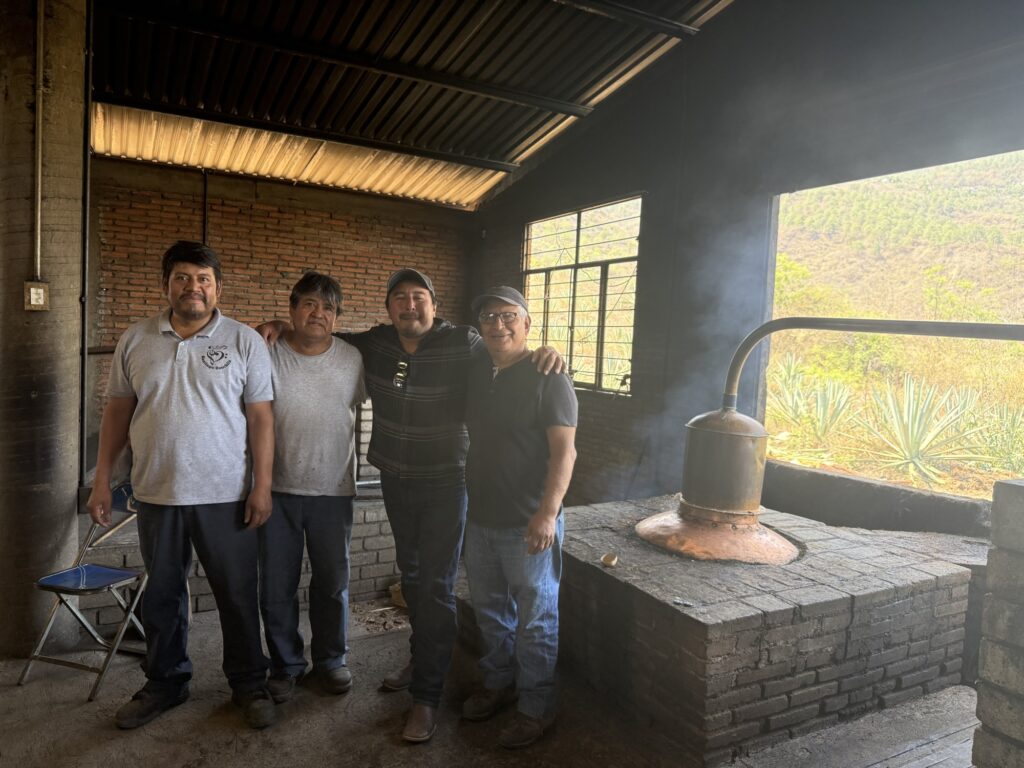
junto al Maestro y compositor Eduardo Díaz Méndez
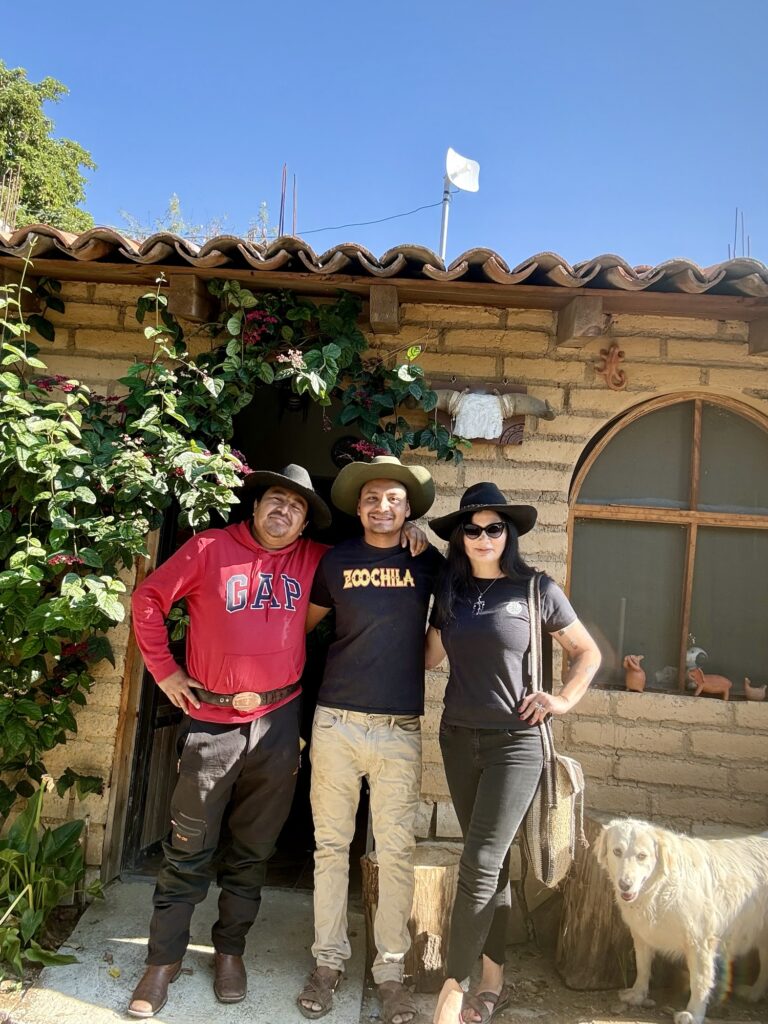
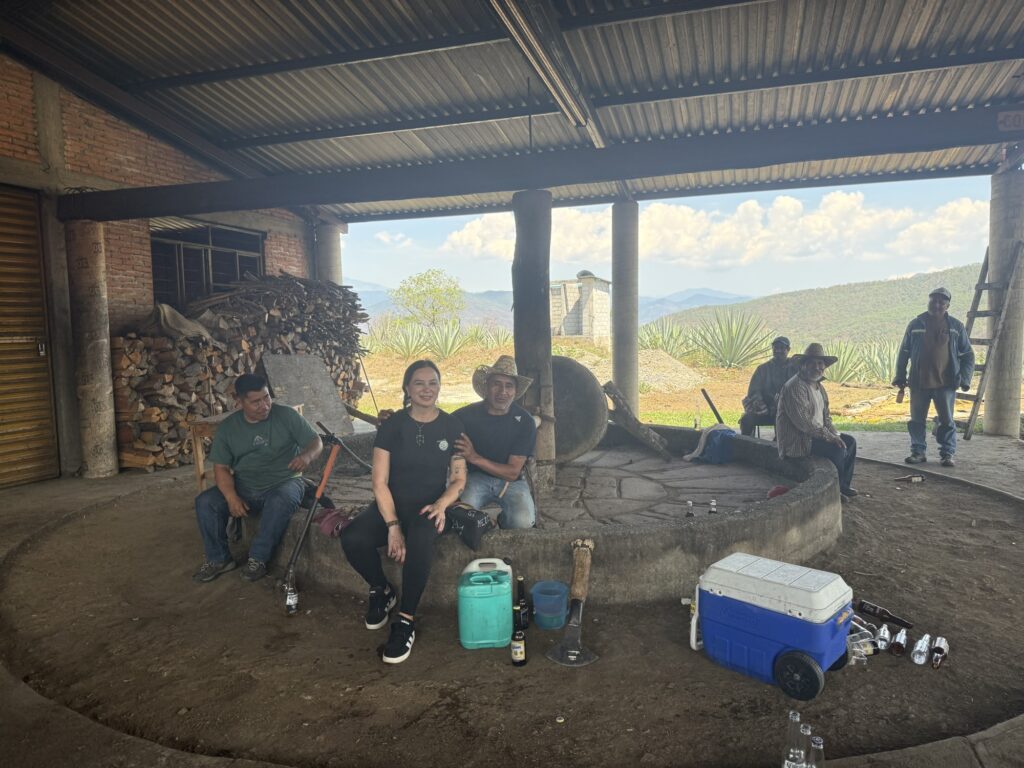
Otatitlan de Morelos
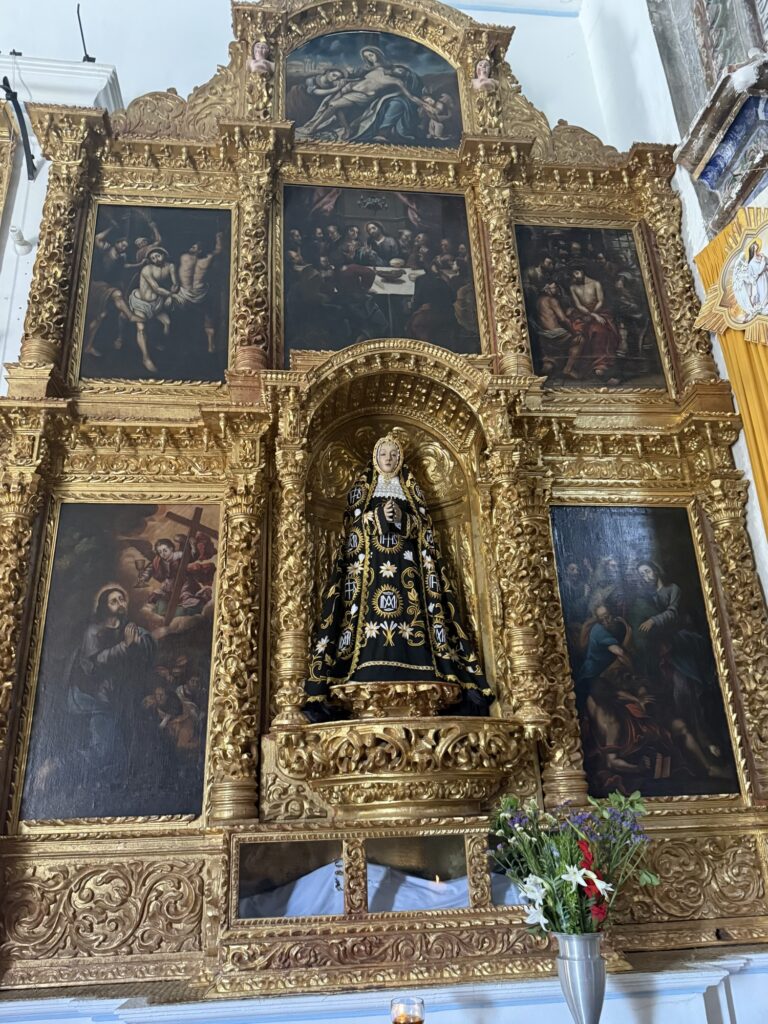
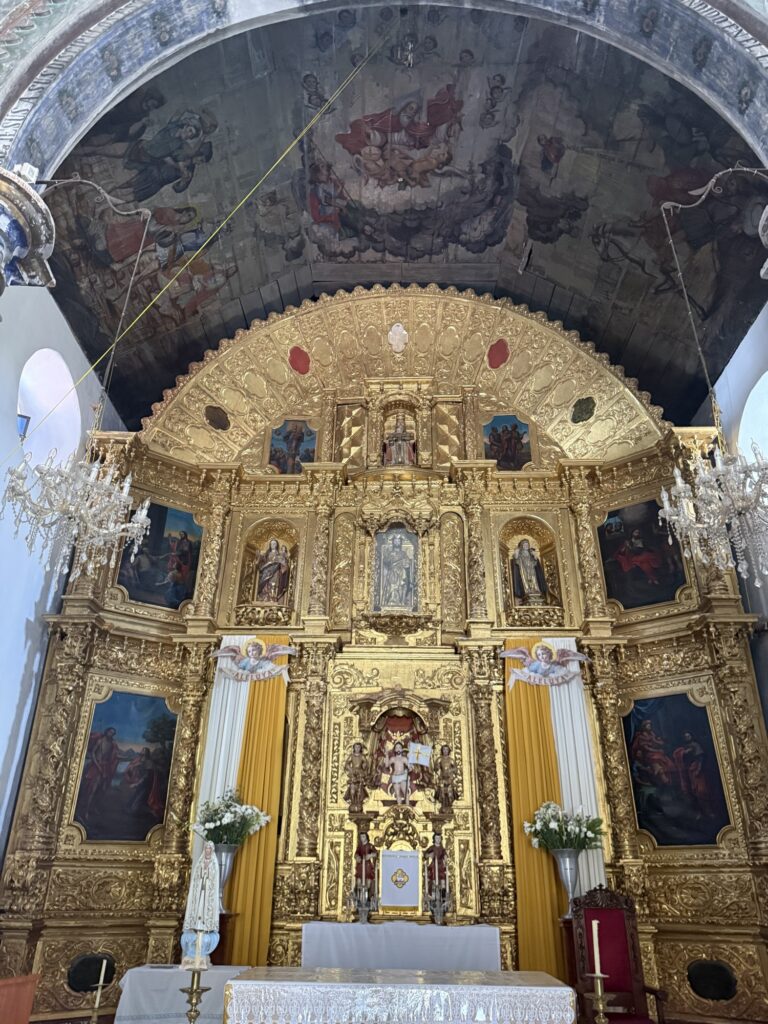
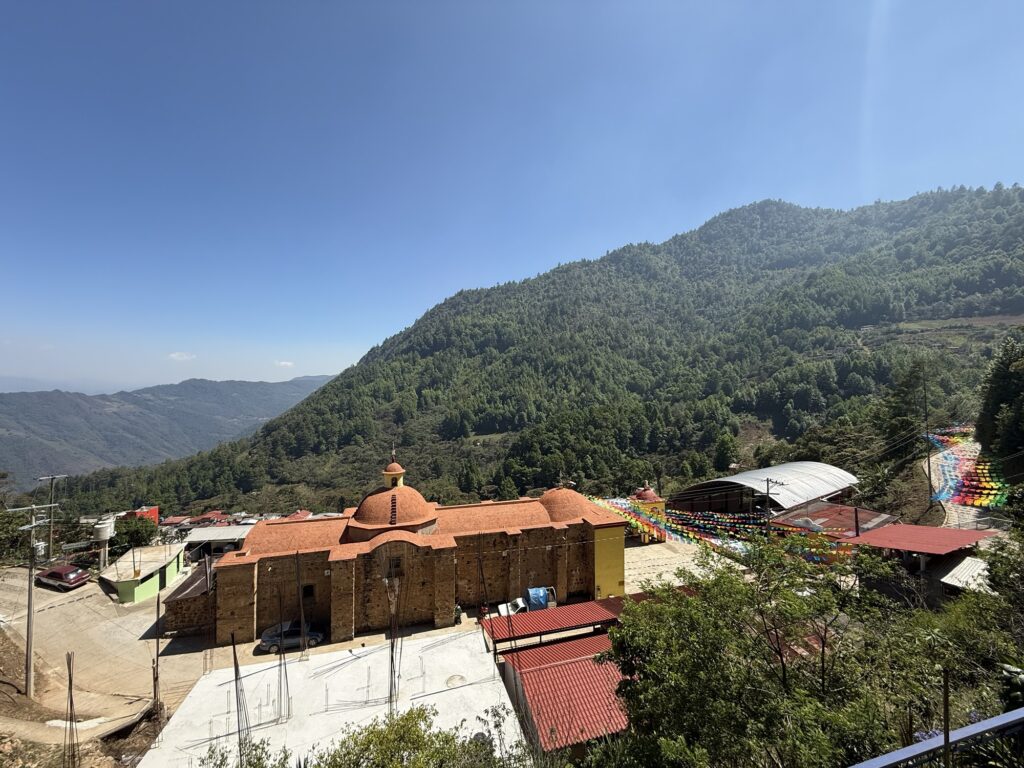
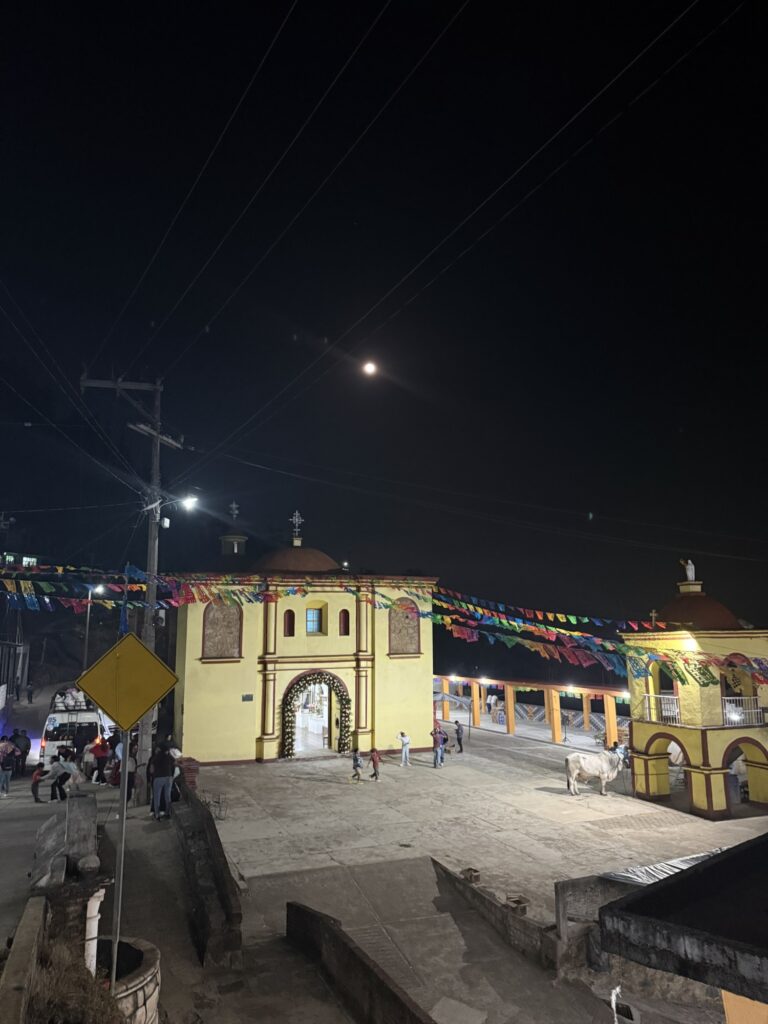
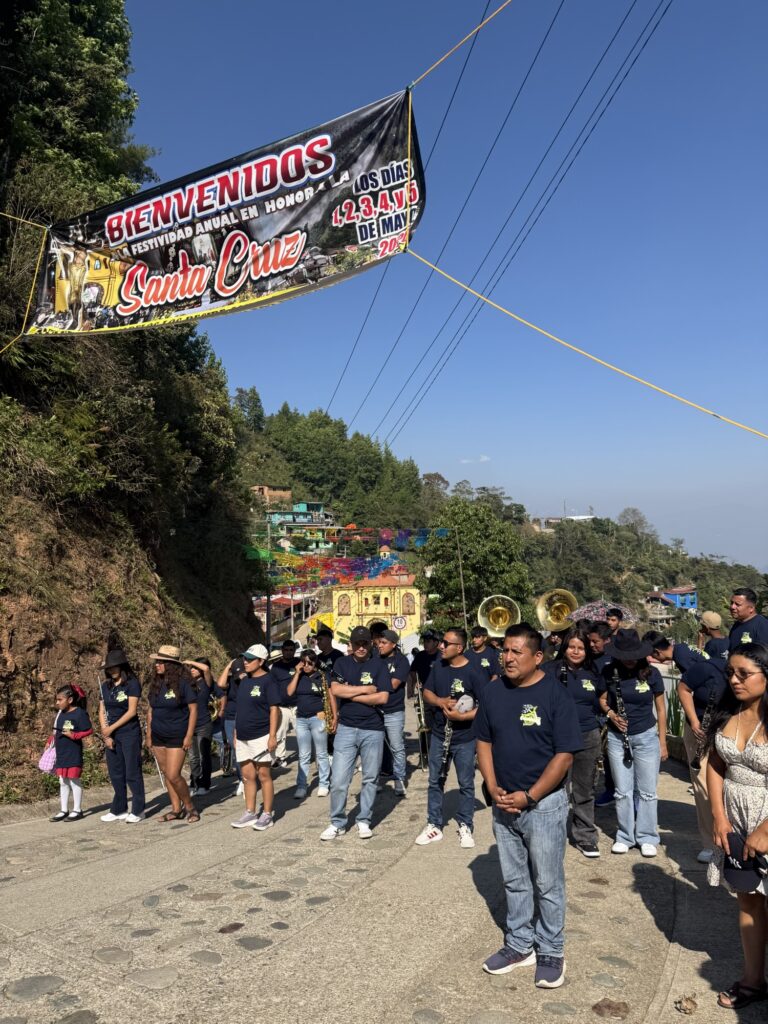
Tuve la oportunidad de conocer y apreciar Otatitlan de Morelos en sus fiestas patronales en el mes de Mayo, en homenaje a La Santa Cruz.
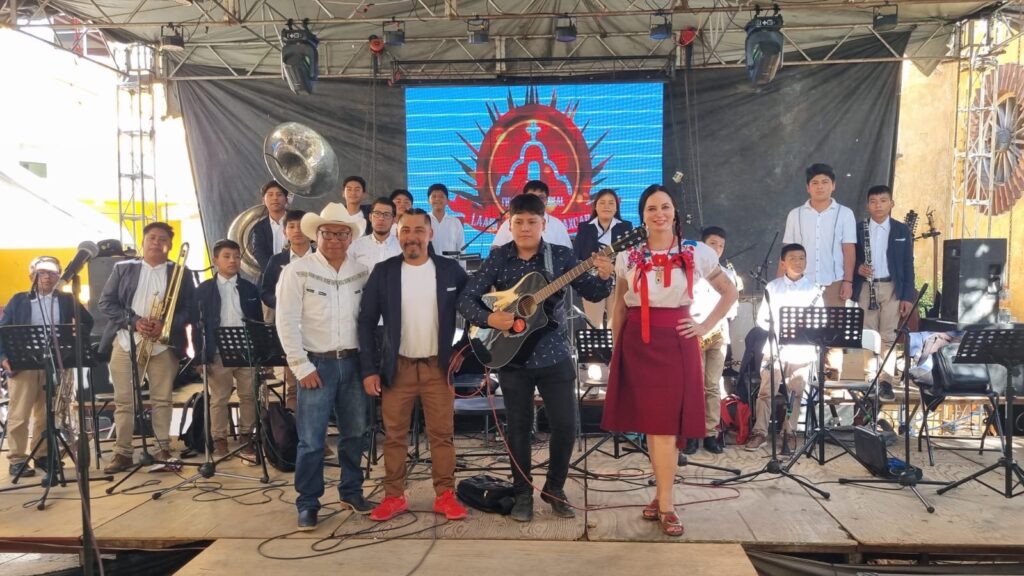
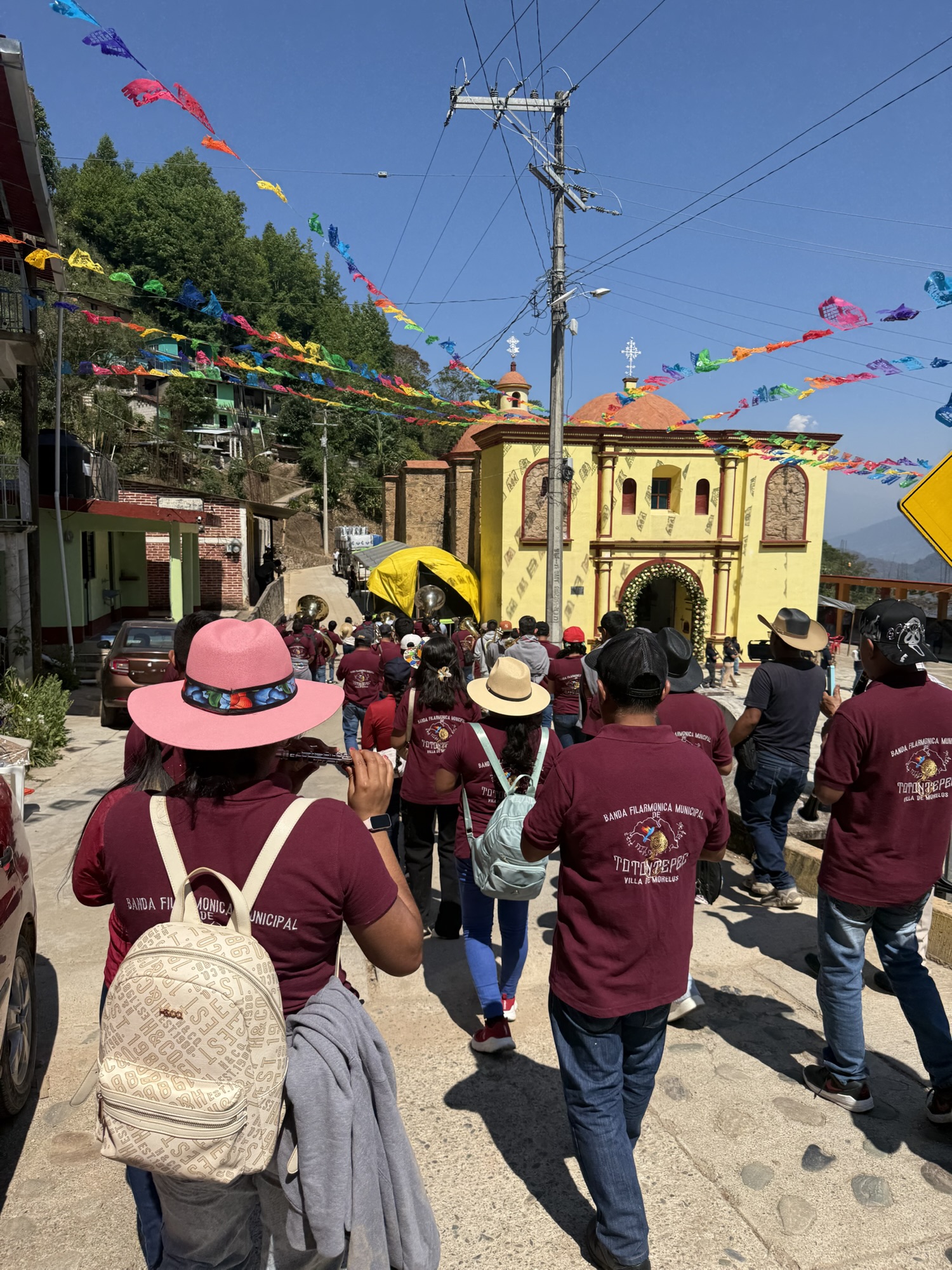
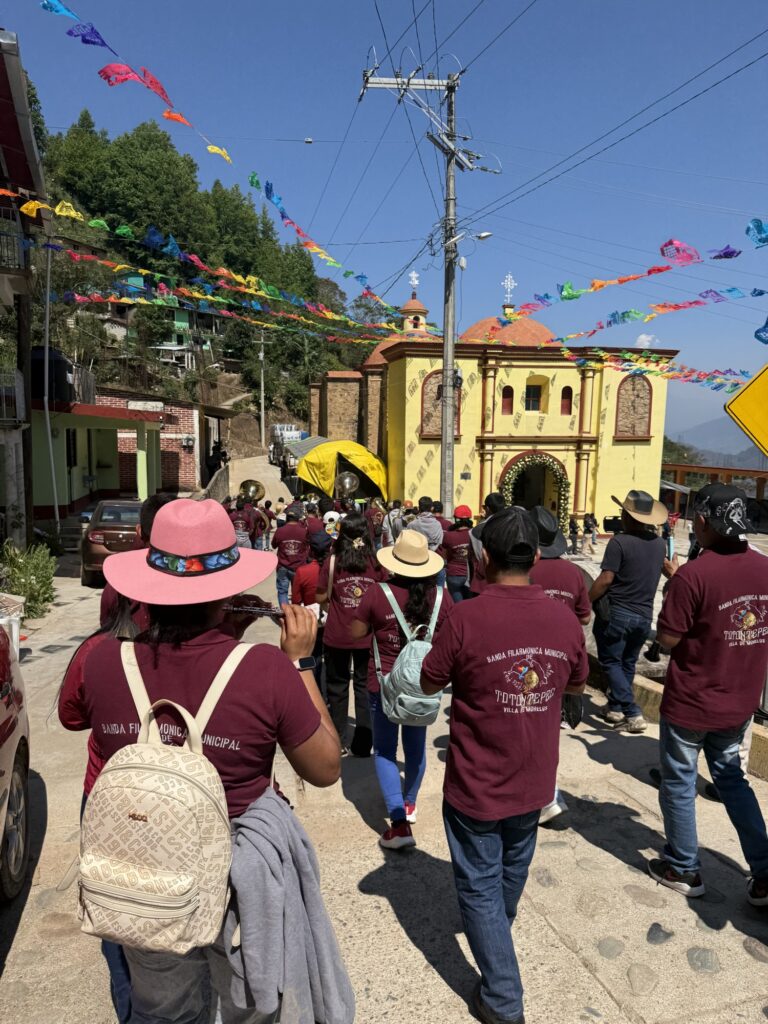
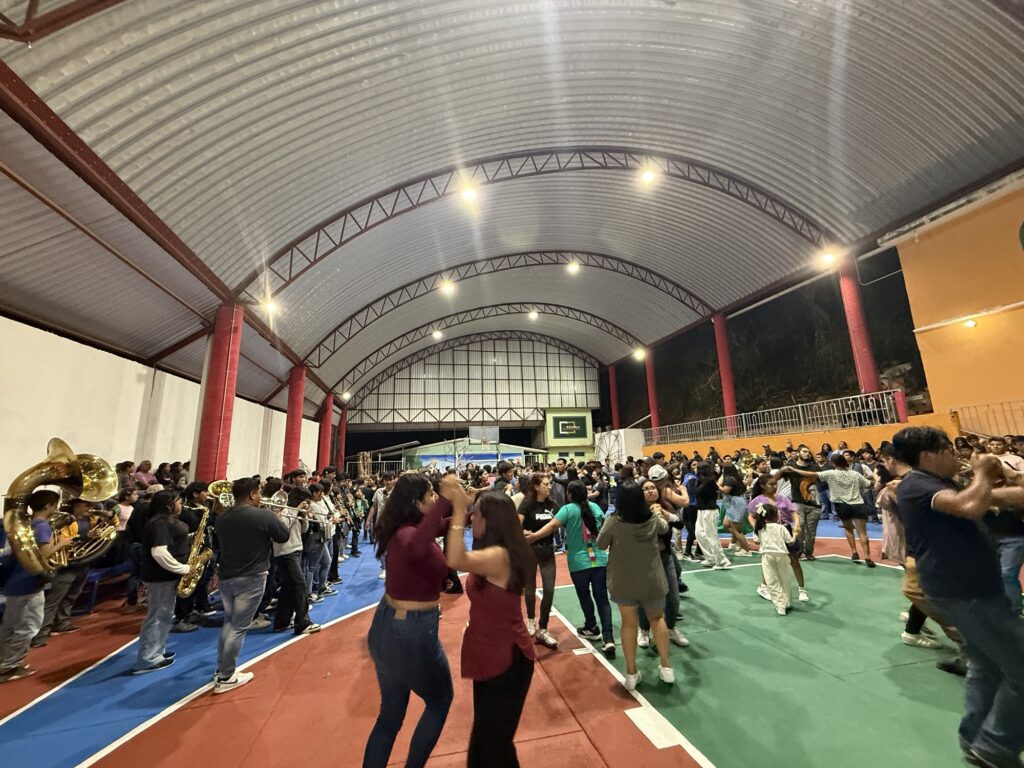
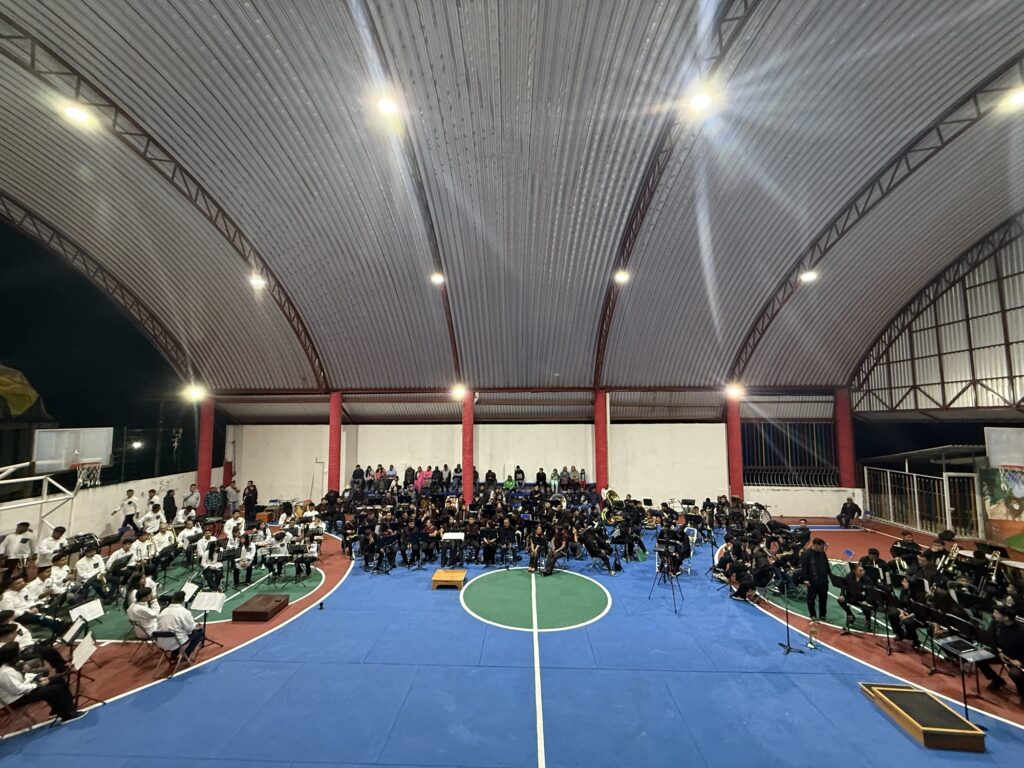
Estas fiestas que por lo general duran 5 días tienen un gran simbolismo religioso muy arraigado a la comunidad donde el intercambio de las bandas filarmónicas huéspedes (Banda Filarmonica Municipal de Otatitlan de Morelos) y visitantes; en este año estuvieron presentes: la Banda Filarmónica Nueva Generación de Zoochila, la Banda Filarmónica Aires de Primavera, la Banda Filarmonica de Totontepec Villa de Morelos Mixe donan su tiempo como un servicio comunitario y social.
Las actividades de estas fiestas patronales se desarrollan desde el momento de las donaciones del novillo a cargo de las familias anfitrionas o mayordomos, en esta oportunidad: la familia Martínez Zavala y como mis anfitriones a quienes agradezco infinitamente su generosidad: Wilver Aquino y Mary Ramírez.
La donación va acompañada de la banda municipal anfitriona la cual ameniza la tarde entera, se ofrece una comida de agasajo a todos los presentes y posteriormente se dirigen al templo a entregar las ofrendas al Señor de La Santa Cruz, el cual se adorna con flores naturales y palmas.
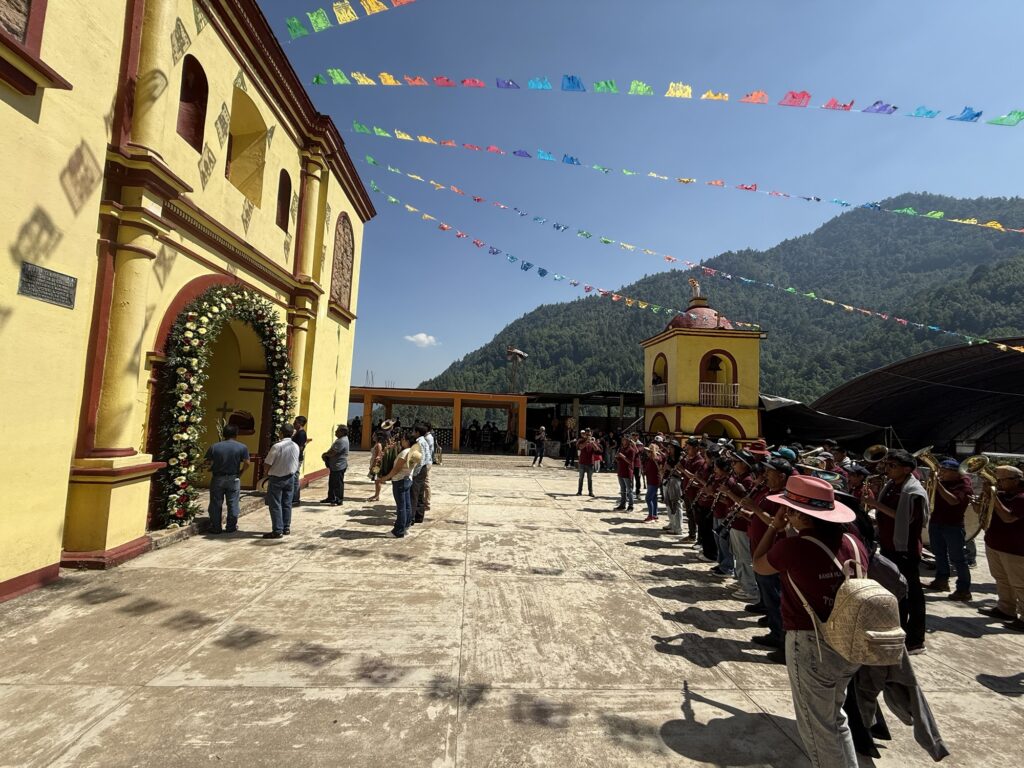
Al día siguiente, se da la bienvenida a las bandas visitantes, el representante de la comunidad preside junto a la banda anfitriona, mientras una fanfarria contesta de cada lado, tal y cual lo hubieran hecho en Europa, en tiempos medievales las visitas protocolares de aldeas vecinas durante el palio o festividades principales.
Al ritmo de marchas, y con un repertorio que dominan de memoria, se dirigen los músicos visitantes y huéspedes hasta el templo a entregar sus ofrendas mientras que la comunidad canta con salmos responsoriales.
De allí proceden a un salón comunitario junto con chirimías que también les dan la bienvenida y donde cada banda visitante interpreta obras selectas de su repertorio, hasta que la siguiente banda se hace presente y así sucesivamente continúa la tarde entre sones, jarabes, fandangos, chotis, pasacalles, danzones y otros géneros musicales todos de compositores locales.
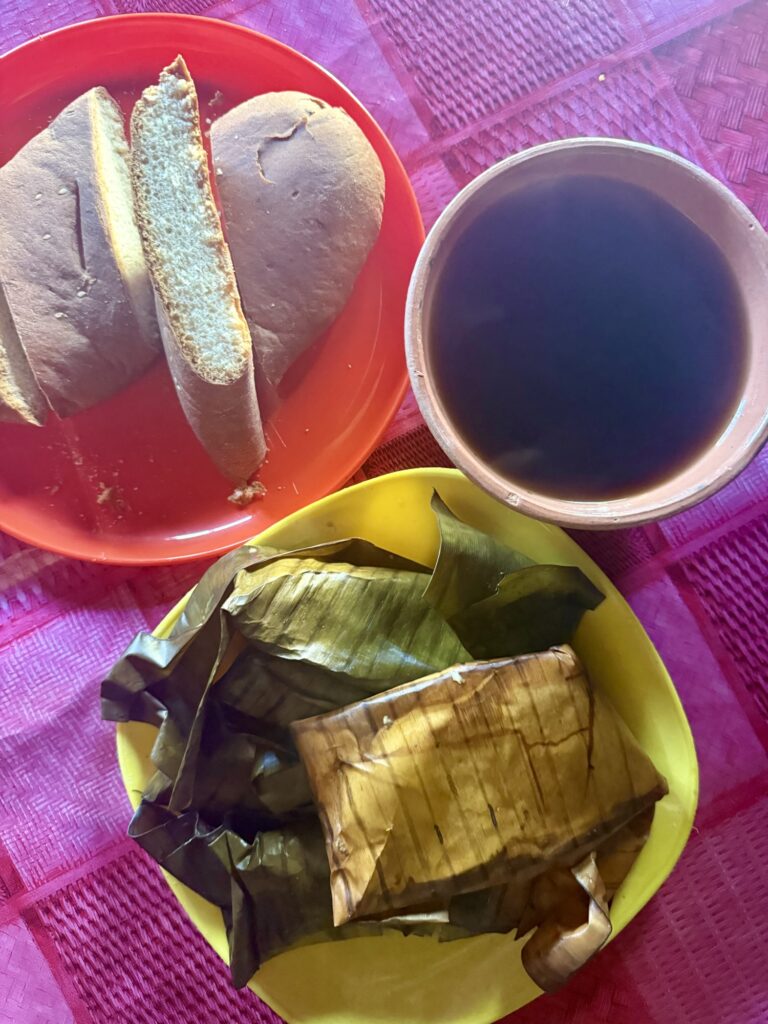
Los músicos de cada banda reciben refrigerio, alimentos y alojamiento durante este maratón musical de 5 días, cada banda ameniza el día completo por turnos, desde el amanecer en procesiones solemnes (calendas) hasta las horas de las comidas diarias, misas, y en la tarde y noche audiciones y bailes.
En la víspera de la fiesta del Señor de La Santa Cruz es la quema del castillo (fuegos pirotécnicos espectaculares) frente a la Iglesia, en la plaza principal, donde llueve o truene cada banda debe continuar por turnos amenizando el baile, sones tras sones.
Lo que para estas comunidades representa algo cotidiano, visto y oído desde la perspectiva externa, es simplemente loable y un verdadero deleite para los sentidos al tener el privilegio de despertar por las mañanas con sones interpretados por las bandas filarmónicas en vivo mientras se dirigen al desayuno en la casa comunitaria. Además de esto, el mismo entorno, el paisaje de montañas y niebla, sumados a los sonidos de la naturaleza, contribuyen a que la experiencia sea aún más surrealista.
Para mí que como artista de origen, me crié en medio de músicos de todos géneros desde tradicionales hasta clásicos, no puedo dejar de admirar el sistema musical de la Sierra Norte y seguiré siendo una fiel difusora de su música y tradiciones.
La música como modus vivendi y hegemonía en las comunidades de la sierra norte
El “ser músico” en las comunidades de “usos y costumbres” de la Sierra Norte y formar parte de la banda filarmónica representa así una forma de servir o “tequio” el cual para otros habitantes del pueblo que no cuenten con la vocación musical deberá ser reemplazado por otro tipo de servicio como “topil” (en zapoteco los topiles se encargan de servir anualmente en las actividades comunitarias haciendo labores que pueden ir desde el orden público a la limpieza de calles).
En estas comunidades, el ser músico es todo un honor, así como en las cortes Europeas, el músico fue una figura esencial para el deleite de sus miembros. Para las comunidades de la Sierra Norte, las bandas filarmónicas constituyen el pilar de la identidad cultural, en estos pueblos es común que los niños aprendan a leer música mucho antes que a leer y escribir.
Dotados de una disciplina para el estudio, los músicos de la sierra norte perfeccionan su ejecución, afinación, destreza e interpretación y reviven movimientos estilísticos que aunque se hubieran originado en Europa y por herencia dejaron su huella hace 5 siglos, a través de la evangelización en estas tierras, han trascendido a un nivel de asimilación e identidad propia desde sus grandes compositores locales como Otilio Contreras, Lico Carrillo, hasta los contemporáneos tales como Eduardo Díaz Méndez, Guzz Ojeda, Fernando Sandoval Luna, Francisco Javier Vargas Luna, Honorio Cano, Víctor Reyes, Cirilo Díaz, Silvestre Vázquez, Gil Ventura, solo por mencionar algunos de estos testimonios vivos del acervo musical de la Sierra de Oaxaca, con más de un centenar de obras por compositor.
Cabe destacar que en algunas comunidades Mixe de la Sierra Norte tales como Totontepec Villa de Morelos, son tantos compositores nacidos en Totontepec, que sus bandas sólo interpretan a compositores de Totontepec.
Al igual que en Santa María Tlahuitoltepec, sede del CECAM (Centro de Capacitación Musical y Desarrollo de la Cultura Mixe) y con quienes he tenido el honor de participar en audiciones de estreno mundial tales como Paz en el Alma y Magnificat en lengua Mazateca, el CECAM no nació como una escuela gubernamental, sino como un proyecto comunitario impulsado por los propios pueblos Mixes para garantizar la continuidad de su herencia musical.
Las Bandas Filarmónicas Tradicionales son patrimonio intangible del Estado de Oaxaca.
Prepara tu viaje:
Complejo Turístico comunitario Yaa-Cuetzi
Santuario del Gusano de Seda, San Pedro Cajonos
Museo Comunitario de San Francisco Cajonos
Bibliografía:
Mitchell, J. (2021). Community and Idolatry: San Francisco Cajonos, Yalalag, and Betaza through the Criminal Court of Villa Alta, 1700-1704
Marruffo Betancourt, I., Juárez López, I. I., & Pereyra Martínez, A. (2025). Conocimientos y prácticas tradicionales en la gastronomía de los hongos silvestres de mujeres cocineras de San Antonio Cuajimoloyas, Oaxaca. Enfoques Transdisciplinarios: Ciencia Y Sociedad, 3(1), 133-153.
Aquino, A. (2013a), “La comunalidad como epistemología del sur. Apuntes y retos”
Cuadernos del sur. Revista de ciencias sociales, Oaxaca, CIESAS-Pacífico Sur, UABJO, INAH, año 18, núm. 34, enero-junio, pp. 7-18.
Agradecimientos especiales al maestro Eduardo Díaz Méndez por el privilegio de este viaje musical al país de las nubes, sus conocimientos e introducción a los amigos y a los grandes maestros de la sierra y a todos los pueblos que visite y seguiré visitando mientras la vida me de fuerzas.