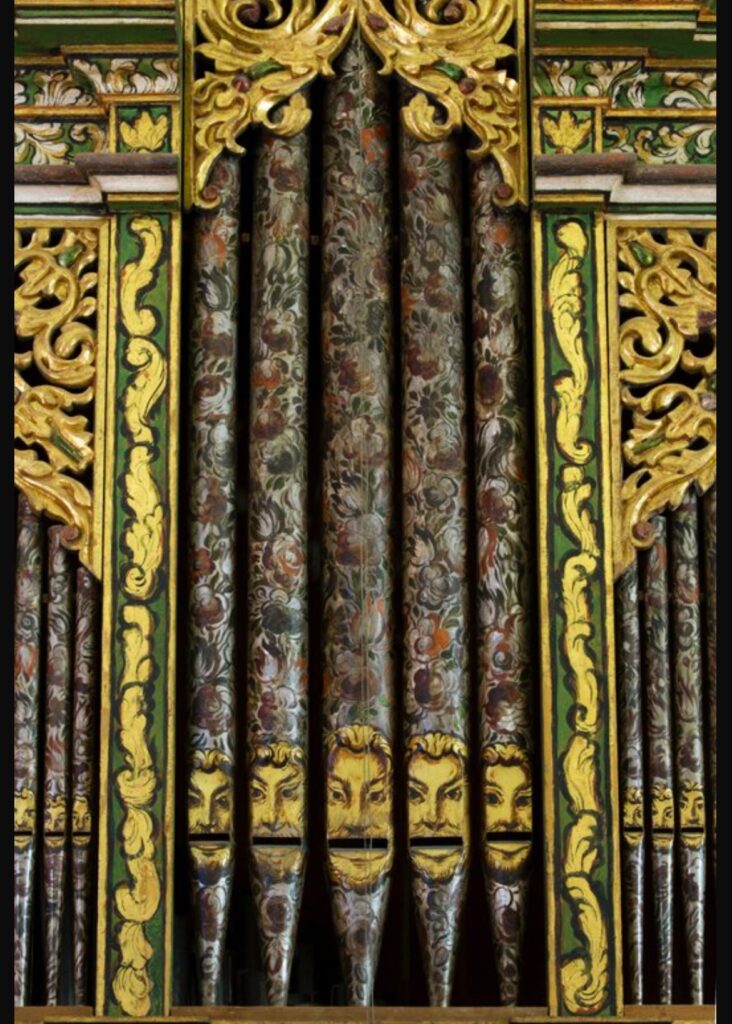
Los mascarones custodios adornan los tubos del magnífico órgano de Tlacochahuaya, cada vez que el órgano suena ellos nos cuentan una historia, un secreto, los misterios de los glifos entre los muros del templo.
Siguiendo la ruta Dominicana, en los valles centrales de Oaxaca, nos acercamos al templo y ex-convento de San Jerónimo Tlacochahuaya, con uno de los interiores y frescos más hermosos de esta ruta así como su órgano que imponente cobra vida, desde sus tubos que parecen observarnos con una mirada más allá del tiempo y el misterio de su esencia.
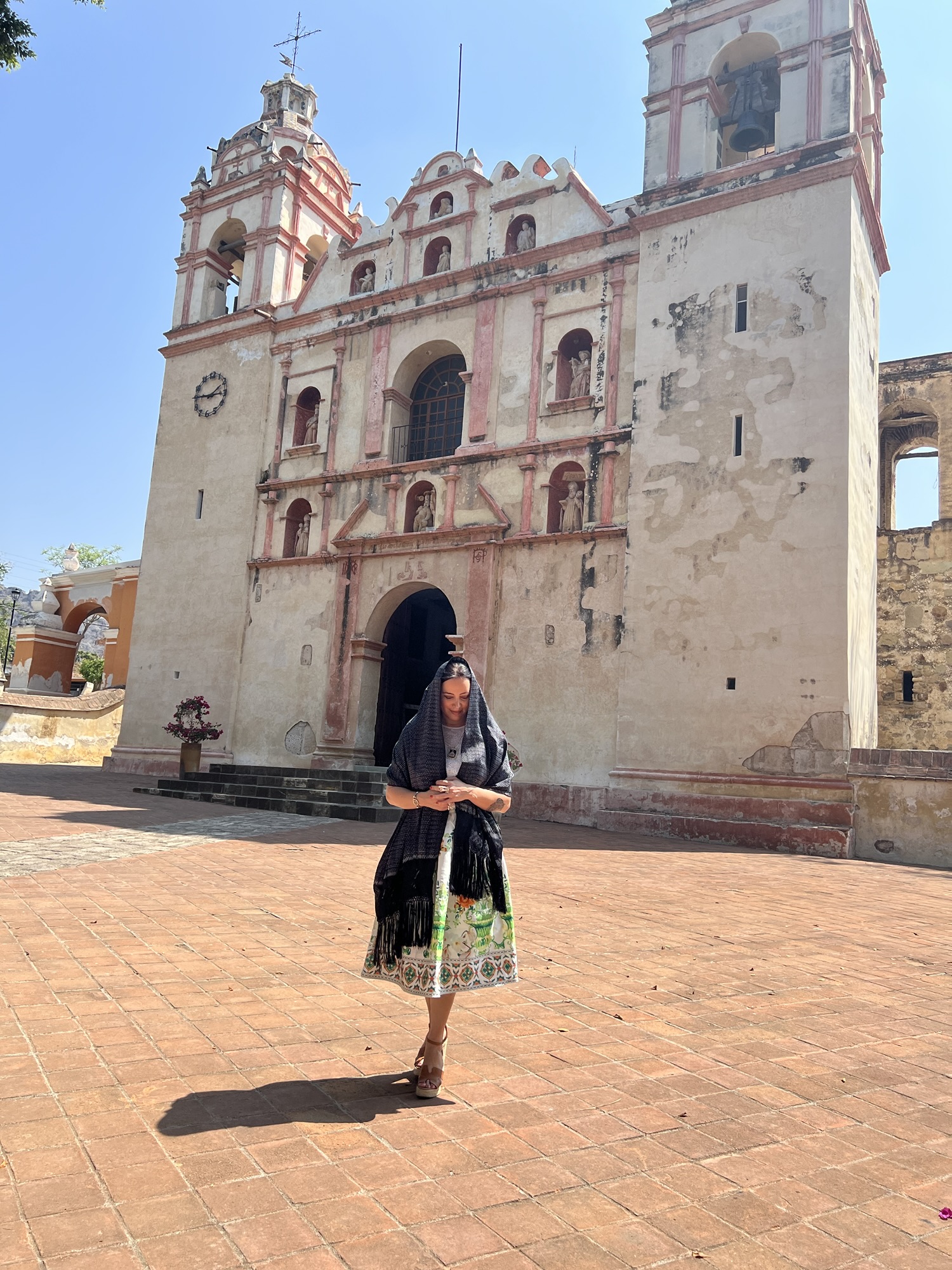
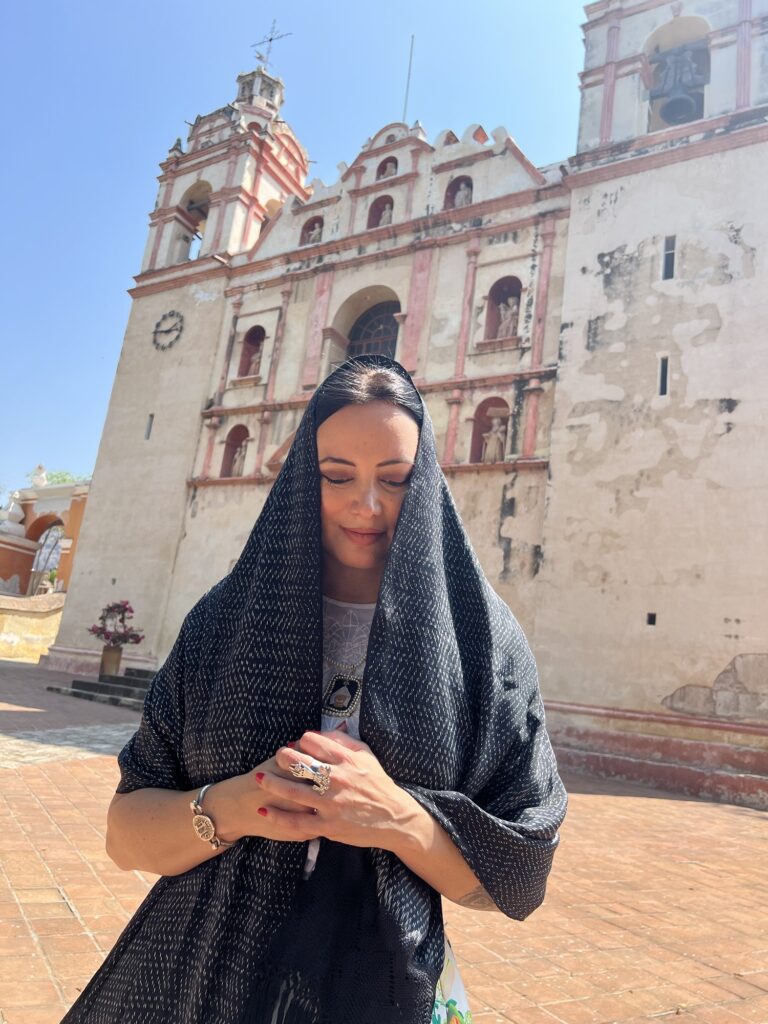
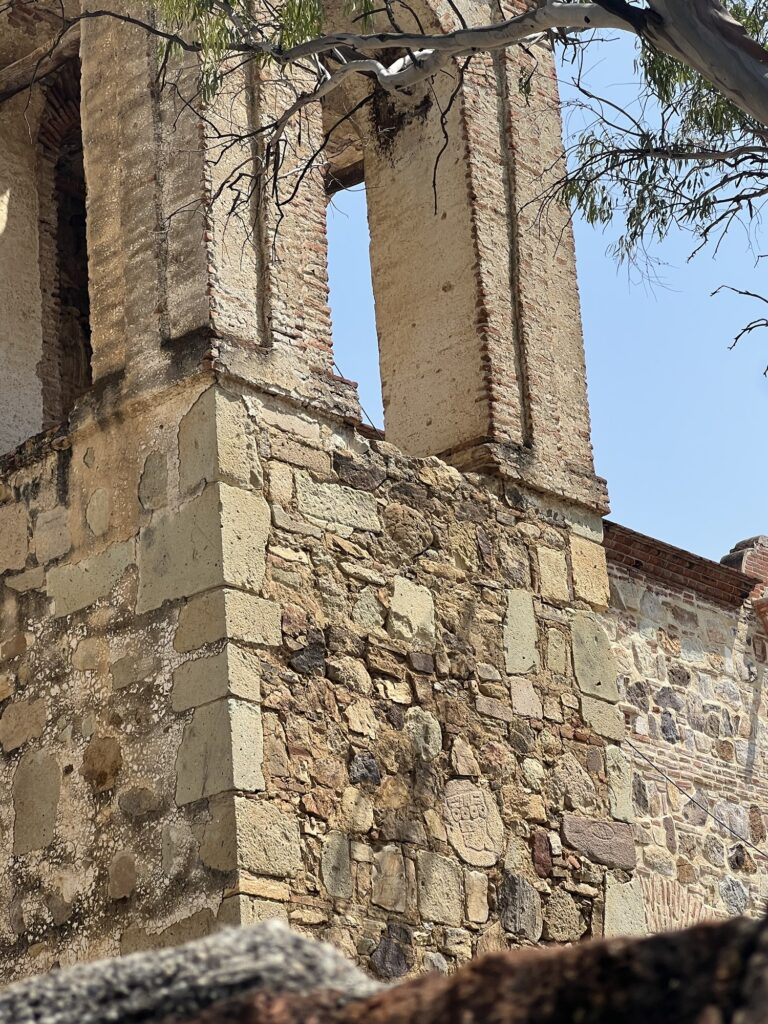
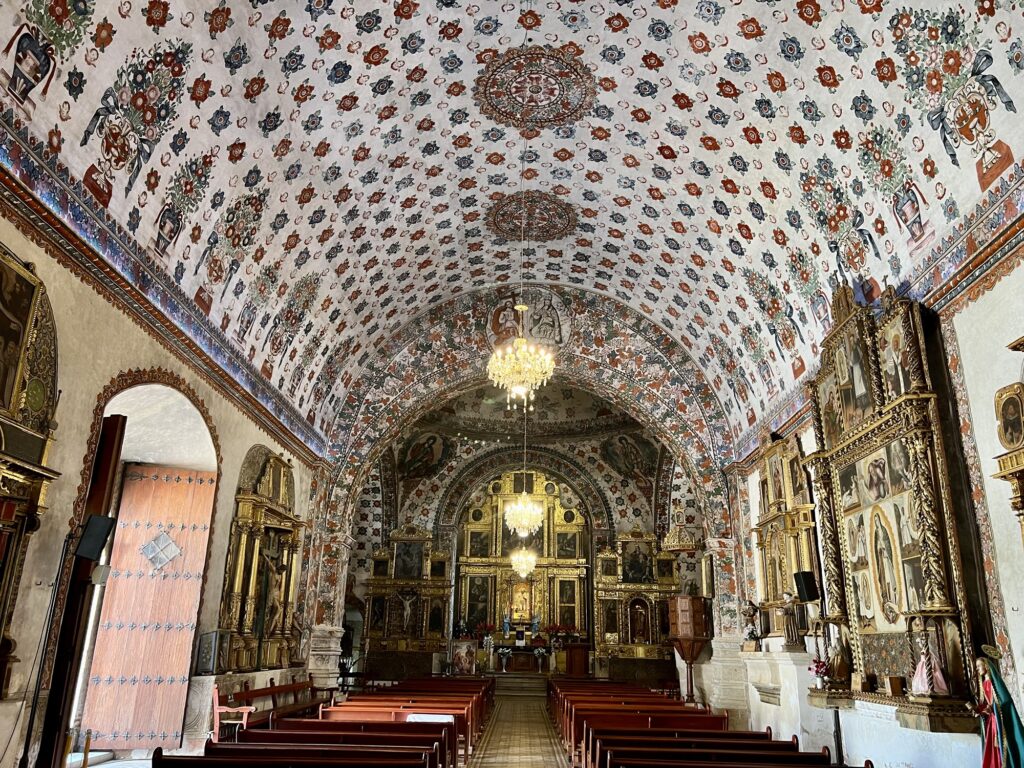
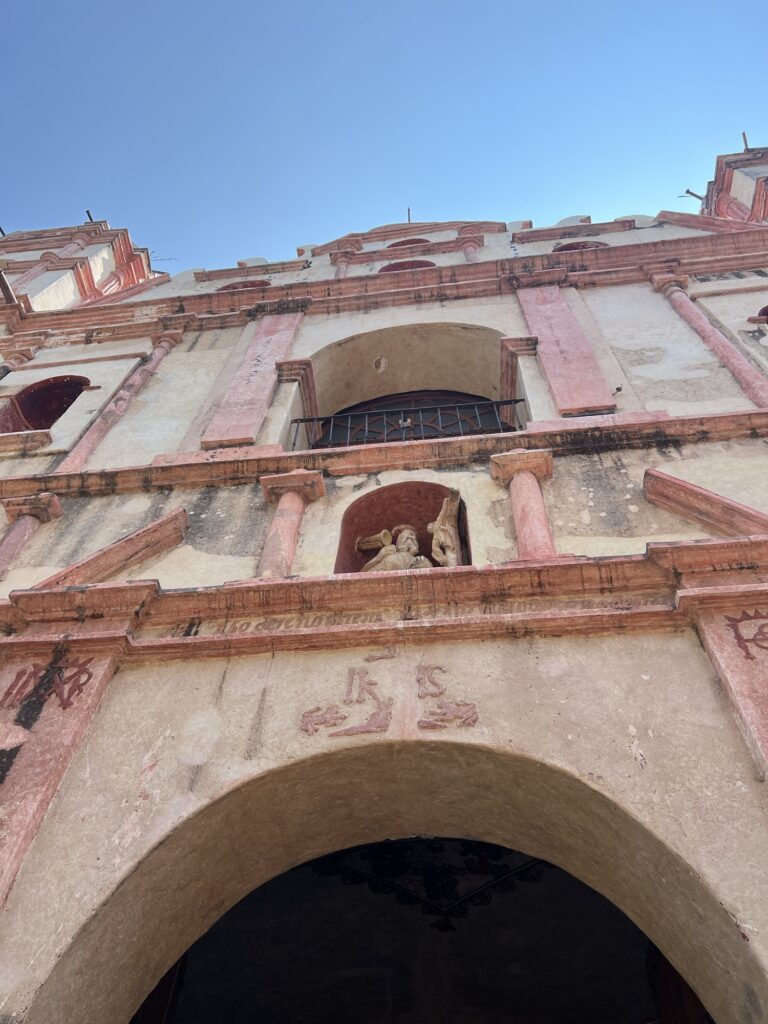
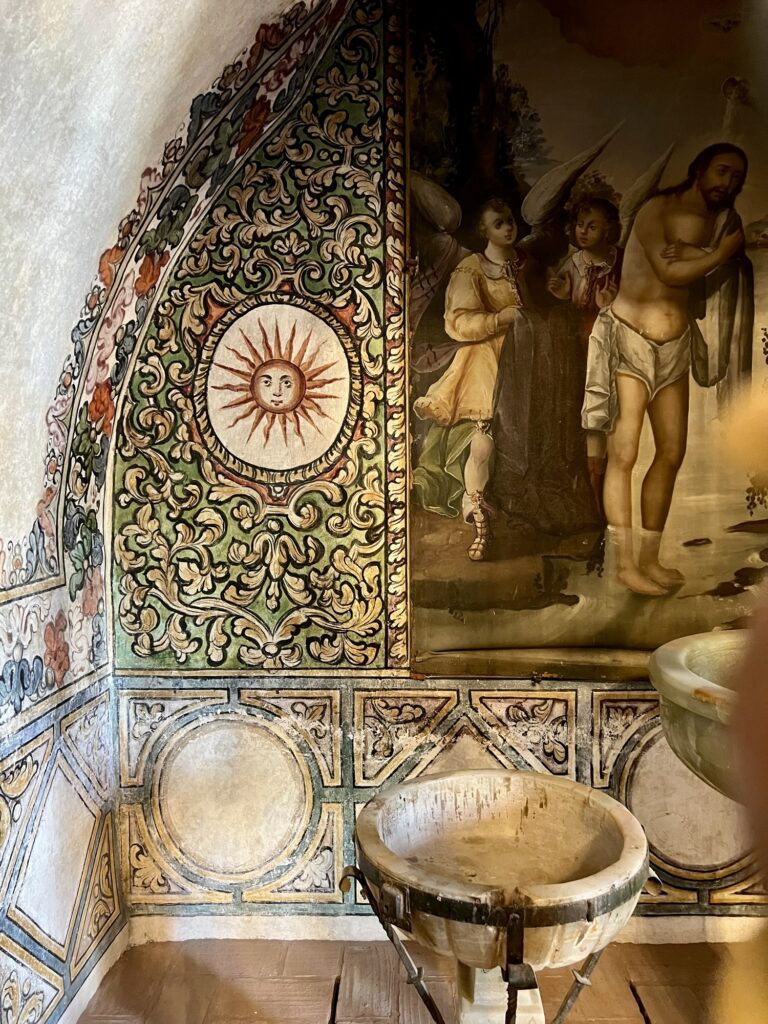
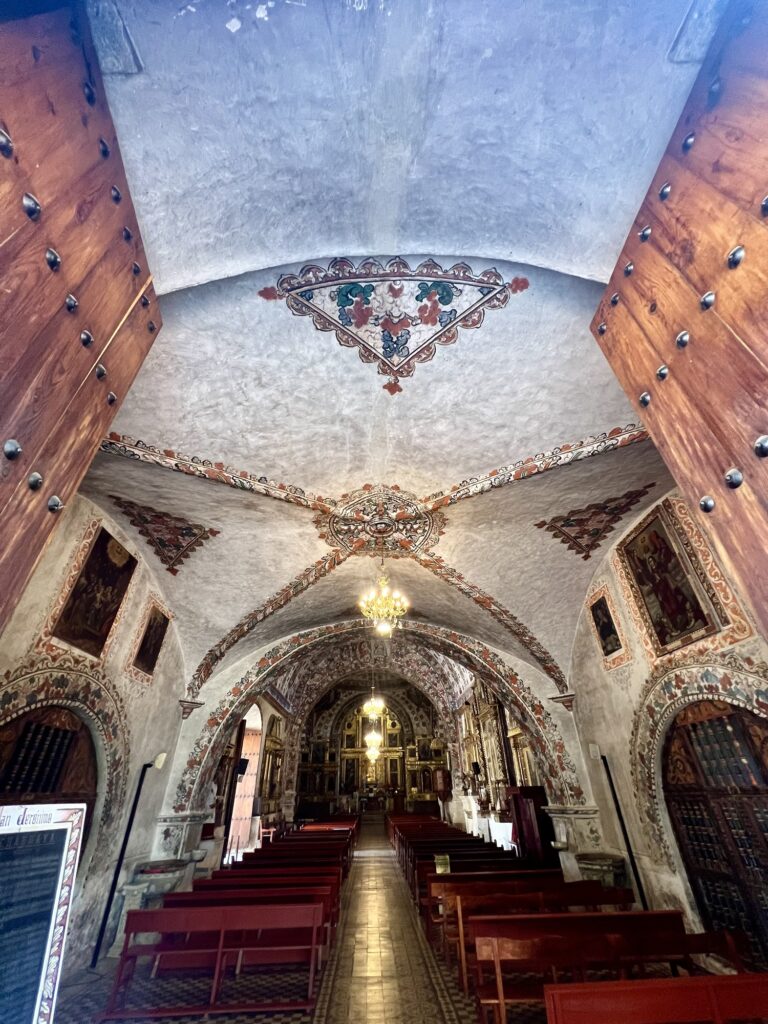
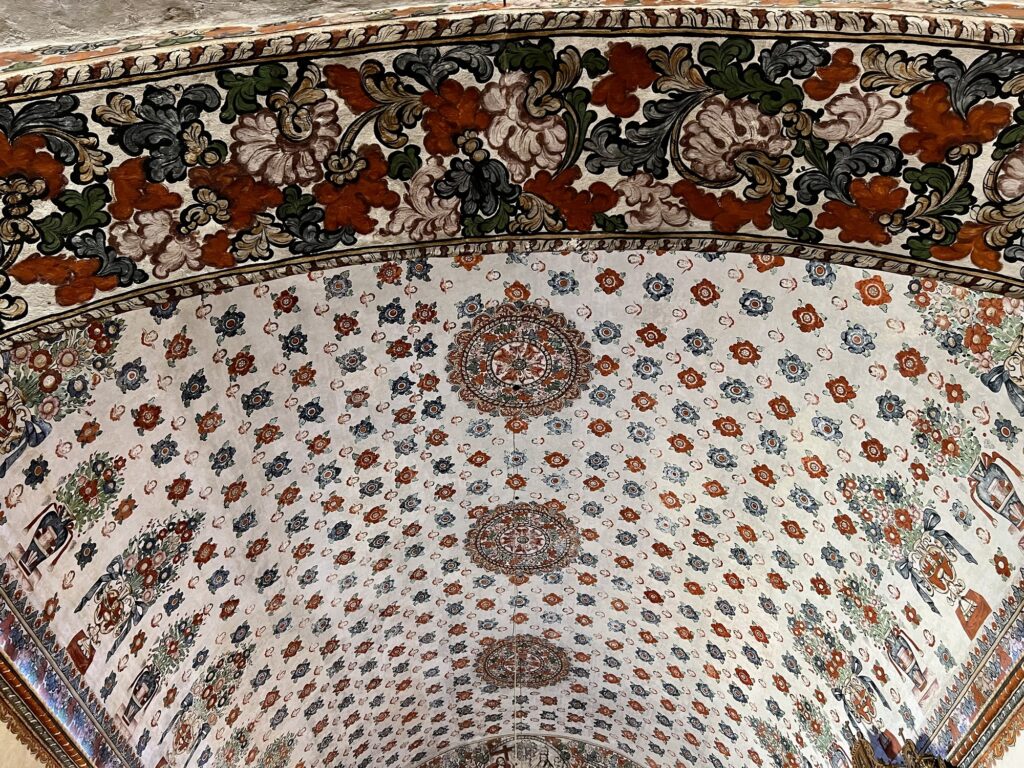
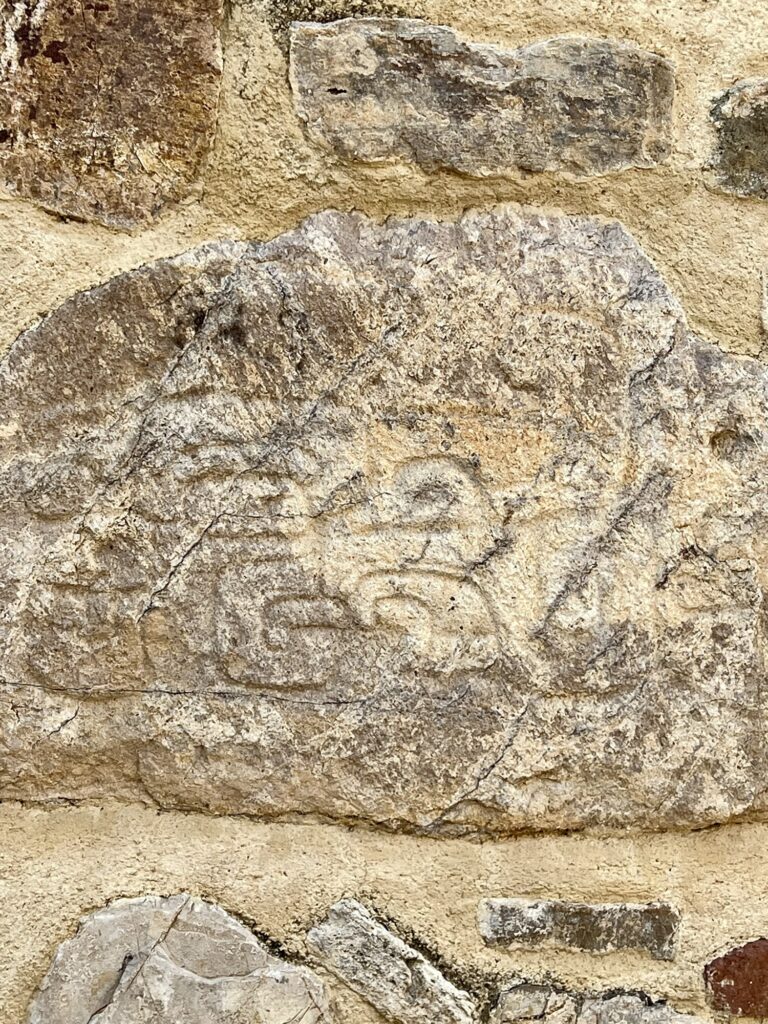
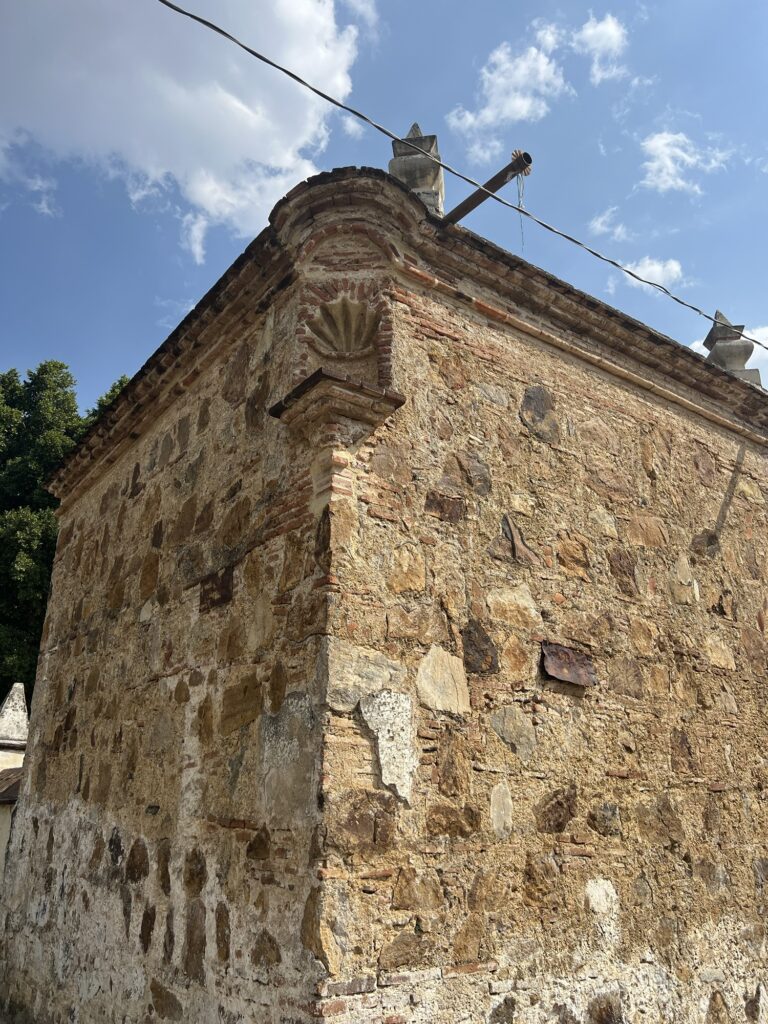
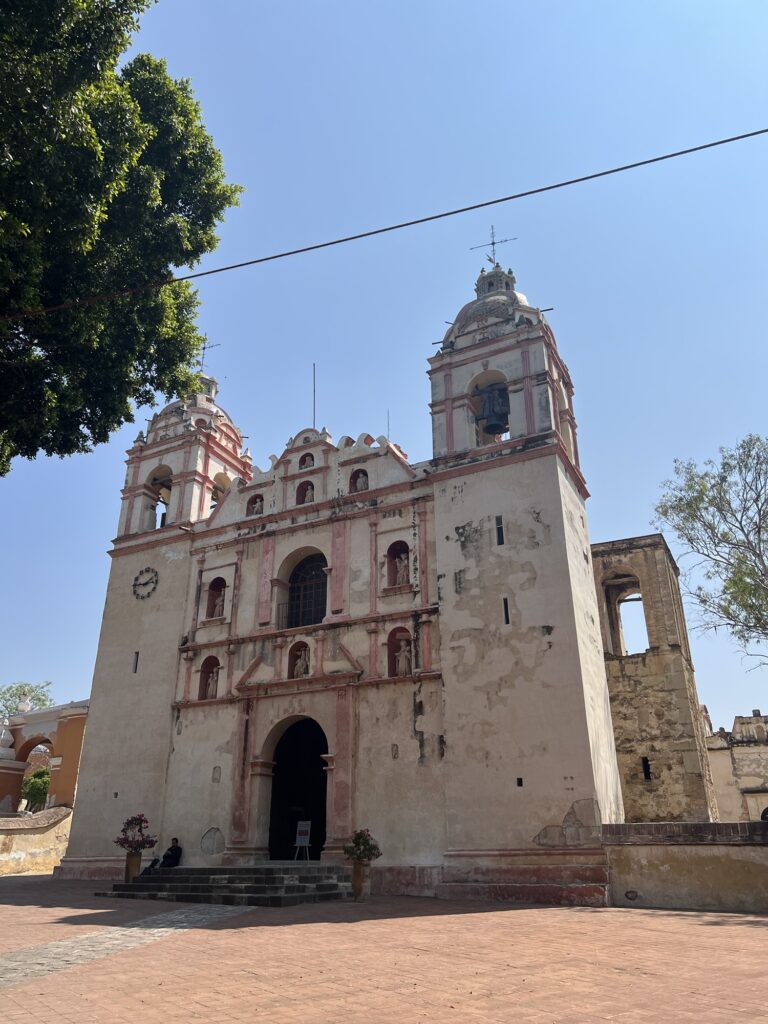
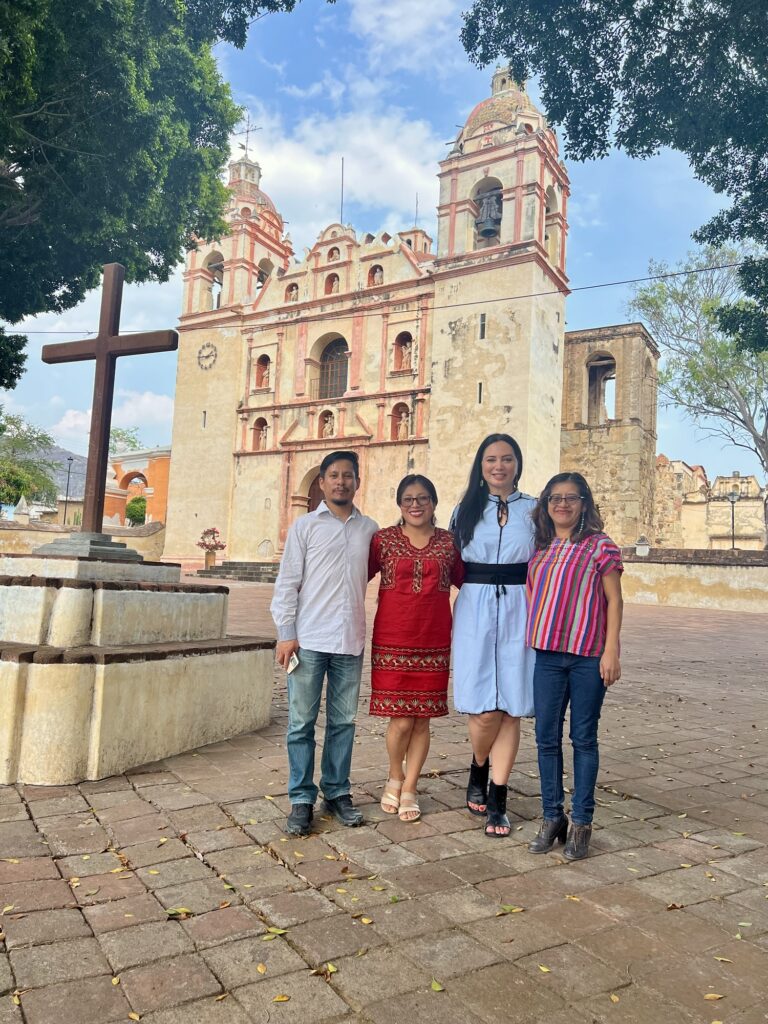
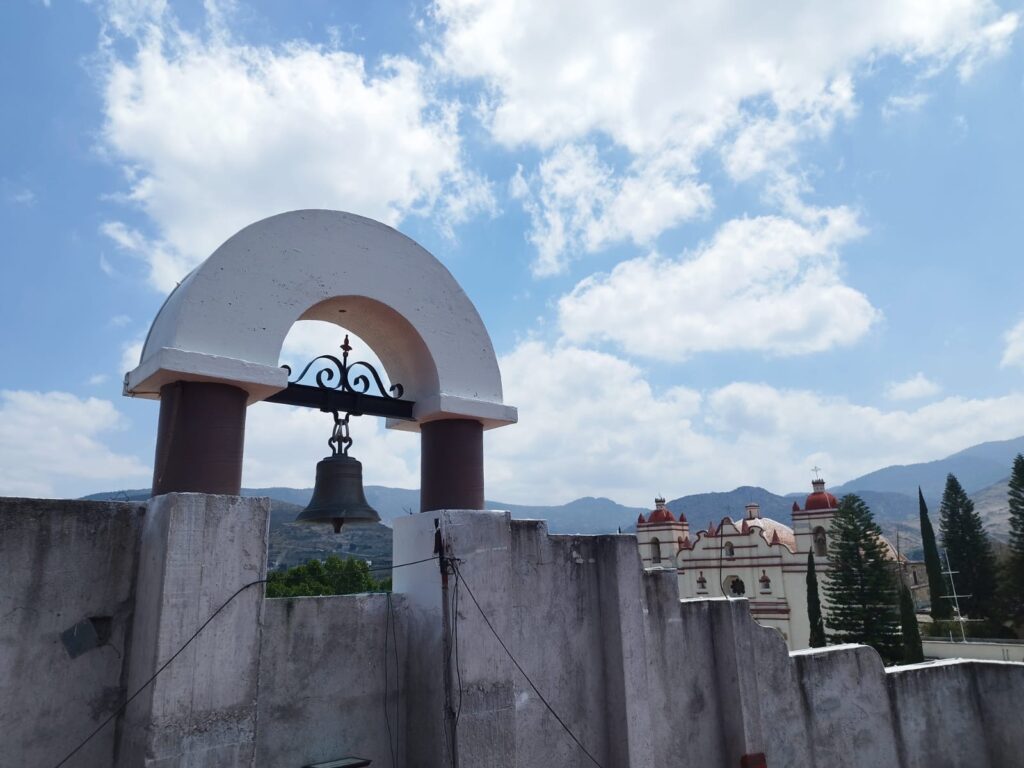
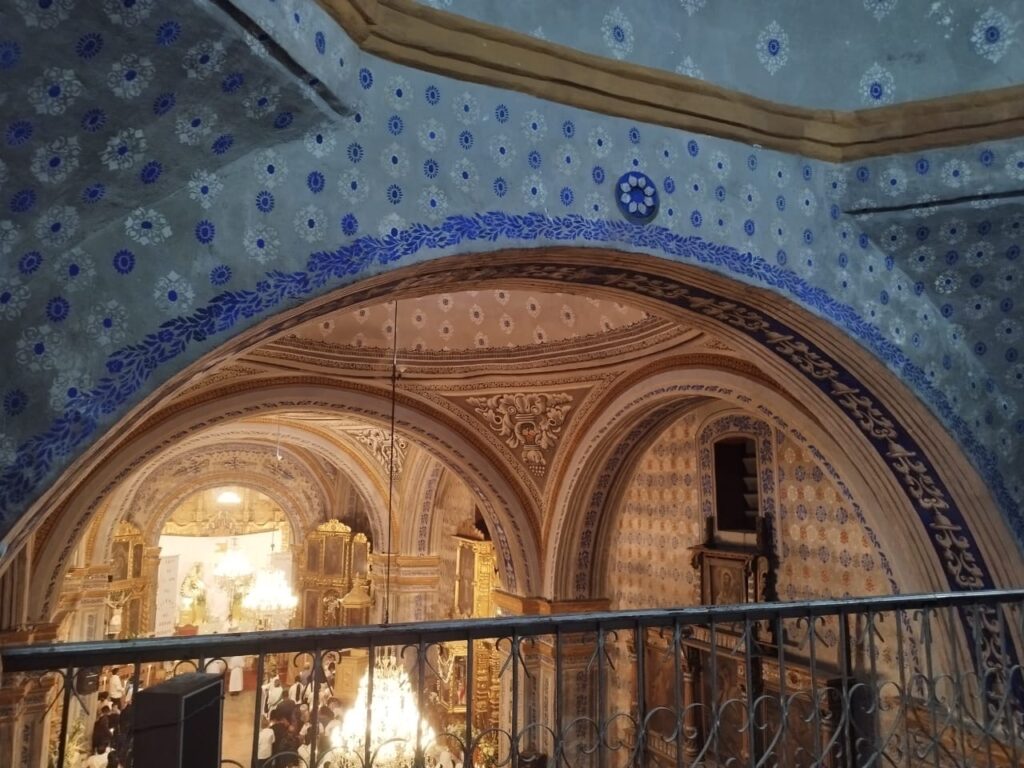
Montserrat Franco frente al templo y ex-convento de Tlacochahuaya Observa fijamente este muro del campanario del templo de Tlacochahuaya, dos glifos se encuentran allí como fiel testimonio de presencia Zapoteca a través de los siglos.Debido a su compleja serie de frescos y retablos, el templo de Tlacochahuaya ha sido nombrado como la “Capilla Sixtina Zapoteca” Fachada de la entrada principal del templo de San Jerónimo Tlacochahuaya Baptisterio con frescos restaurados en 1999, escena de San Juan El Bautista y el Rey Sol. Se atribuye a los artistas Zapotecos bajo la guía de los frailes Dominicos.Entrada al templo con su nave principal, los frescos muy particulares del arte en las cortes renacentistas Europeas El patrón de flores y jarrones, se destaca el color rojo carmesí el cual proviene de la grana cochinilla y el azul añil, tintes naturales utilizados en Oaxaca desde antes de la llegada Europea. Al observar detenidamente los muros del templo encontramos verdaderos testimonios de glifos Zapotecas. Detalle de un maguey en uno de los muros a la entrada principal que conduce al templo El Templo y Ex-Convento de San Jerónimo Tlacochahuaya. Ruta Dominica de los Valles Centrales de Oaxaca.
Orígenes
Tlacochahuaya se considera tradicionalmente fundada por un guerrero zapoteca llamado Cochicahuala, cuyo nombre significa “el que lucha de noche”.
Tras la llegada de los españoles, las tierras fueron otorgadas a Don Gaspar Calderón y la región fue evangelizada por la Orden Dominicana.
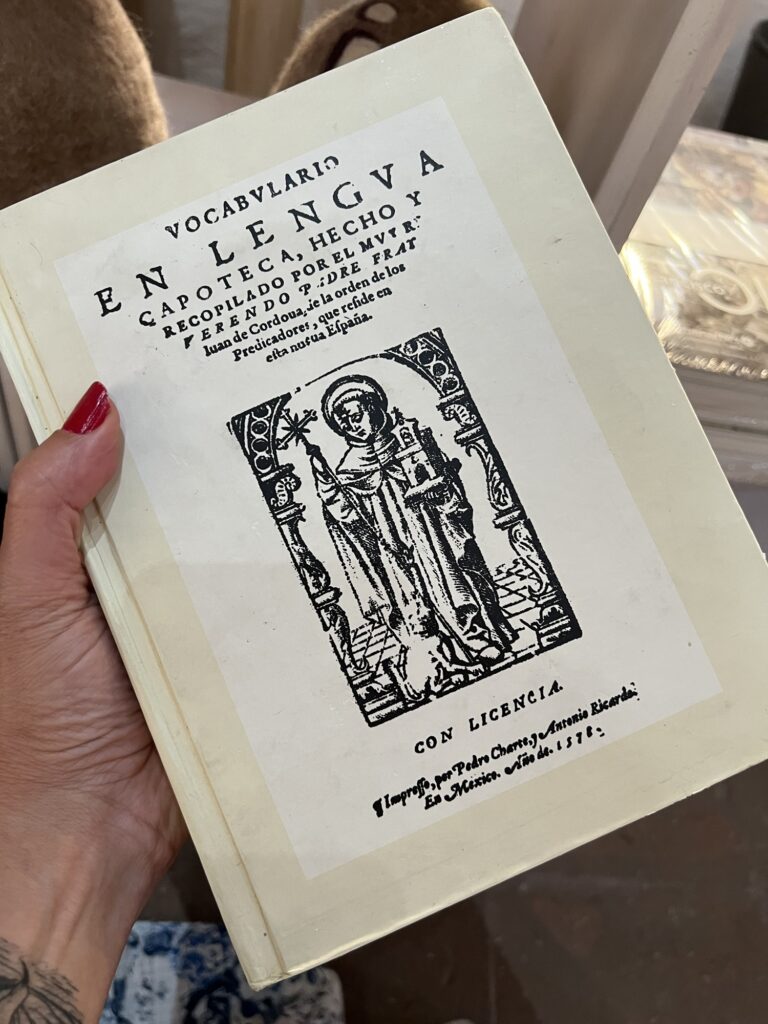
En 1558 se establecieron la iglesia y el convento de San Jerónimo, como un lugar de contemplación y sosiego para los frailes, fue allí donde Fray Juan de Córdova escribió posteriormente importantes obras sobre la lengua zapoteca, entre ellas una gramática y un vocabulario que siguen siendo fuentes fundamentales para el estudio de la cultura y el idioma zapotecos.
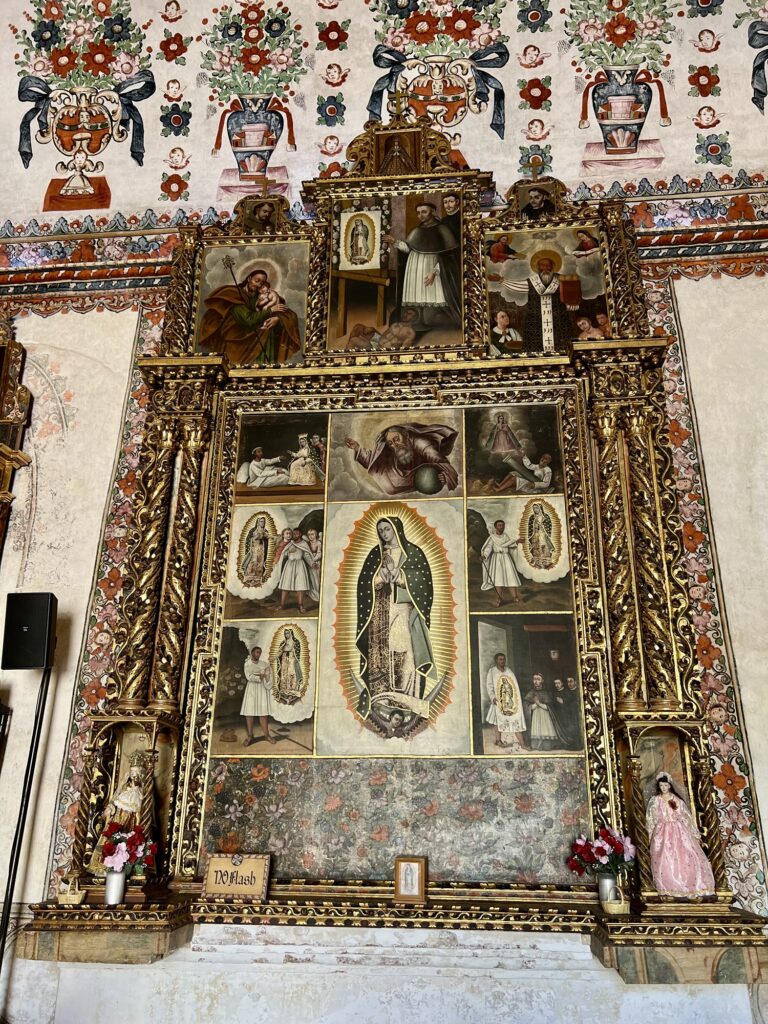
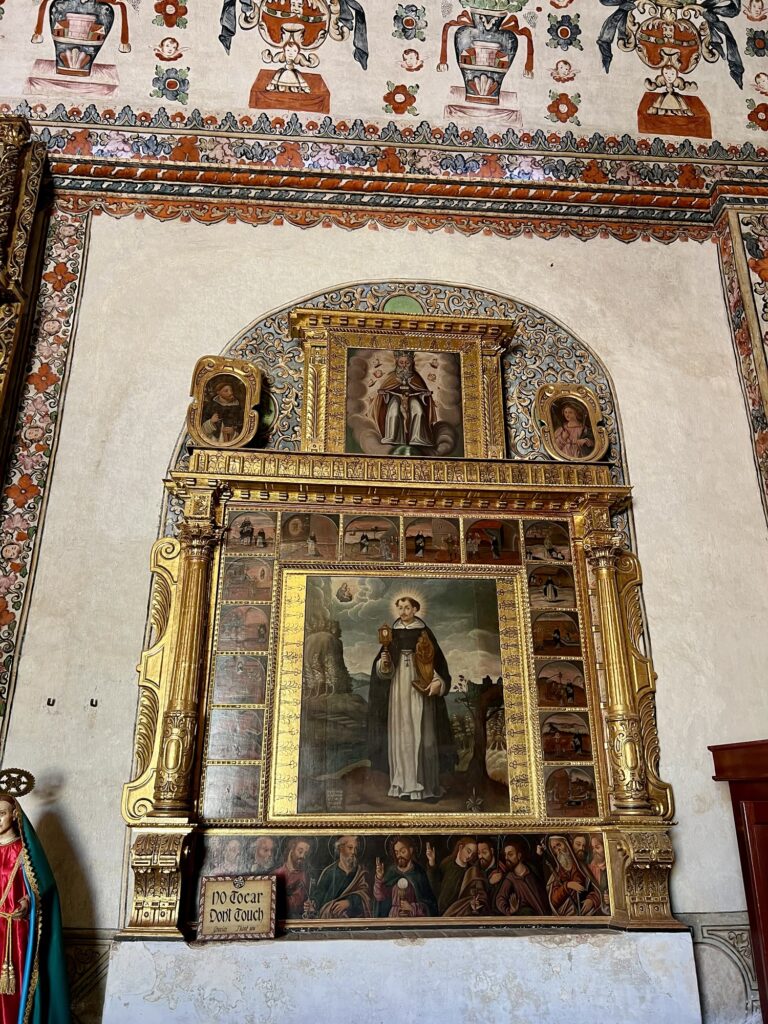
Retablo de la Virgen de Guadalupe que está sentada, en la aparición a Juan Bernardino, tío de Juan Diego. El retablo fué pintado por Joseph Nabarro, en el año de 1689, en el templo de San Jerónimo Tlacochahuaya. Retablos de Tlacochahuaya, con obras de manos indígenas y mulatos que el mismo Fray Francisco de Burgoa comparó con la de los grandes artistas Europeos. Fray Juan de Córdova (1503–1595) fue un fraile dominico español que desempeñó un papel fundamental en el estudio y la preservación de la lengua zapoteca durante el siglo XVI. Es considerado uno de los primeros lingüistas de la Nueva España.
Fray Juan de Córdova es reconocido por sus trabajos pioneros, especialmente el Arte en lengua zapoteca y el Vocabulario en lengua zapoteca, publicados en 1578.
El Templo y su magnífico órgano
Una característica que distingue particularmente a los órganos históricos de Oaxaca son las protuberancias redondeadas en los laterales de la caja inferior, se conocen como “caderas”.
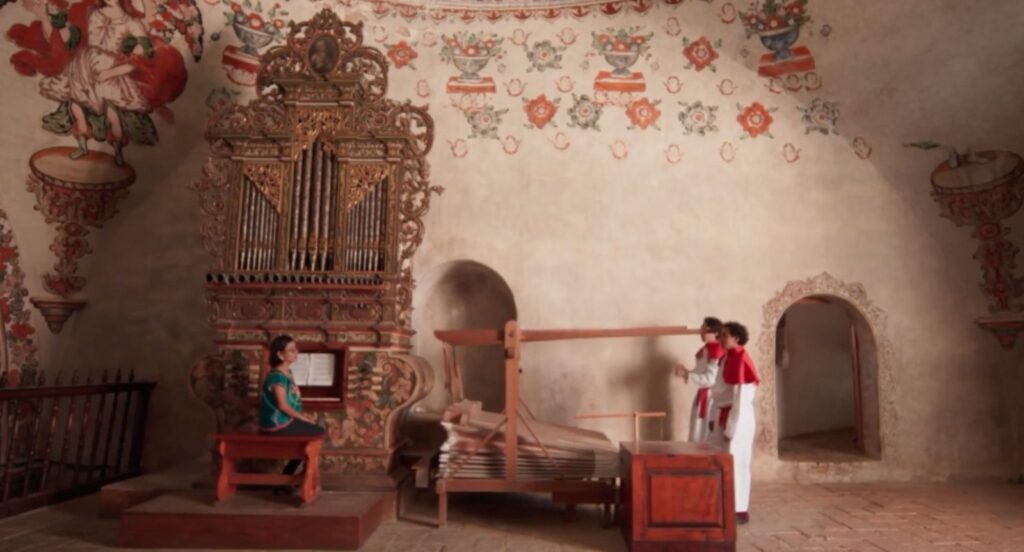
Construido en 1558, es uno de los más hermosos y también uno de las más enigmáticos en el arte y la historia de la música barroca de Oaxaca, con su magnífico órgano construido alrededor de 1735, el cual sigue siendo ejecutado bajo la tutela de la organista: Dra Soledad Hernández, hija de Tlacochahuaya.
Las protuberancias redondeadas en los laterales de la caja inferior del órgano se conocen como “caderas”, esta es una característica particular de los órganos históricos de Oaxaca.
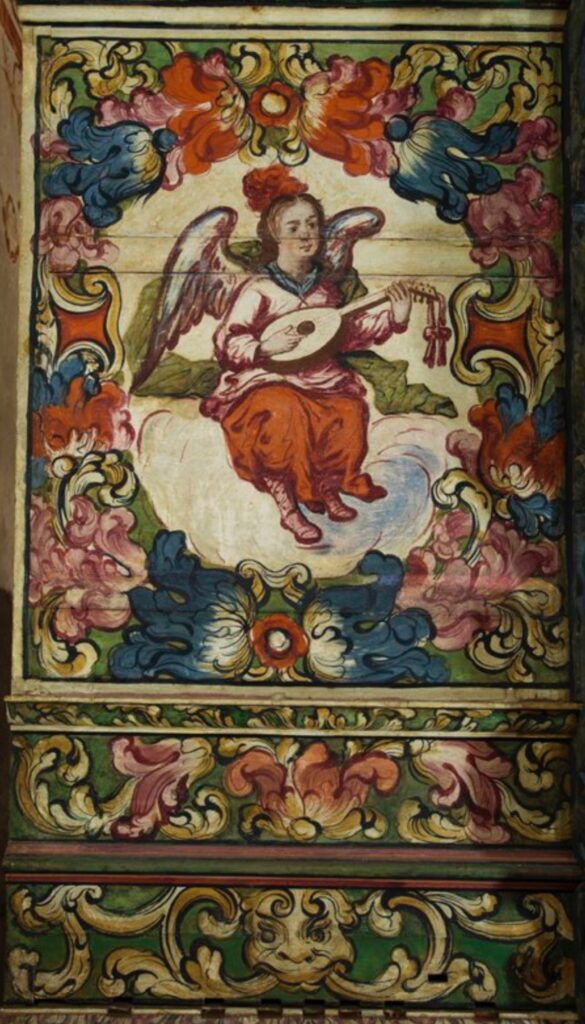
Foto cortesía de la Dra Soledad Hernández, orgullosamente nacida en Tlacochahuaya, custodia del órgano y cofundadora del Festival Oaxaca Barroca. Los mascarones custodios adornan los tubos del magnífico órgano de Tlacochahuaya, cada vez que el órgano suena ellos nos cuentan una historia, un secreto.Un ángel músico forma parte de la serie de óleos originales en el órgano de Tlacochahuaya, es también la imagen del Festival Oaxaca Barroca.Con los Maestros Tonatihu y Maricarmen González, ambos docentes del Cecam y fundadores junto a la Dra Soledad Hernández, del Festival Oaxaca Barroca.
En 1999 los trabajos de restauración fueron apoyados por la Fundación Alfredo Harp Helú, con la cual se ha logrado restaurar 7 retablos, 81 pinturas, 7 esculturas, las fachadas principal y lateral, la iluminación del templo y el atrio.
Experiencias Gastronómicas y Textiles
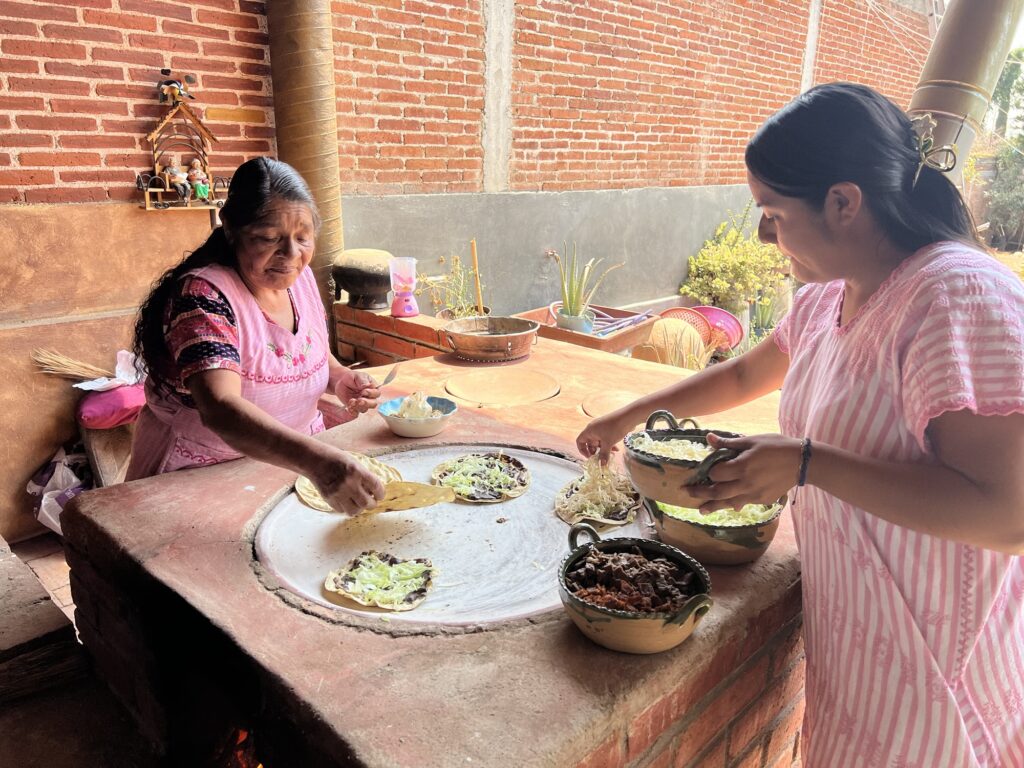
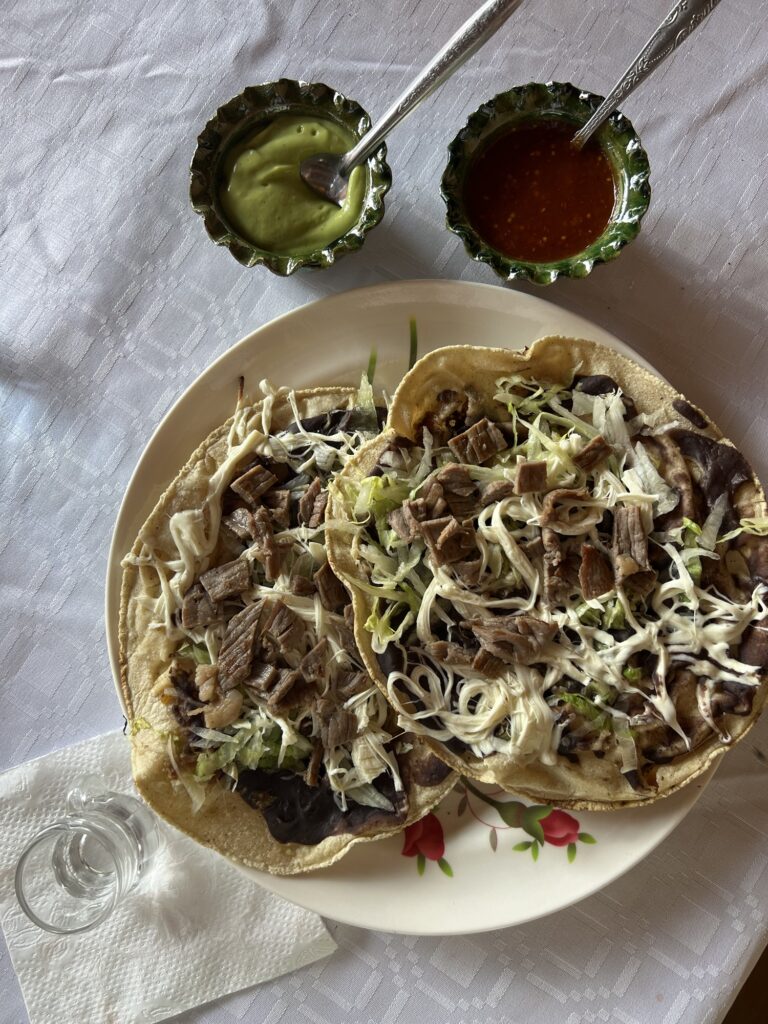
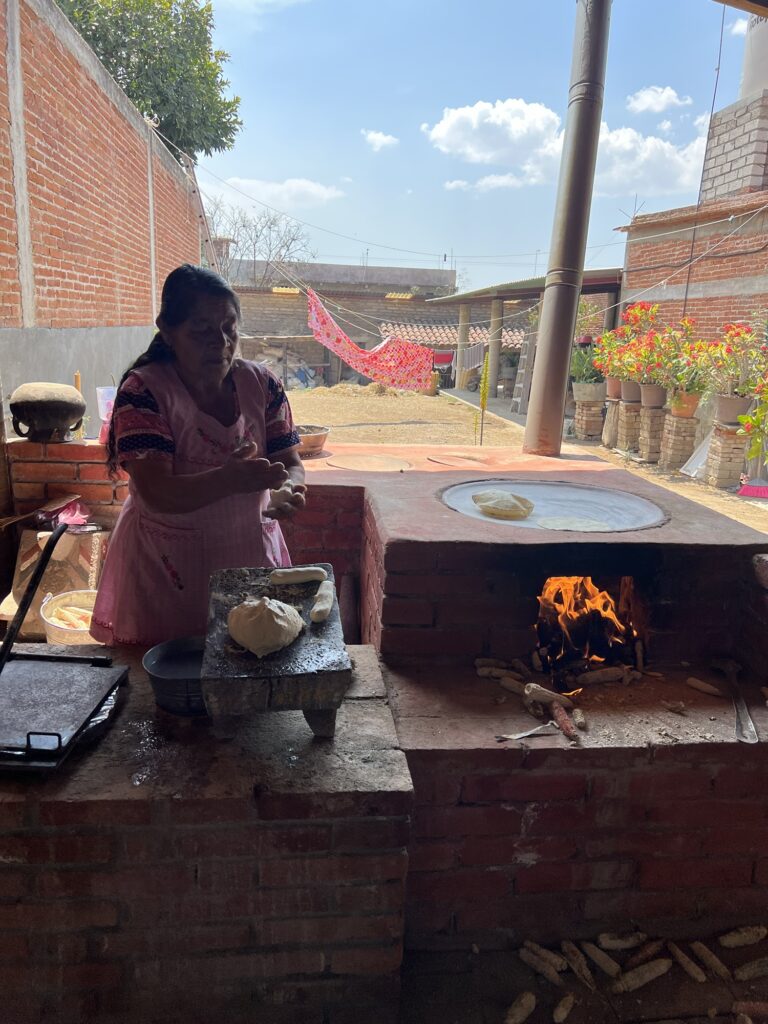
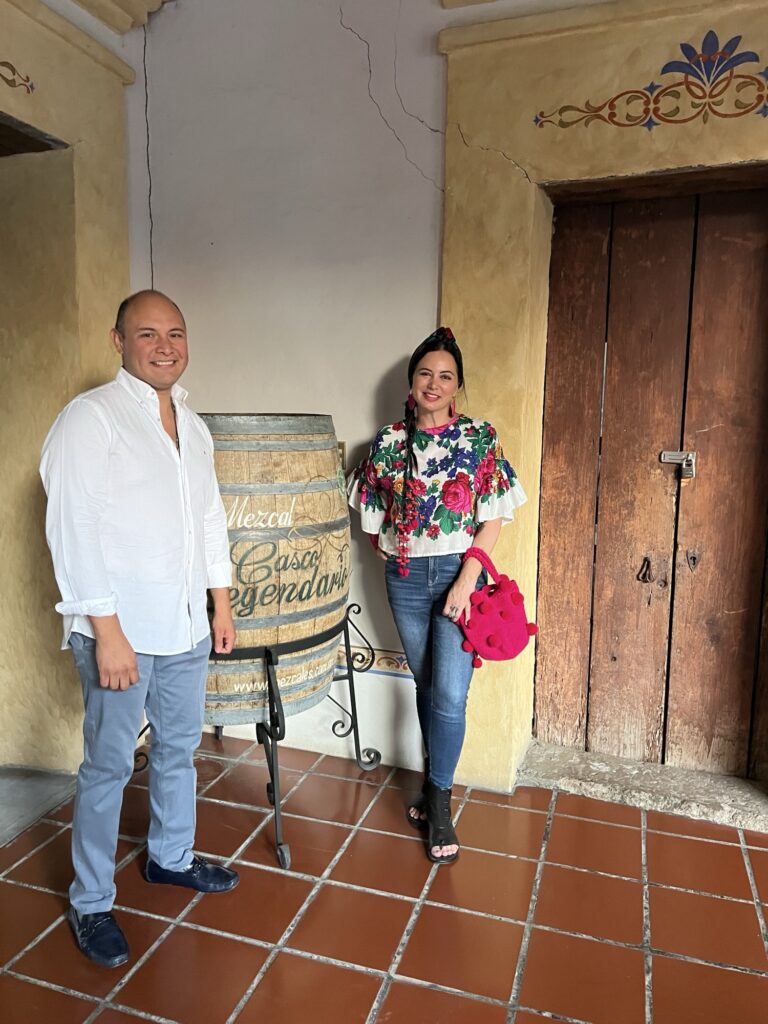
Cuando visites Tlacochahuaya, no dudes en agendar con tiempo una experiencia familiar y gastronómica en la cocina Bel Cuan de Jess Guzmán, a solo pasos de la Iglesia, Jess y su madre nos preparan en su cocina de humo: memelitas, tlayudas, quesadillas de flor de calabaza y otros antojitos Oaxaqueños deliciosos, chocolate caliente con panecillos de yema y no puede faltar un Mezcal Tobala para terminar un día maravilloso.
Jess también promueve los textiles Oaxaqueños desde su proyecto Rilarte y puedes adquirir con ella piezas únicas como huipiles en telar de cintura de San Juan Colorado y los famosos vestidos Sirena de San Juan del Río, los cuales tienen una historia muy interesante:
Cuando llegan los españoles al valle de Tlacolula, los nativos Zapotecas se fijaron en las camisas holgadas que estos llevaban, con mangas abultadas y cuellos que se podían cerrar con dos lazos o dejar abiertos. Ellos recrearon estas blusas y con el tiempo las hicieron propias, tejiendo vestidos que luego fueron popularmente llamados “Sirena” una de sus artesanas más reconocidas es la Maestra Vicky Martínez, quien a través de su colectivo de artesanas continúa creando para diseñadoras locales e internacionales.
Los vestidos Sirena, se caracterizan por la unión de crochet entre las mangas, cuello y pliegues.
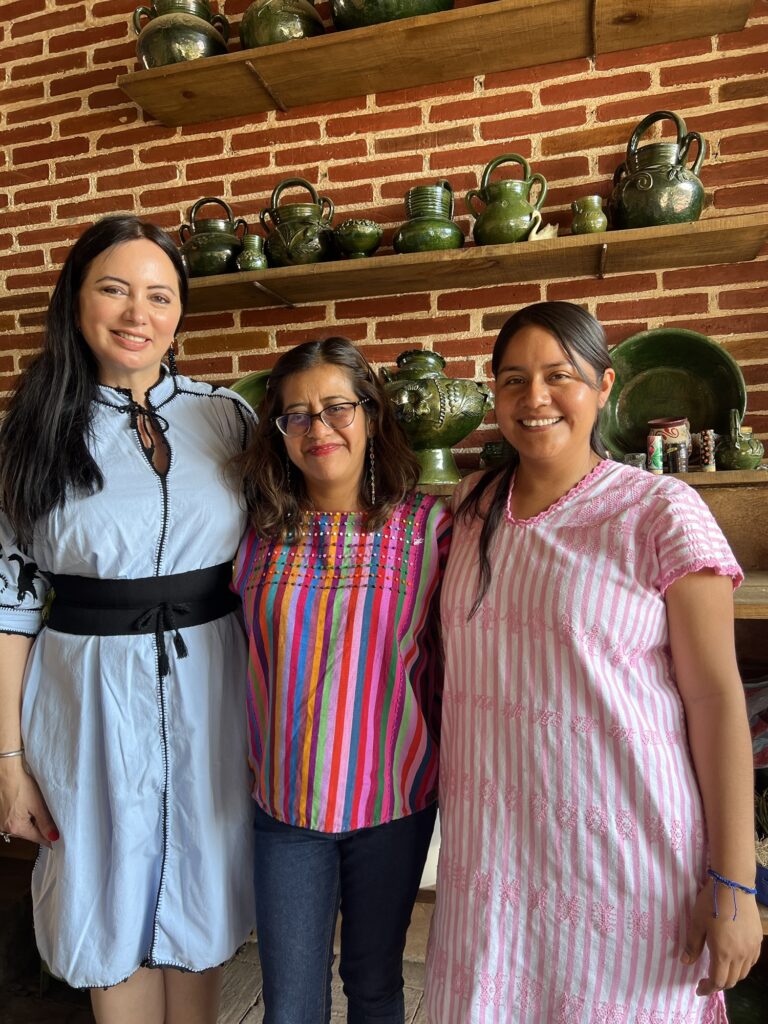
Jess y su madre preparan tlayudas en su cocina familiar Bel Cuan.Tlayudas recién hechas en Bel Cuan, acompañadas de salsitas y mezcal En la cocina de humo de Bel Cuan, todos los ingredientes se preparan al momento, las tortillas se amasan y se ponen al comal.Montserrat Franco con vestido Sirena de San Juan del Río, la Dra Soledad y Jess Guzmán con un huipil de la colección Rilarte.
Puedes ver el video completo de “Adorote Devote” de Santo Tomás de Aquino con la composición musical de mi padre José N. Franco Alderete, interpretado por su servidora, Montserrat Franco filmado en San Jerónimo Tlacochahuaya por mi gran amigo Manuel Torres Vargas, miembro fundador de la Unión de Periodistas Oaxaqueños (Stir Televisión) y Jesús David Franco Riquelme aqui
Agradecimientos especiales al pueblo de Tlacochahuaya, a los sacristanes y custodios del templo, a la Dra Soledad Hernández, organista y co-fundadora de Oaxaca Barroca, por estos años de amistad y sueños, mi admiración siempre por todo lo que representa esta historia, la resiliencia de su pueblo y sus antepasados, su legado y su preservación.
Bibliografía:
Flowers and Floral Imagery in New Spain’s Visual Production and Religious Spaces. James Cordova. Presented at The 84th Annual Meeting of the Society for American Archaeology, Albuquerque, NM. 2019 ( tDAR id: 450456)
Miller, Arthur. 1995. The Painted Tombs of Oaxaca, Mexico: Living with the Dead. Cambridge University Press, Cambridge.
Montiel Ángeles, Alma Zaraí, López, Víctor Manuel Zapien, and Winter, Marcus. 2014. La arqueología del istmo oaxaqueño: Patrones de asentamiento, comunidades y residencias. En Panorama Arqueológico: Dos Oaxaca, editado por Winter, Marcus y Santiago, Gonzalo Sánchez, pp. 197–244. Instituto Nacional de Antropología e Historia, CONACULTA, Oaxaca de Juárez, México.
Un viaje al país de las nubes, entre bandas filarmónicas, compositores, fiestas y mezcal
Adentrarse en la sierra Norte de Oaxaca es vivir una experiencia cultural única, más aún si es posible visitar sus pueblos mancomunados y villas, durante sus festividades religiosas, muy arraigadas a la vida comunitaria, así como el desfile de sus bandas filarmónicas, en audiciones que nada tienen que envidiar en nivel compositivo e interpretativo a las mejores orquestas Europeas.
En la cosmovisión Zapoteca de la Sierra “Bene Xhon” se reconoce su fuerte sentido de comunidad, su riqueza lingüística, su tradición musical y su profunda conexión con las montañas de la Sierra Norte de Oaxaca.
Y así entre profundos bosques de pino y encino, y sinuosos caminos llegando alrededor de 3,200 metros sobre el nivel del mar, empezamos la ruta desde las Cuajimoloyas.
San Antonio Cuajimoloyas:
Según la tradición local, el nombre Cuajimoloyas significa “mole cuajado en ollas”. Los primeros pobladores prepararon mole para las festividades de Día de Muertos, pero el intenso frío de la montaña hizo que se cuajara, dando origen al nombre del pueblo.
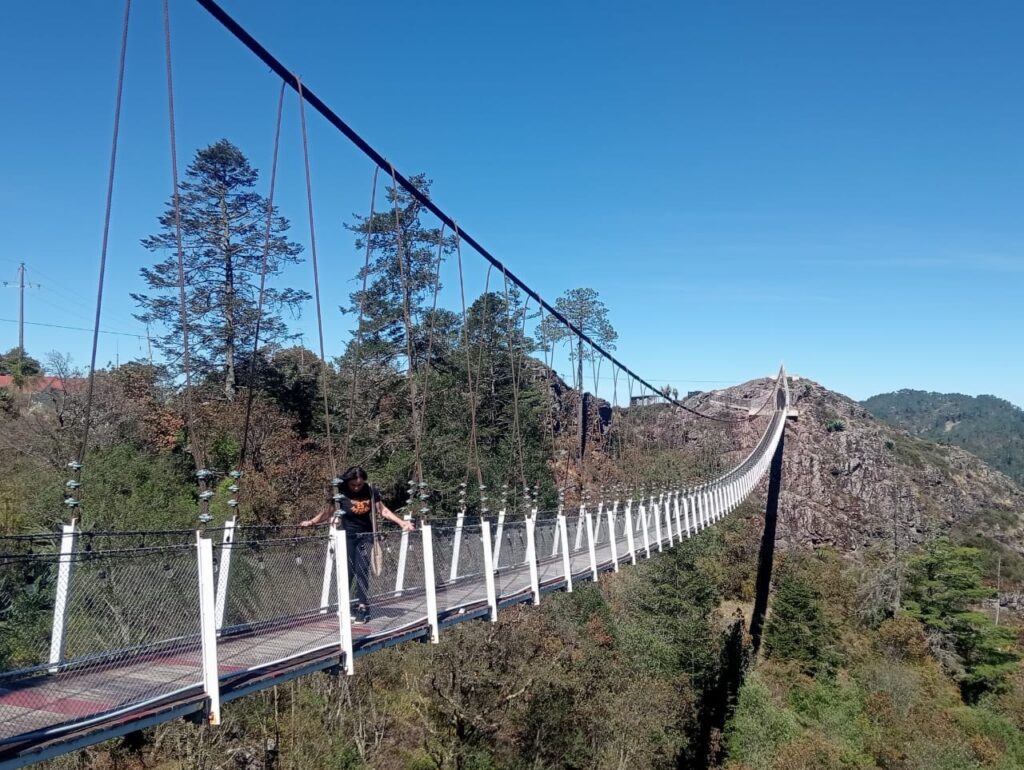
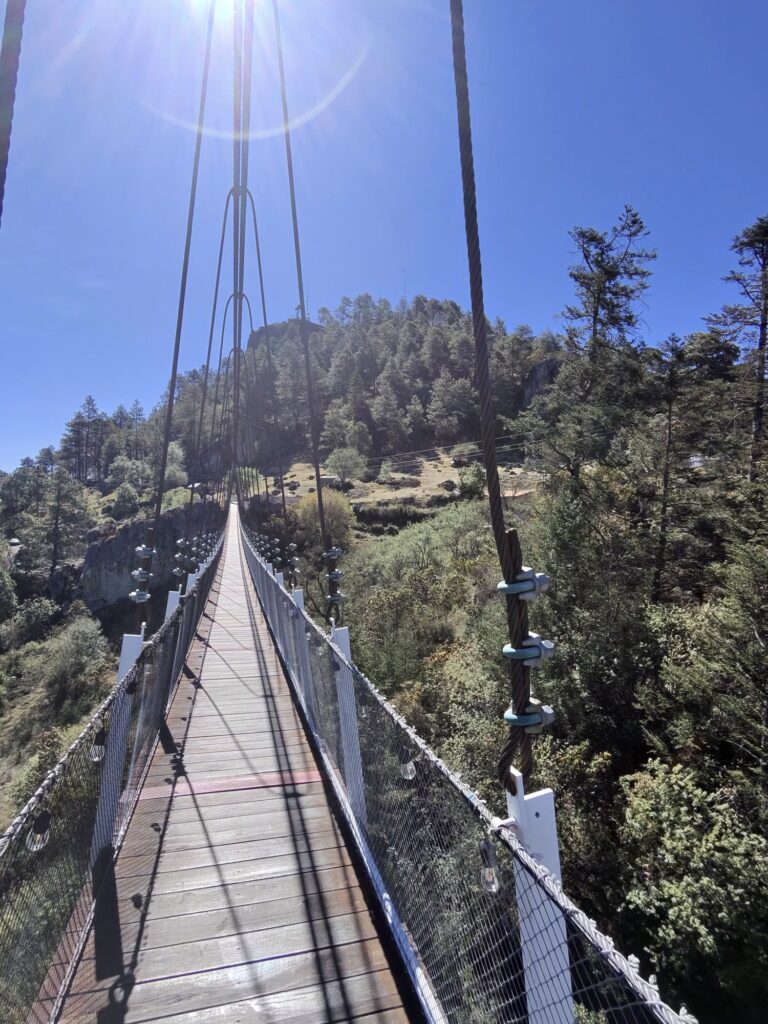
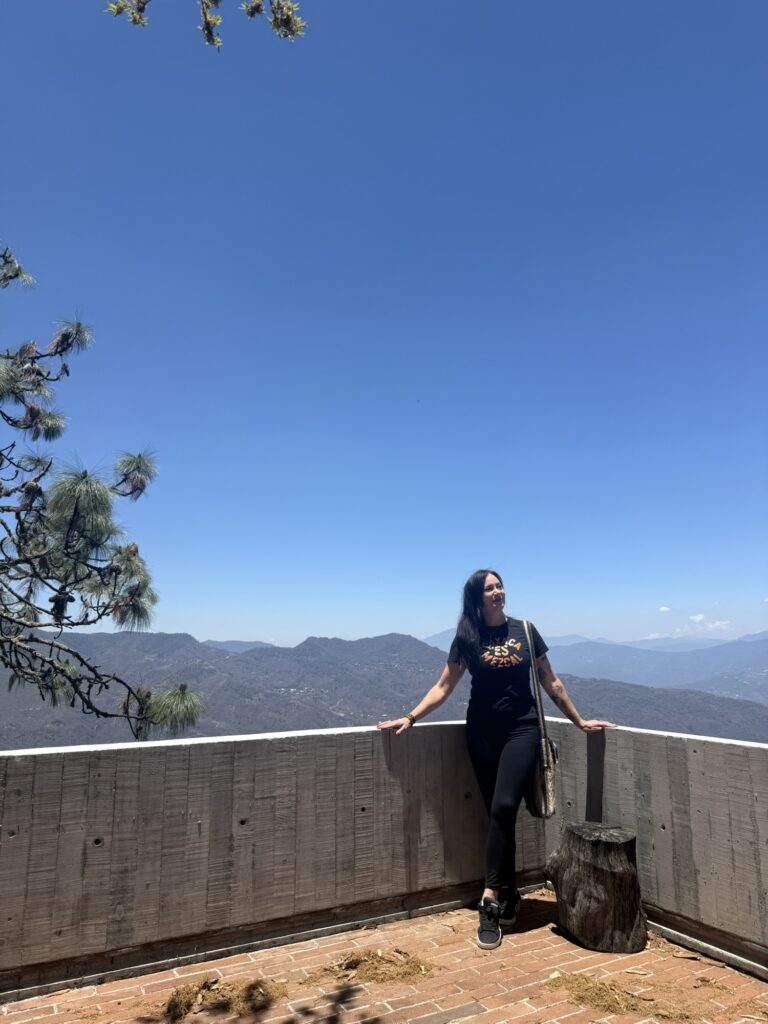
Entre sus atractivos principales, se encuentra el complejo turístico comunitario yEl mirador Yaa-Cuetzicuyo nombre en zapoteco suele interpretarse como “cerro de observación” o “lugar para mirar a lo lejos”.
El puente colgante tiene aproximadamente 137 metros de longitud y está suspendido sobre una cañada rodeada de bosques de pino y encino.
Cabe destacar también la inmensa riqueza micológica de los Cuajimoloyas, la cual está ligada al cuidado del bosque. Para sus habitantes, los hongos son esenciales para la salud de los ecosistemas, ya que ayudan a descomponer materia orgánica y mantienen el equilibrio natural. Por ello, la recolección suele realizarse de manera responsable para proteger la biodiversidad.
Con más de un centenar de especies, estos hongos pueden tener usos gastronómicos y medicinales, muchas especies aún por clasificar.
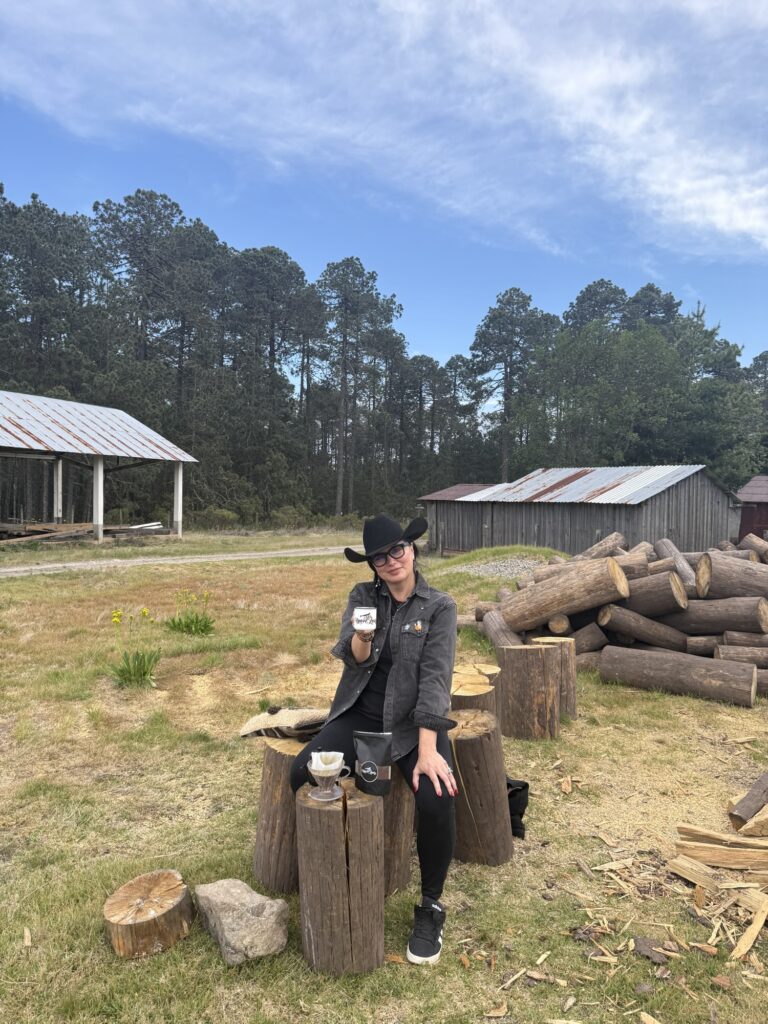
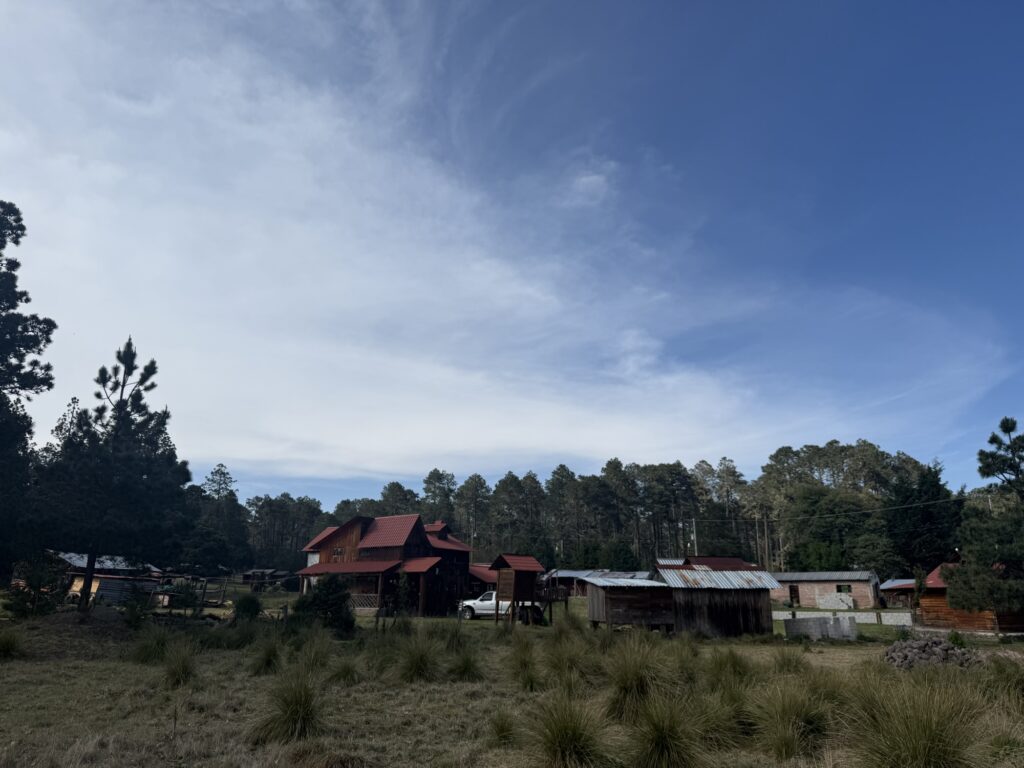
Parada en Rally Cafe, Llano Grande para degustar un café serrano de altura Cuajimoloyas: Puente colgante Yaa-Cuetzi Cabañas en Llano Grande, Sierra Norte, Oaxaca A más de 3,200 metros de altitud sobre el nivel del mar, Cuajimoloyas es uno de los puntos más altos accesibles para el ecoturismo en Oaxaca. El puente colgante y mirador Yaa-Cuetzi, permite contemplar por las mañanas vistas panorámicas espectaculares, mientras que por la tarde la neblina convierte el lugar en un paisaje casi mágico entre las nubes.
San Pedro Cajonos
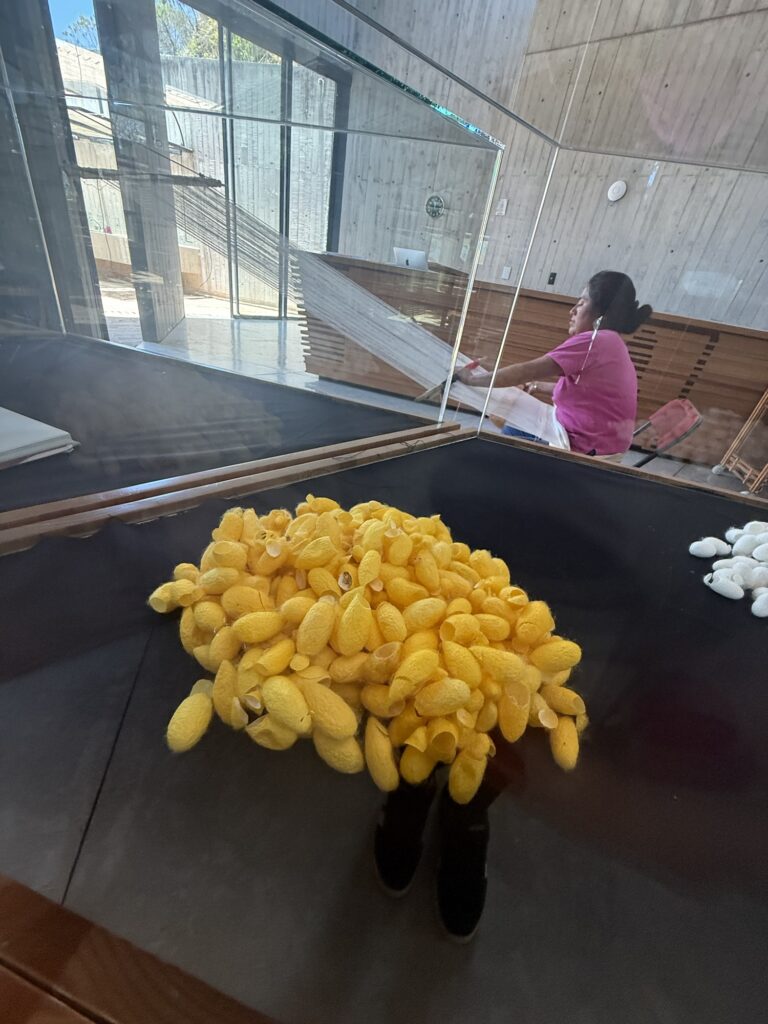
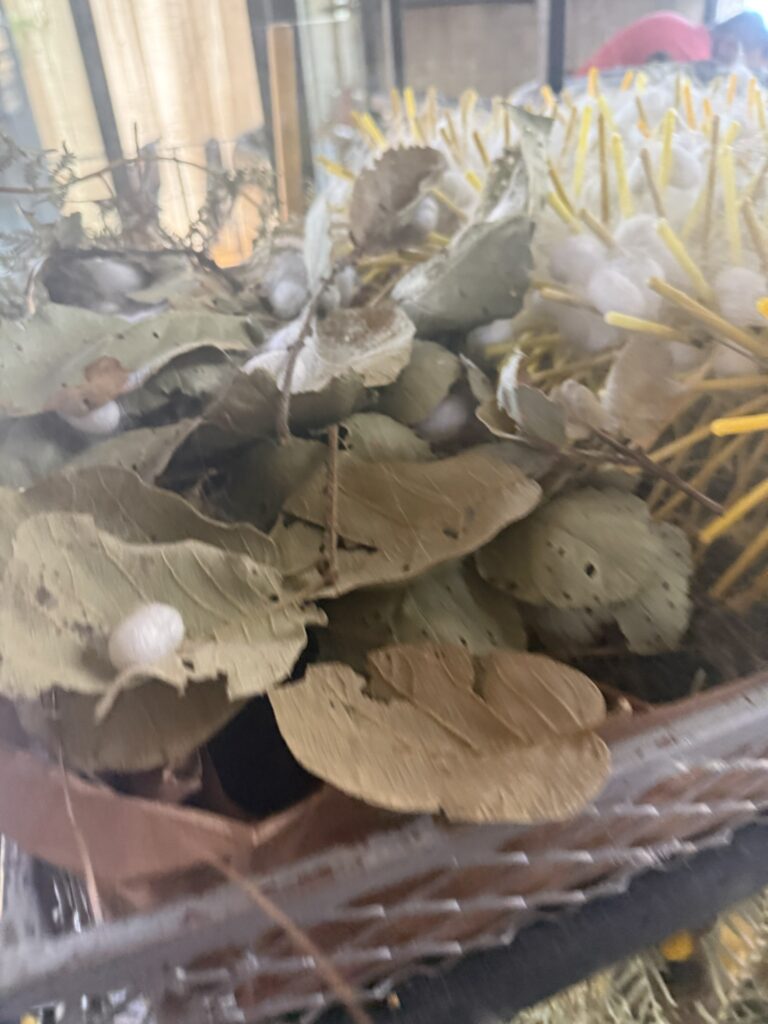
Uno de los atractivos imperdibles en San Pedro Cajonos es El Santuario del Gusano de Seda, uno de los proyectos culturales y artesanales más singulares de Oaxaca. Fue creado para preservar la antigua tradición de la “sericultura”; la crianza del gusano de seda y la producción artesanal de hilo y textiles.
La “Seda de Cajonos”
La importancia cultural de esta tradición es tan grande que en 2022 el gobierno Mexicano reconoció oficialmente la Indicación Geográfica “Seda de Cajonos”, similar a una denominación de origen.
Esta tradición se remonta al siglo XVI cuando los Dominicos introducen el gusano de seda “Bombyx mori”, los árboles de morera (su alimento), y técnicas Europeas de producción de seda.
Con el tiempo, los pueblos zapotecos de la Sierra Norte adaptaron esas técnicas a sus propias tradiciones textiles y desarrollaron una forma única de trabajar la seda.
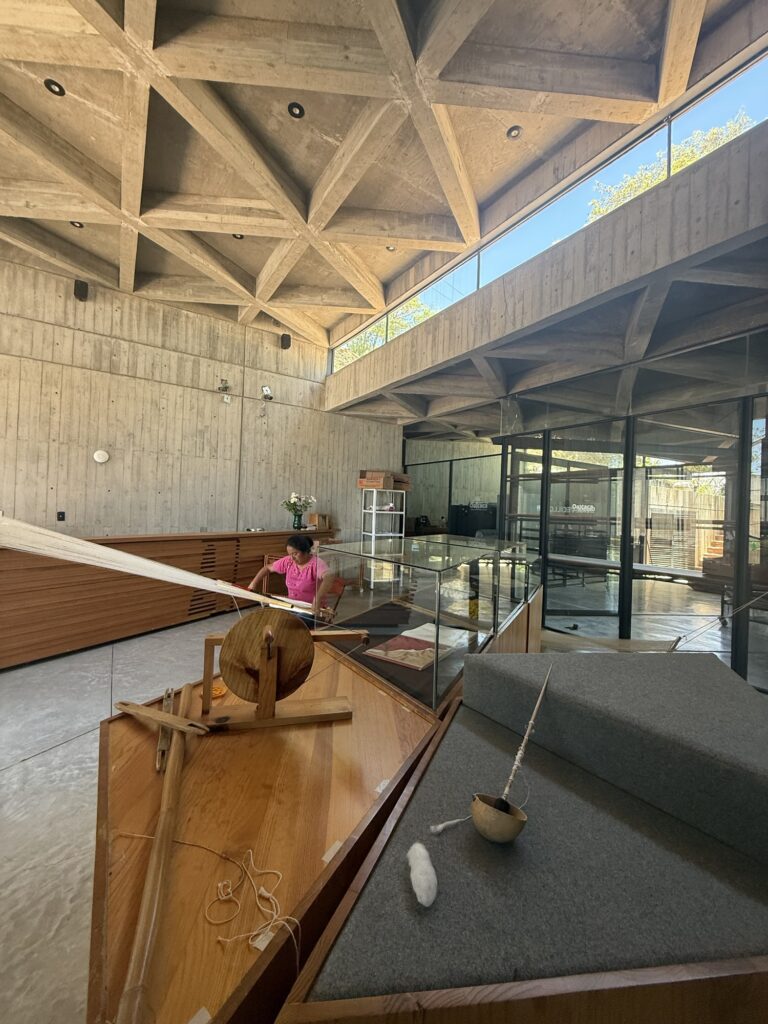
El proyecto estuvo a cargo del despacho oaxaqueño LAMZ Arquitectura.
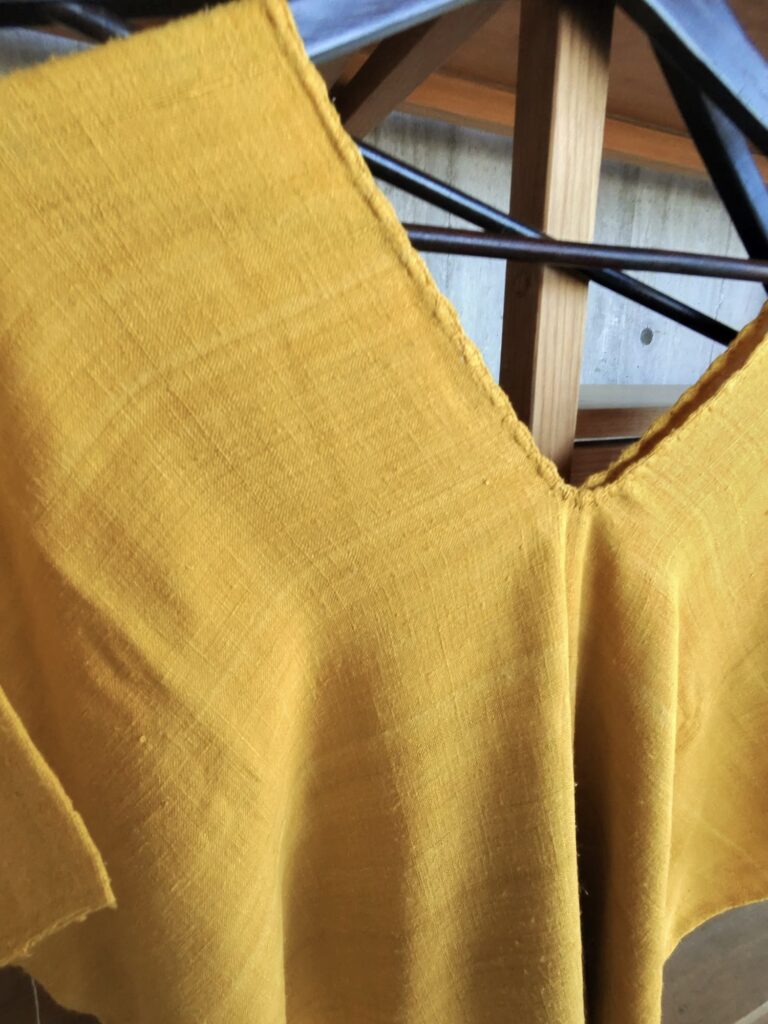
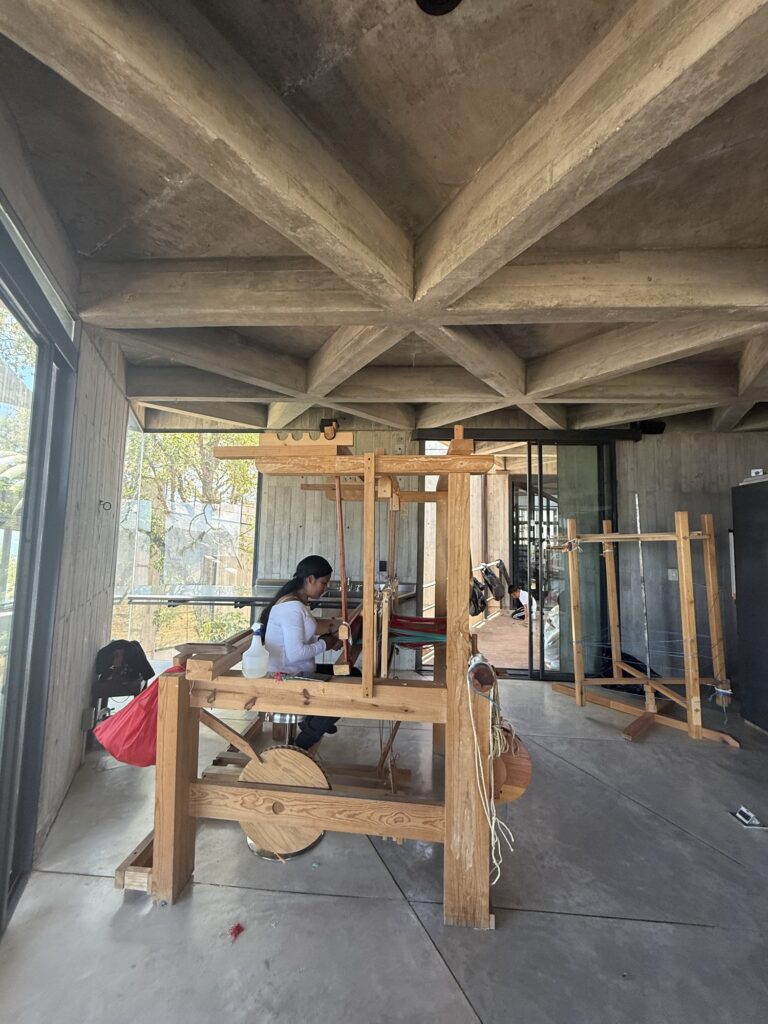
Montserrat Franco en el Santuario del Gusano de Seda, San Pedro Cajonos Capullos de seda criolla en el Santuario del Gusano de Seda, San Pedro Cajonos En el Santuario del Gusano de Seda puedes encontrar piezas únicas en venta, tejidas en telar de cintura y teñidas con tintes naturales Telar de pedal en los talleres del santuario del gusano de sedaCriadero y protección de la seda de Cajonos, este complejo comunitario congrega a los artesanos de Cajonos que perpetúan esta tradición por generacionesTelar de cintura en los talleres del santuario del gusano de seda
San Francisco Cajonos
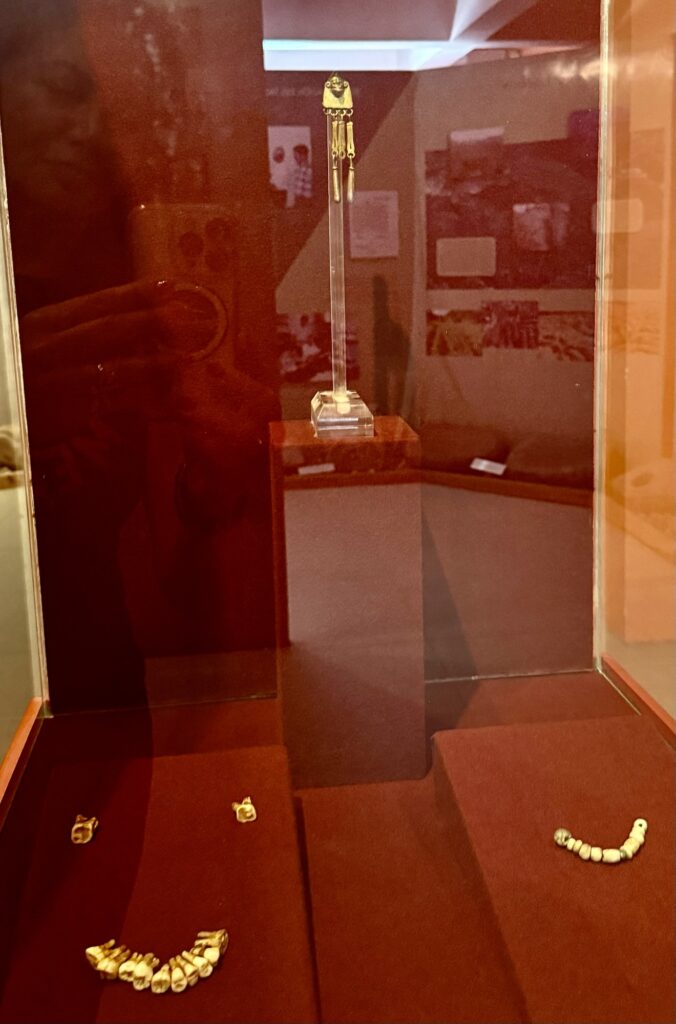
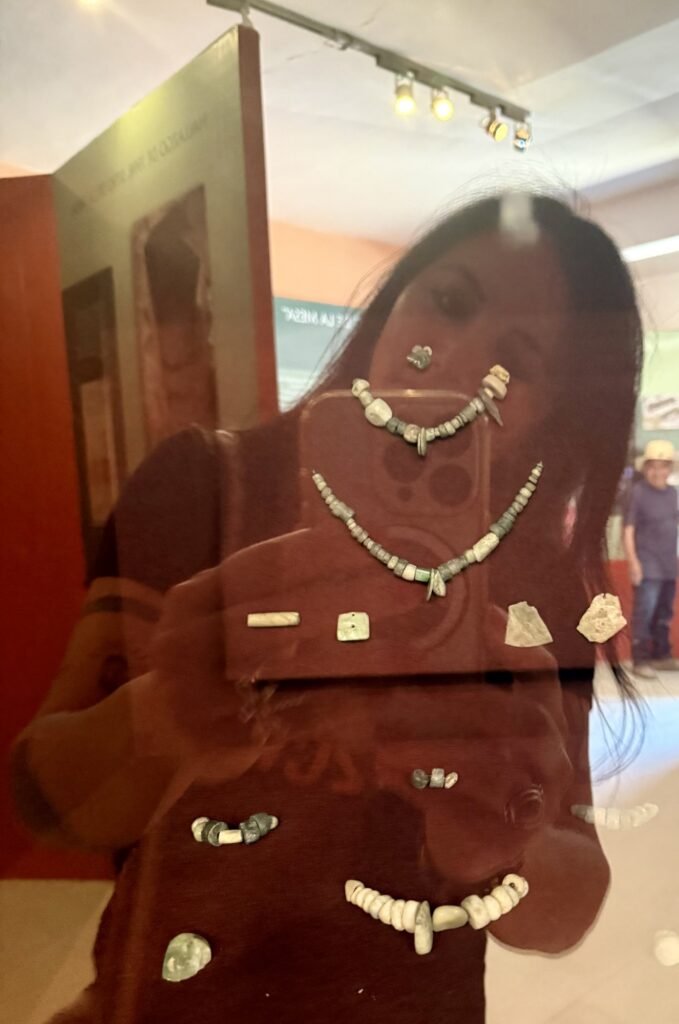
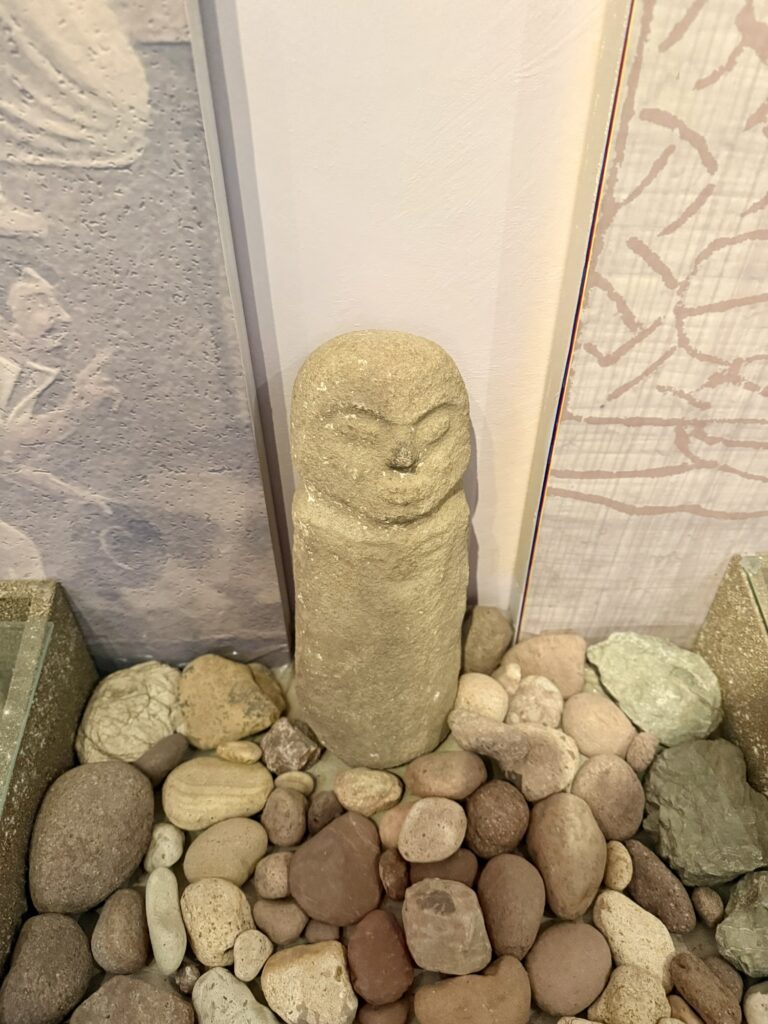
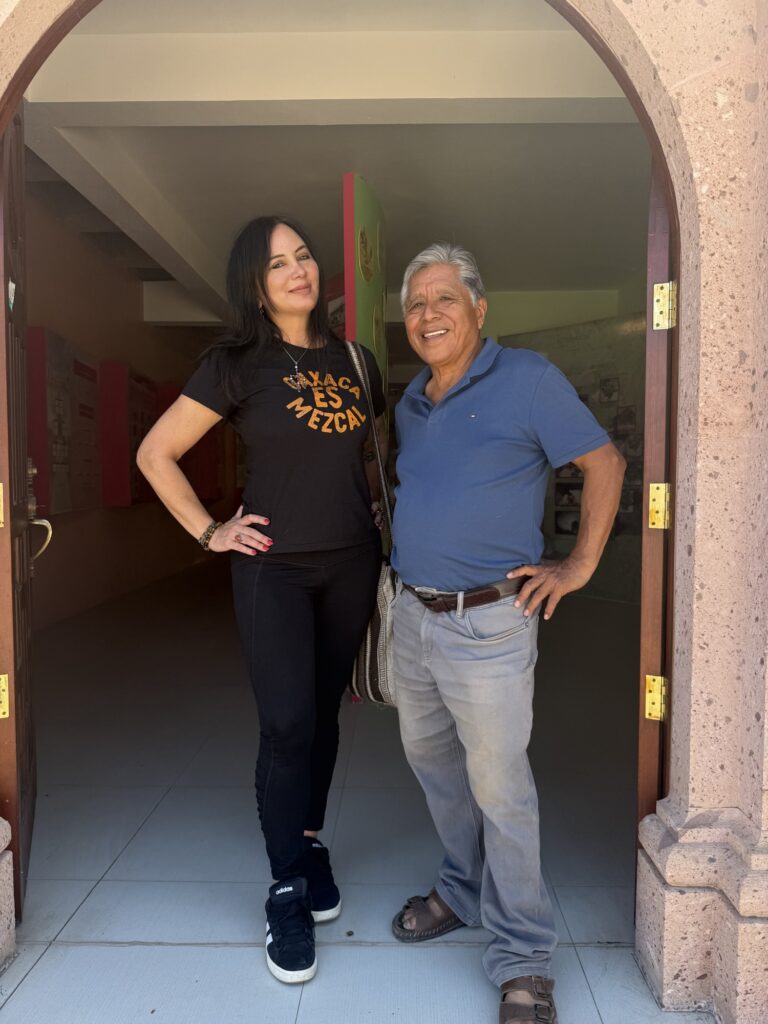
La comunidad tiene raíces prehispánicas muy antiguas. En el cerro llamado “La Mesa” se han encontrado vestigios arqueológicos y piezas antiguas que muestran que el área ya estaba habitada desde tiempos precolombinos. Parte de esos hallazgos hoy se resguardan en el museo comunitario del pueblo presidido por el Mtro Adrian, quien gentilmente brinda visitas guiadas del acervo histórico.
El nombre del pueblo honra a San Francisco de Asís. El término “Cajonos” tiene varias interpretaciones históricas; una de las más conocidas lo relaciona con los acontecimientos ocurridos alrededor de 1700, cuando sucedió el martirio de dos fiscales indígenas cristianos en la región, quienes fueron beatificados por el Papa Juan Pablo II.
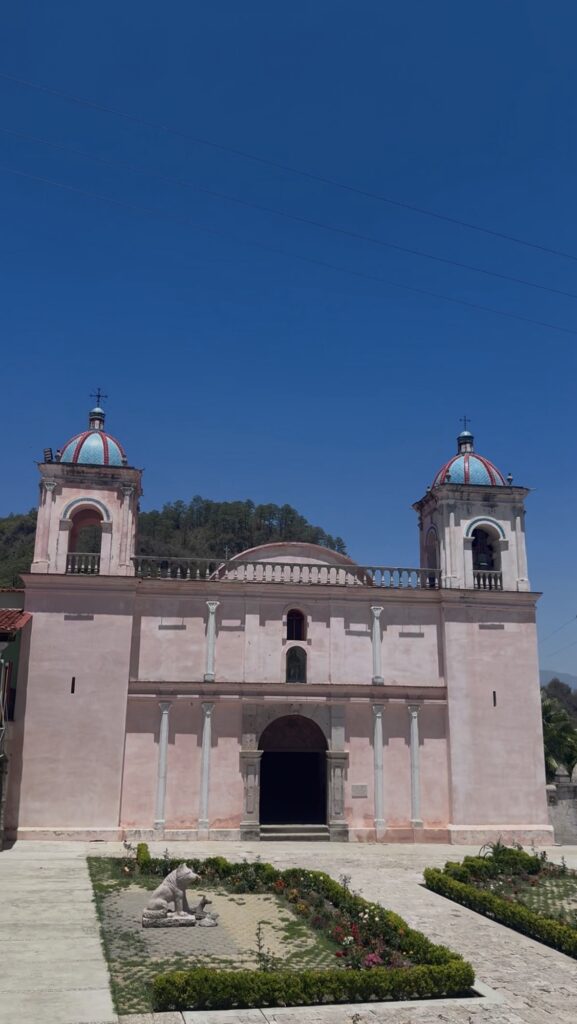
Cabe destacar la arquitectura y construcción en cantera rosa del templo y palacio municipal de San Francisco Cajonos, dando la bienvenida al visitante y brillando imponente al ocaso.
El templo reestructurado de San Francisco Cajonos, brilla en su fachada de cantera rosa Texturas de cantera rosa en la fachada del palacio municipal y el museo comunitario de San Francisco Cajonos Pectoral de oro hallado en 1998 en la tumba 2 del Cerro de La Mesa, probablemente fue del gobernante de San Francisco Cajonos circa 1550 DCColgantes y accesorios de ofrendas halladas en las tumbas del cerro de la Mesa hoy expuestas en San Francisco Cajonos Hallazgos en el cerro de La Mesa, hoy conservados en el museo comunitario de San Francisco Cajonos Montserrat Franco y el maestro Adrián en el Museo Comunitario de San Francisco Cajonos
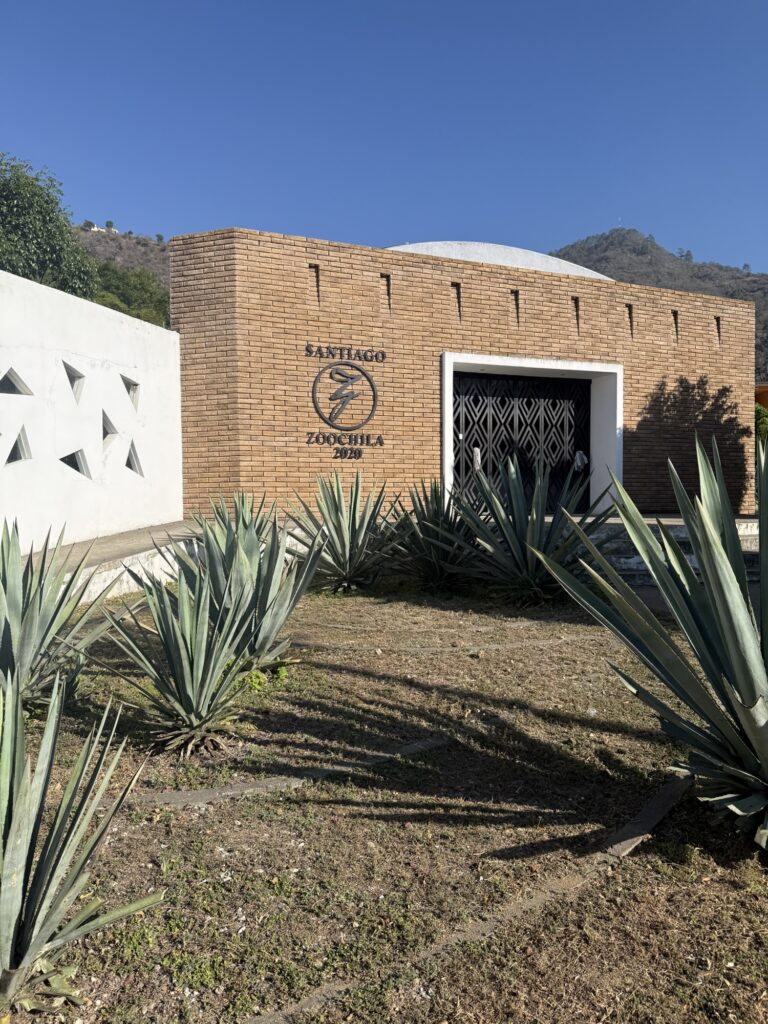
Santiago Zoochila
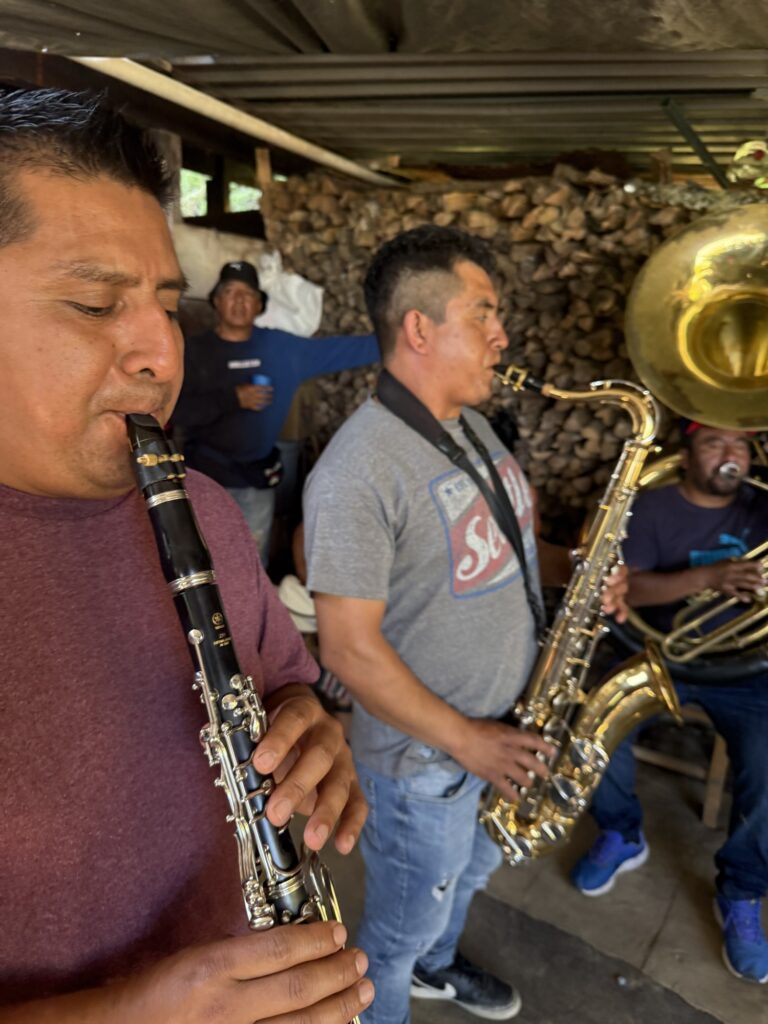
Un elemento que ha mantenido unidos a estos pueblos mancomunados, son las bandas filarmónicas. Durante generaciones, músicos de Zoochila, Cajonos, Yatzachi y otras comunidades viajaban para tocar en fiestas patronales y celebraciones. A través de la música surgieron amistades, compadrazgos y matrimonios entre familias de distintos pueblos.
Las montañas de la Sierra Norte y los Valles Centrales estuvieron conectados durante siglos por caminos, comercio, música, matrimonios y fiestas religiosas, esto hizo también que el intercambio y las tradiciones tales como el “Padiux” (en zapoteco es dar posada, alimento o cobijo al viajero o quien necesite sin esperar nada a cambio) fuera un símbolo de fraternidad entre los pueblos serranos.
La Música y la reciprocidad como ethos en Zoochila
Esto también se ve reflejado en la tradición de la “Gozona” que en zapoteco es devolver recíprocamente la visita de una banda filarmónica del pueblo huésped al pueblo visitante y viceversa, durante las fiestas patronales.
A diferencia de los demás pueblos, la banda filarmónica de Zoochila no pide Gozona, demostrando así un acto de generosidad absoluto, del mismo modo se reserva en sus presentaciones solo a 4 festividades anuales.
La identidad cultural de Santiago Zoochila está profundamente ligada a las tradiciones zapotecas de la Sierra Norte.
La música comunitaria tiene un papel importantísimo; la formación musical forma parte de la vida social del pueblo y de la transmisión cultural entre generaciones. Entre sus compositores destacados se encuentran Fernando Sandoval Luna, autor de obras extensamente difundidas entre las bandas filarmónicas de México y en plataformas digitales, y Francisco Javier Vargas Luna, primer Mexicano en especializarse en dirección de vientos y percusión en la prestigiosa Academia de Música Rainier III del Principado de Mónaco y el Conservatorio de Estrasburgo, Francia.
Como en otros pueblos de la sierra norte, las bandas de viento, las mayordomías y el tequio son pilares de la vida colectiva.
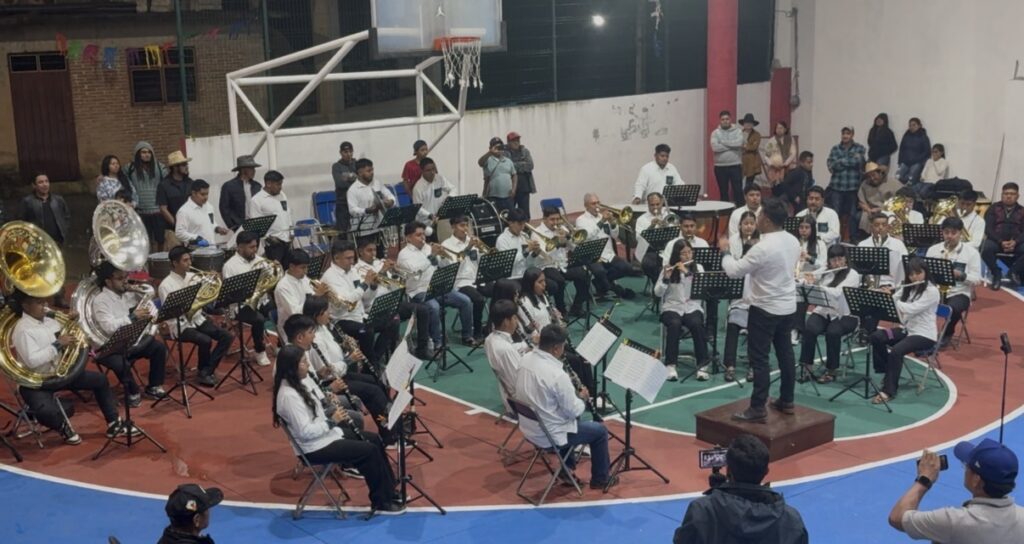
La Banda Filarmónica Nueva Generación De Santiago Zoochila dirigida por el compositor y director Francisco Javier Vargas Luna
El mezcal como legado comunitario
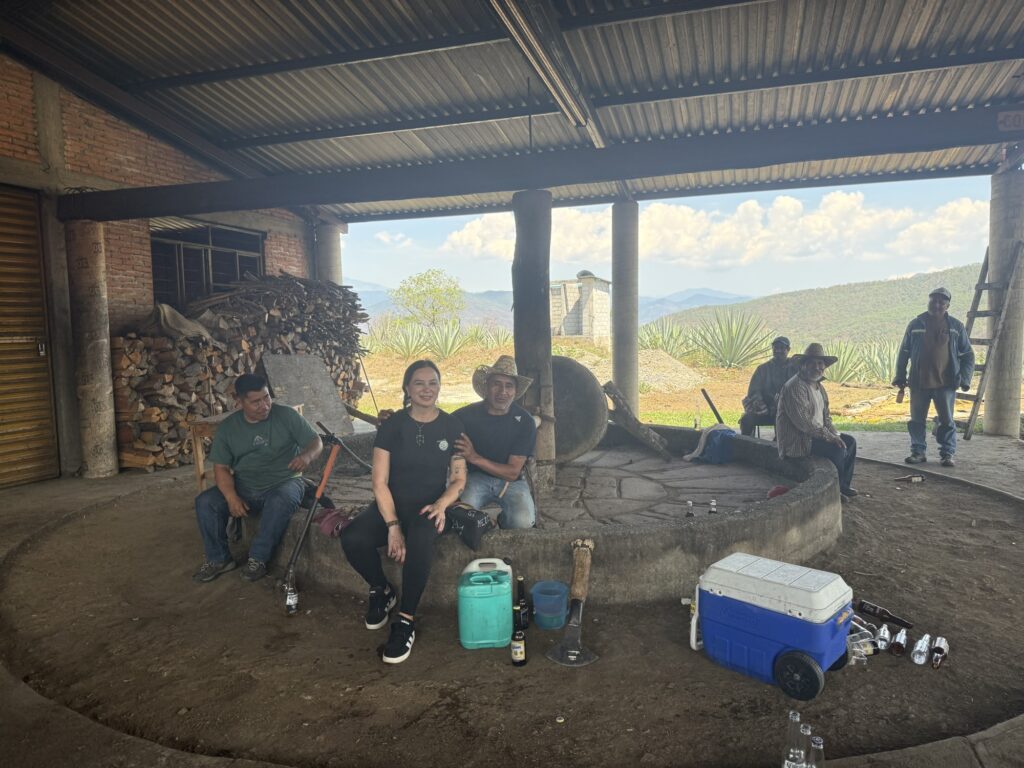
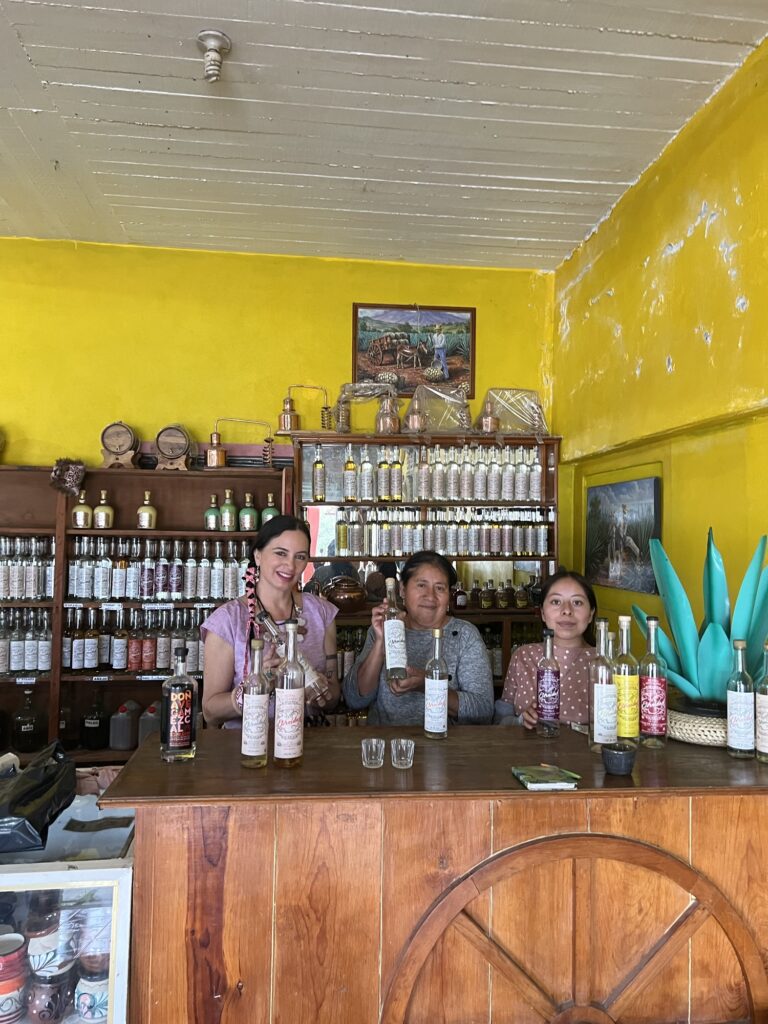
Zoochila, un poblado de alrededor de 423 habitantes, de los cuales más de un centenar son músicos y alrededor de 20 mezcaleros de profesión.
Los primeros registros parroquiales de familias De Santiago Zoochila datan desde 1688.
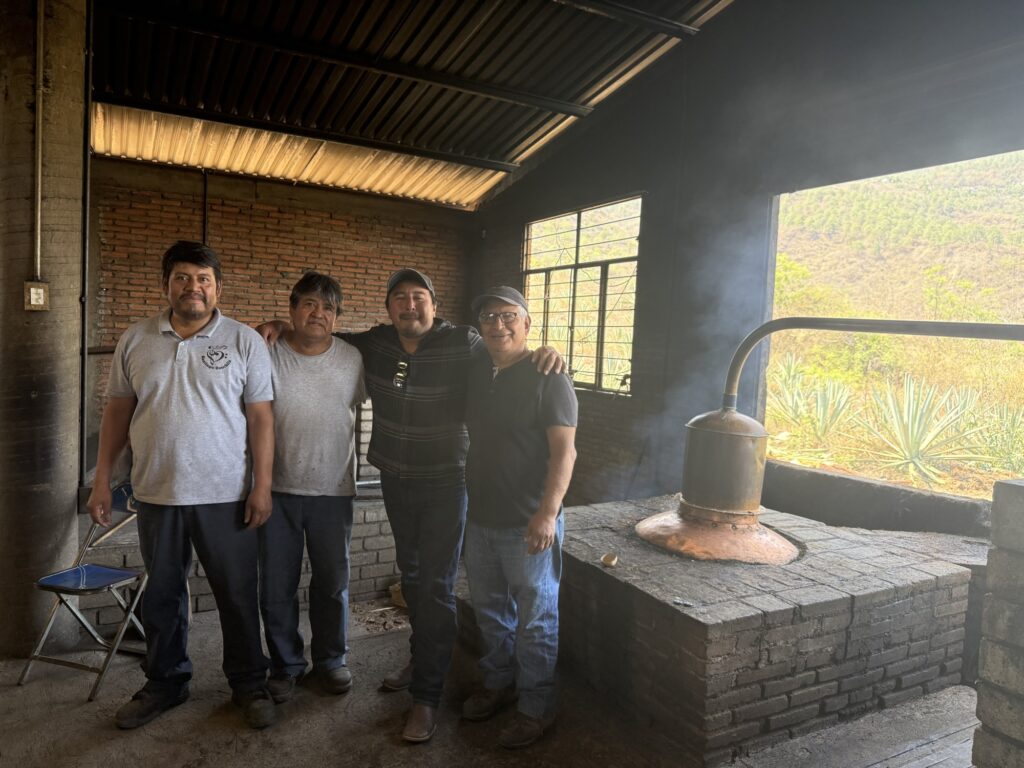
La producción de mezcal en Zoochila se ha mantenido como una gema del pueblo, para consumo comunitario, mayordomías y festividades, entre sus destacados maestros se encuentran los hermanos Víctor y Alfredo Cruz, Pastor Luna y Oscar Sandoval Luna.
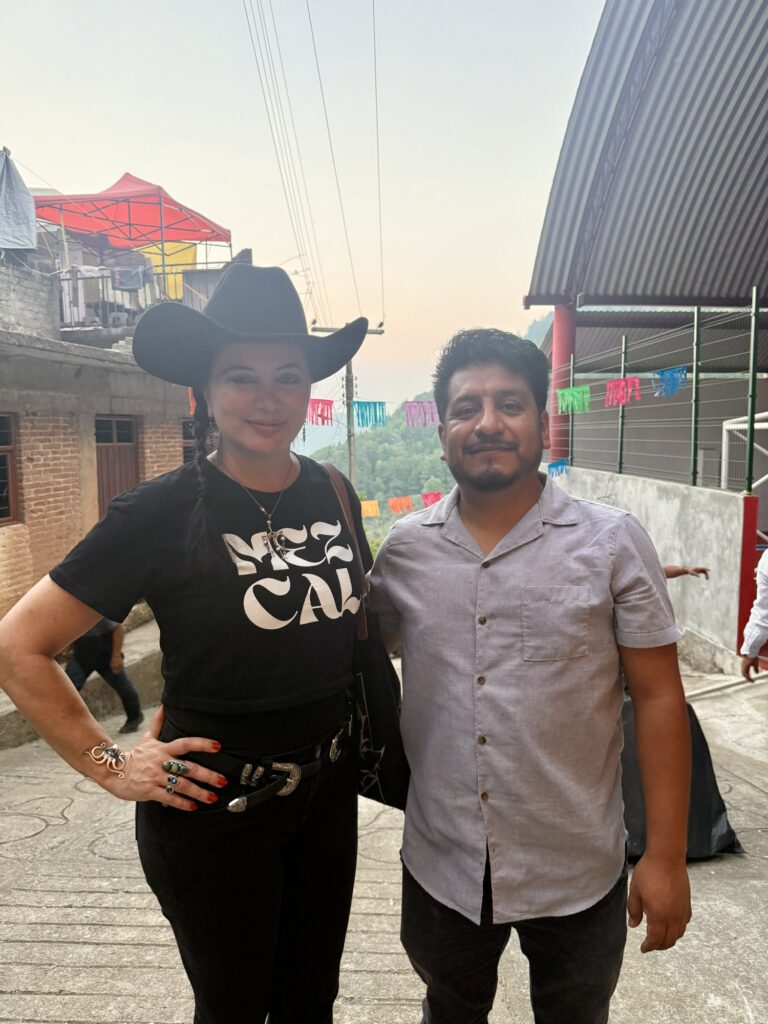
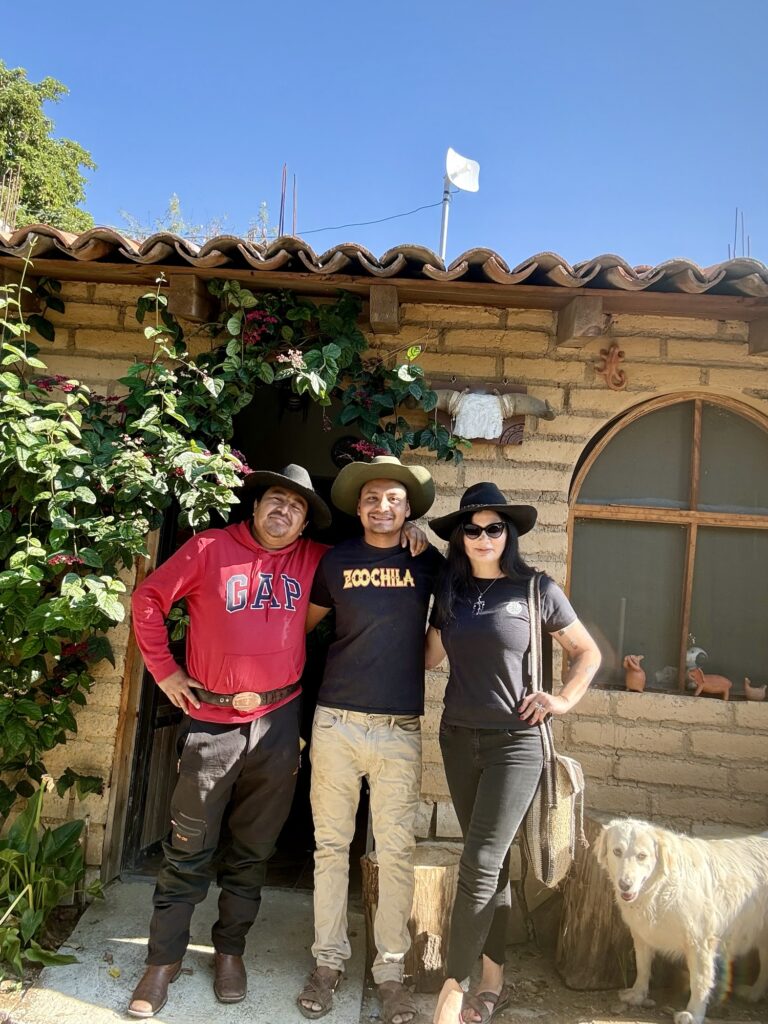
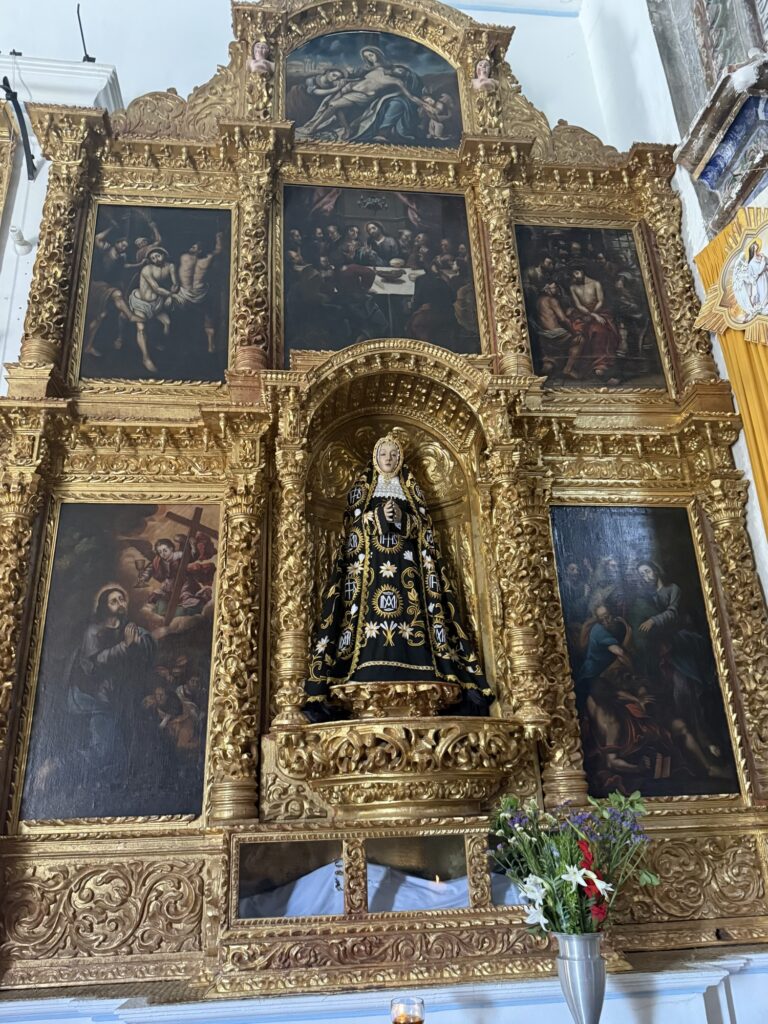
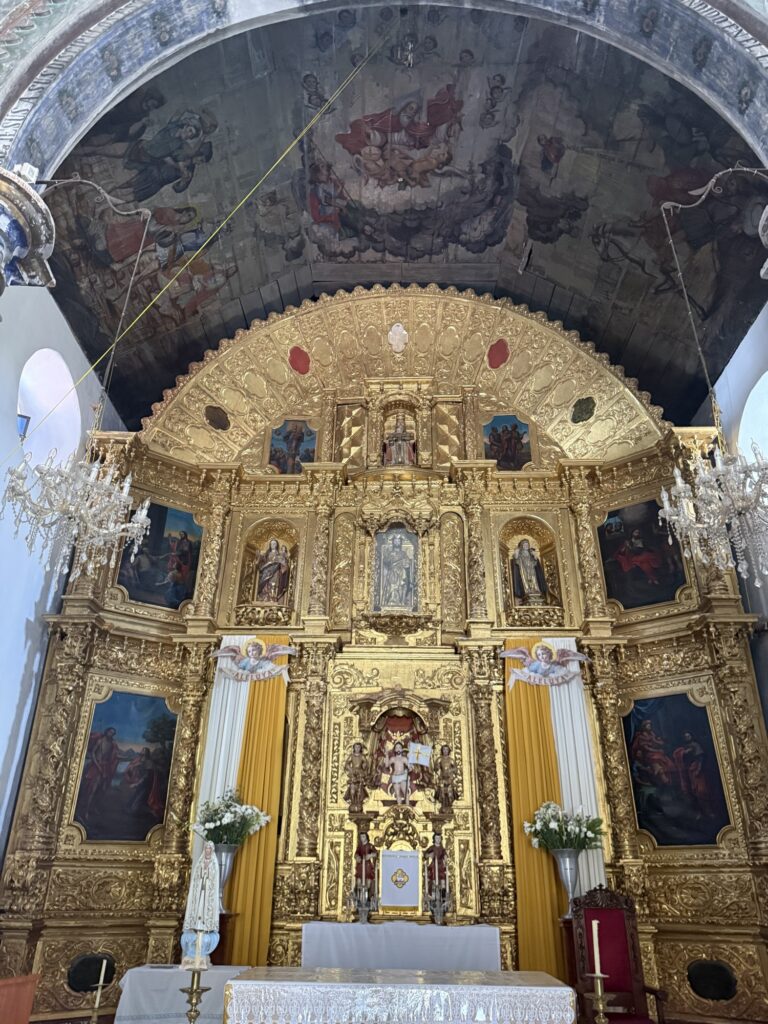
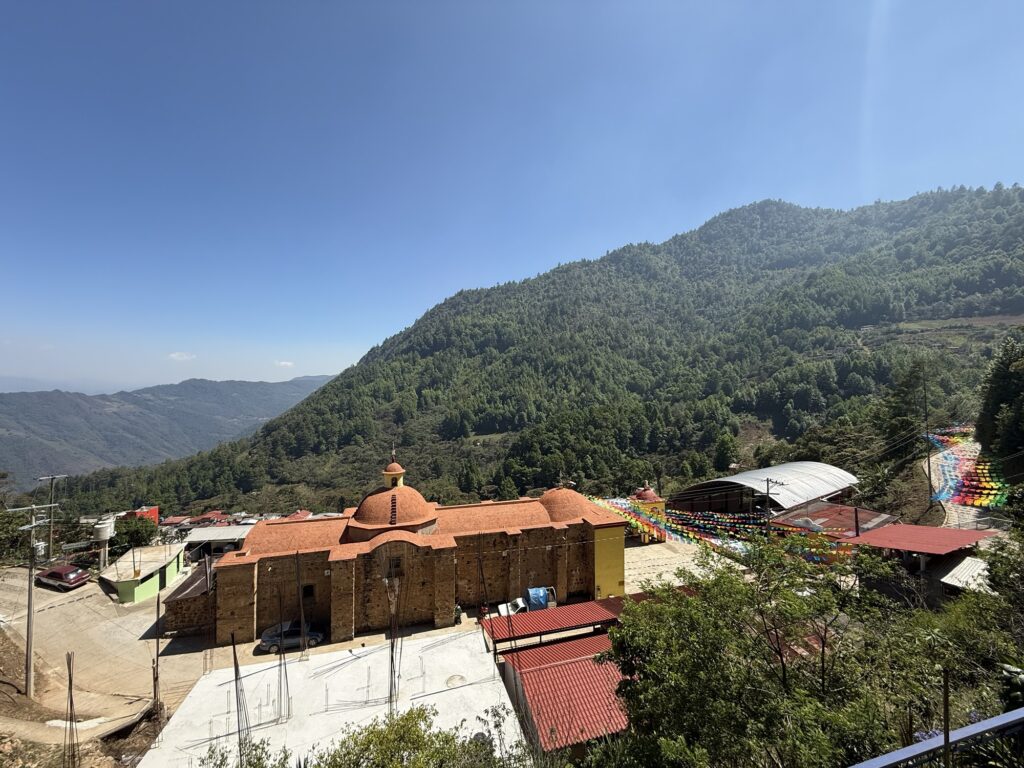
Centro comunitario en Santiago Zoochila, donde ensaya la Banda Filarmónica Nueva Generación de Zoochila Montserrat Franco y el compositor Zoochileño Fernando Sandoval Luna Los Maestros mezcaleros y productores Zoochileños Víctor y Alfredo Cruz, Alberto LC junto al Maestro y compositor Eduardo Díaz Méndez El compositor Eduardo Díaz Méndez, Maestro Óscar Sandoval Luna y Montserrat Franco en Zoochila Palenque comunitario en Santiago Zoochila Uno de los magníficos retablos dedicados a la Virgen de La Soledad en el templo de Zoochila El retablo mayor en el templo De Santiago Zoochila
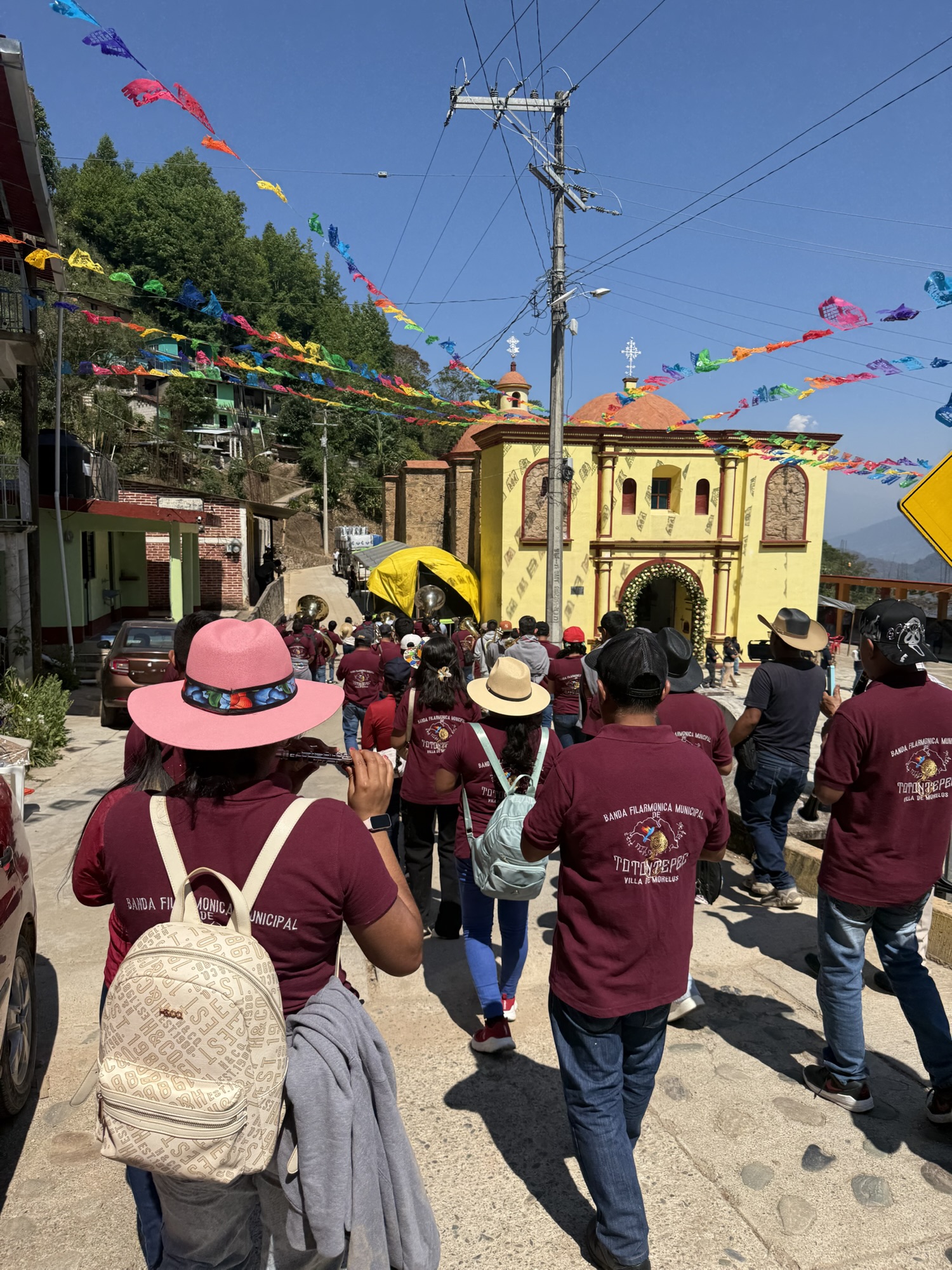
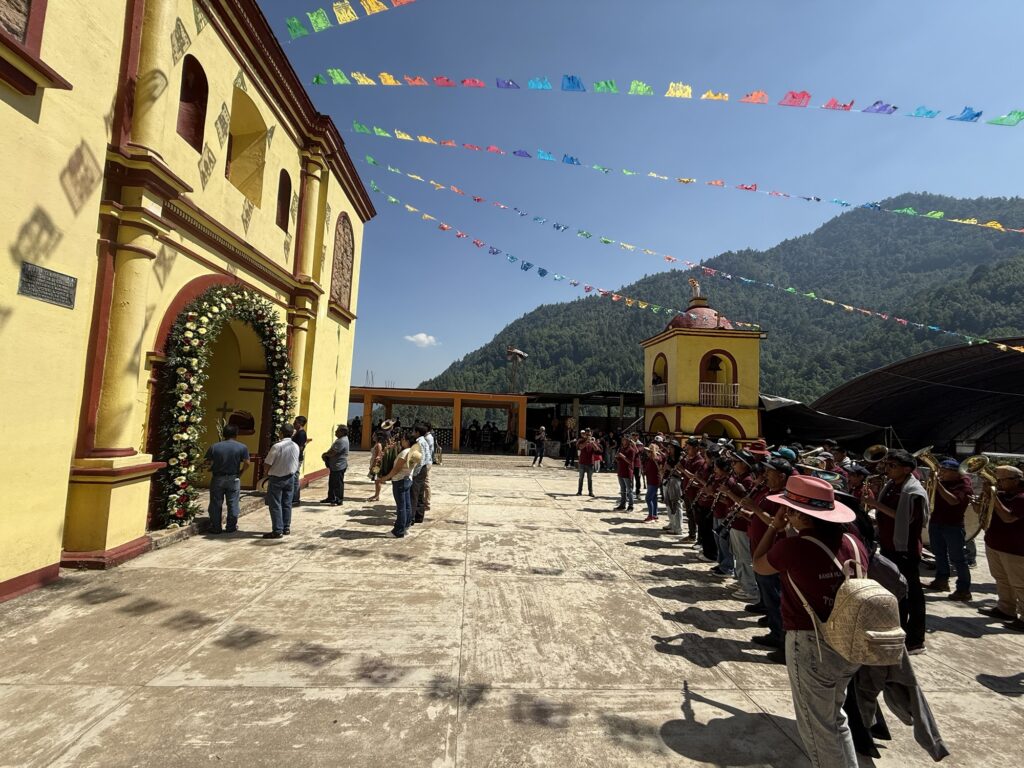
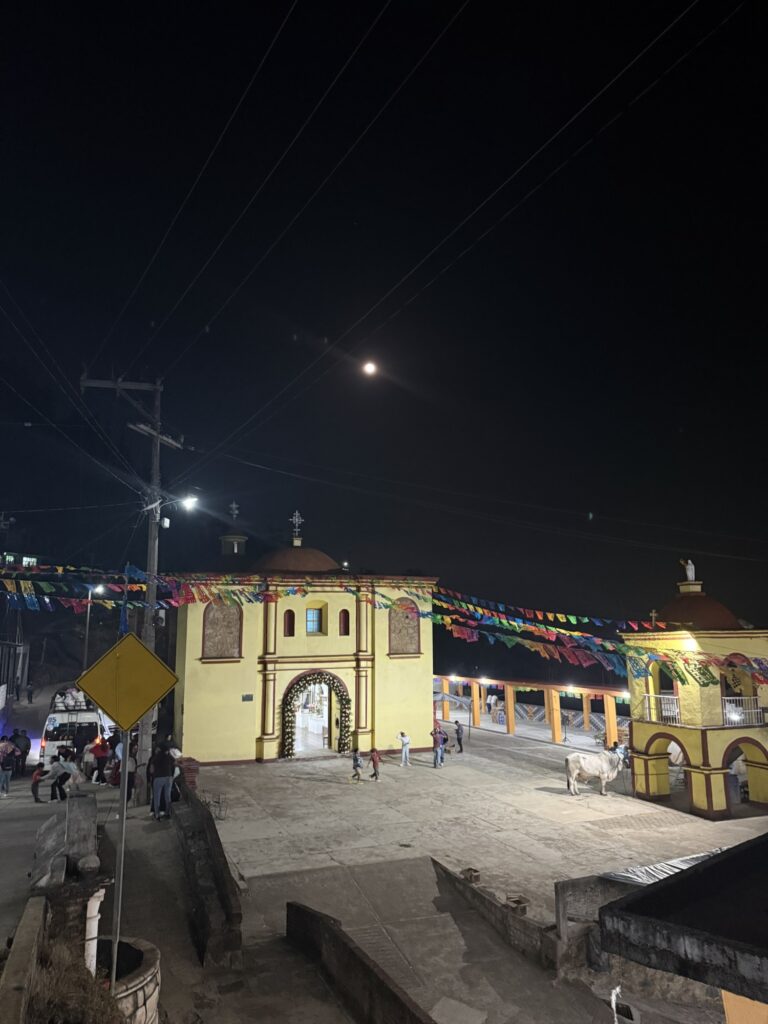
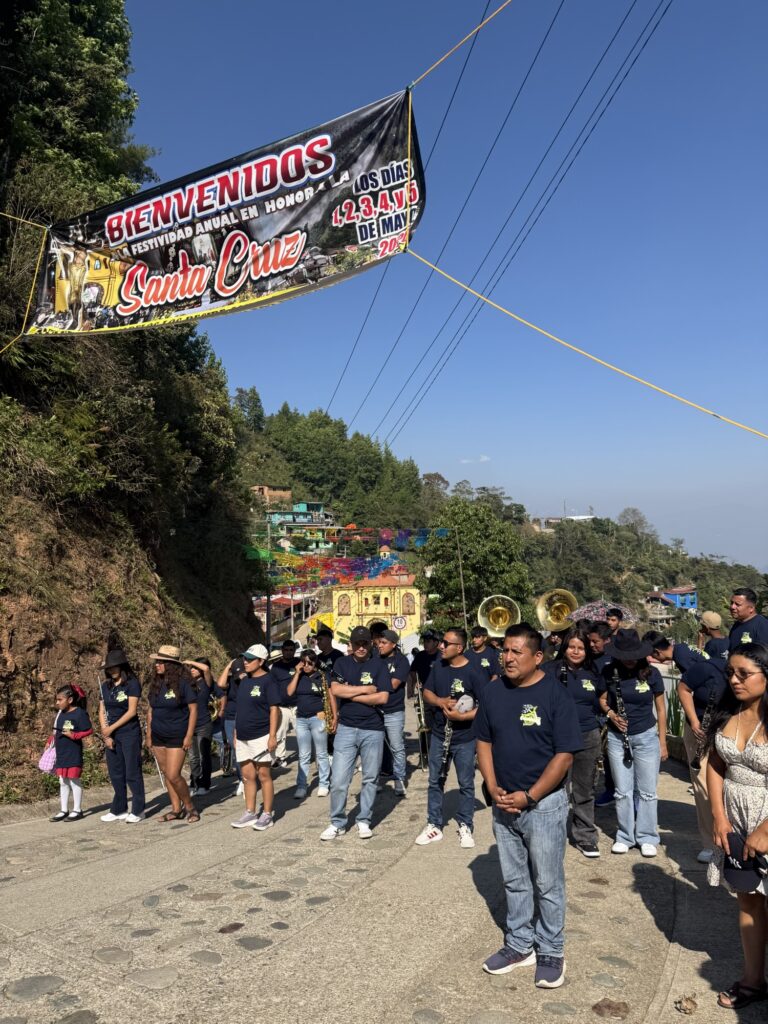
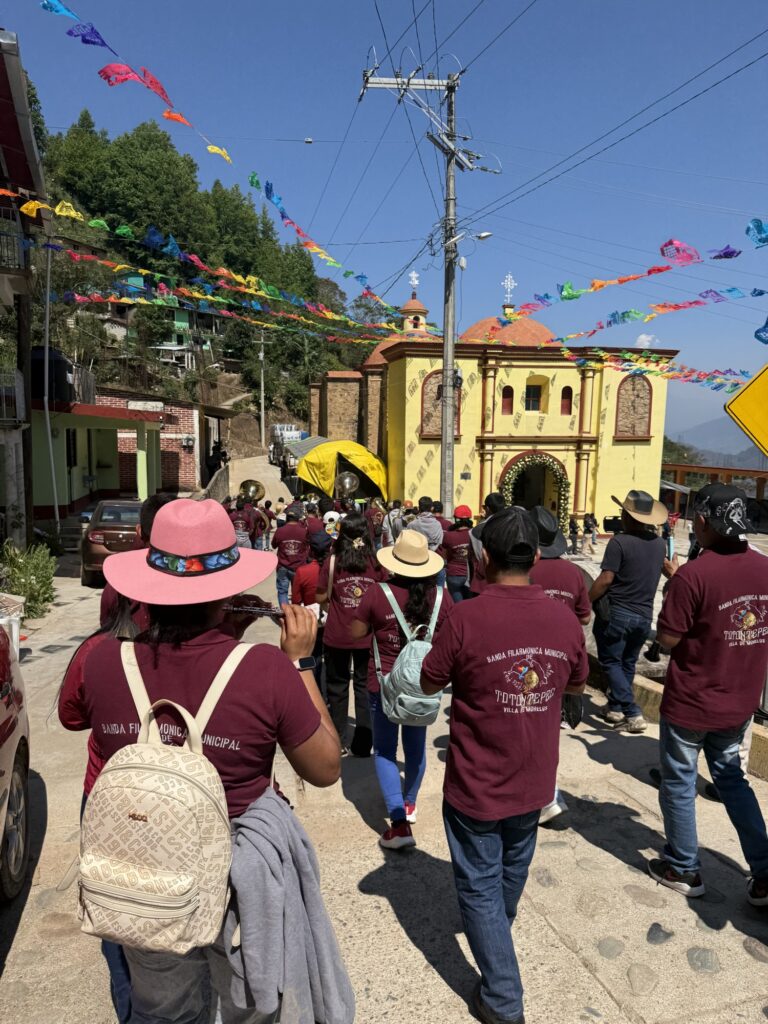
Estas fiestas que por lo general duran 5 días tienen un gran simbolismo religioso muy arraigado a la comunidad donde el intercambio de las bandas filarmónicas huéspedes (Banda Filarmonica Municipal de Otatitlan de Morelos) y visitantes; en este año estuvieron presentes: la Banda Filarmónica Nueva Generación de Zoochila, la Banda Filarmónica Aires de Primavera, la Banda Filarmonica de Totontepec Villa de Morelos Mixe donan su tiempo como un servicio comunitario y social.
Las actividades de estas fiestas patronales se desarrollan desde el momento de las donaciones del novillo a cargo de las familias anfitrionas o mayordomos, en esta oportunidad: la familia Martínez Zavala y como mis anfitriones a quienes agradezco infinitamente su generosidad: Wilver Aquino y Mary Ramírez.
La donación va acompañada de la banda municipal anfitriona la cual ameniza la tarde entera, se ofrece una comida de agasajo a todos los presentes y posteriormente se dirigen al templo a entregar las ofrendas al Señor de La Santa Cruz, el cual se adorna con flores naturales y palmas.
Al día siguiente, se da la bienvenida a las bandas visitantes, el representante de la comunidad preside junto a la banda anfitriona, mientras una fanfarria contesta de cada lado, tal y cual lo hubieran hecho en Europa, en tiempos medievales las visitas protocolares de aldeas vecinas durante el palio o festividades principales.
Al ritmo de marchas, y con un repertorio que dominan de memoria, se dirigen los músicos visitantes y huéspedes hasta el templo a entregar sus ofrendas mientras que la comunidad canta con salmos responsoriales.
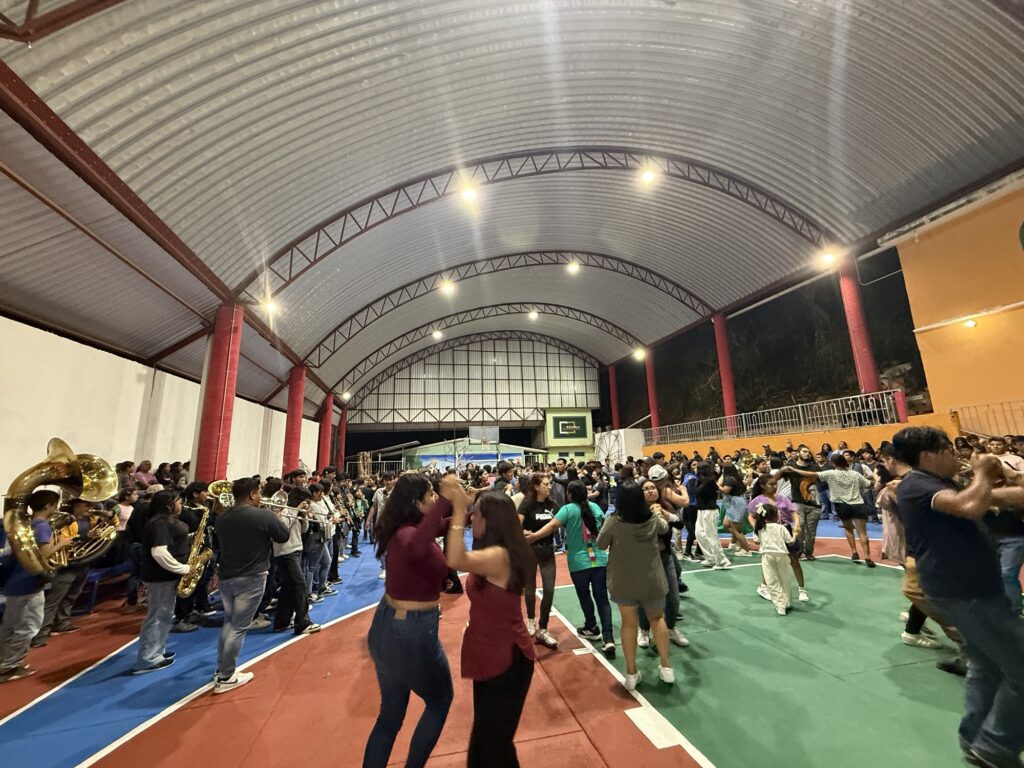
De allí proceden a un salón comunitario junto con chirimías que también les dan la bienvenida y donde cada banda visitante interpreta obras selectas de su repertorio, hasta que la siguiente banda se hace presente y así sucesivamente continúa la tarde entre sones, jarabes, fandangos, chotis, pasacalles, danzones y otros géneros musicales todos de compositores locales.
Los músicos de cada banda reciben refrigerio, alimentos y alojamiento durante este maratón musical de 5 días, cada banda ameniza el día completo por turnos, desde el amanecer en procesiones solemnes (calendas) hasta las horas de las comidas diarias, misas, y en la tarde y noche audiciones y bailes.
En la víspera de la fiesta del Señor de La Santa Cruz es la quema del castillo (fuegos pirotécnicos espectaculares) frente a la Iglesia, en la plaza principal, donde llueve o truene cada banda debe continuar por turnos amenizando el baile, sones tras sones.
Lo que para estas comunidades representa algo cotidiano, visto y oído desde la perspectiva externa, es simplemente loable y un verdadero deleite para los sentidos al tener el privilegio de despertar por las mañanas con sones interpretados por las bandas filarmónicas en vivo mientras se dirigen al desayuno en la casa comunitaria. Además de esto, el mismo entorno, el paisaje de montañas y niebla, sumados a los sonidos de la naturaleza, contribuyen a que la experiencia sea aún más surrealista.
Para mí que como artista de origen, me crié en medio de músicos de todos géneros desde tradicionales hasta clásicos, no puedo dejar de admirar el sistema musical de la Sierra Norte y seguiré siendo una fiel difusora de su música y tradiciones.
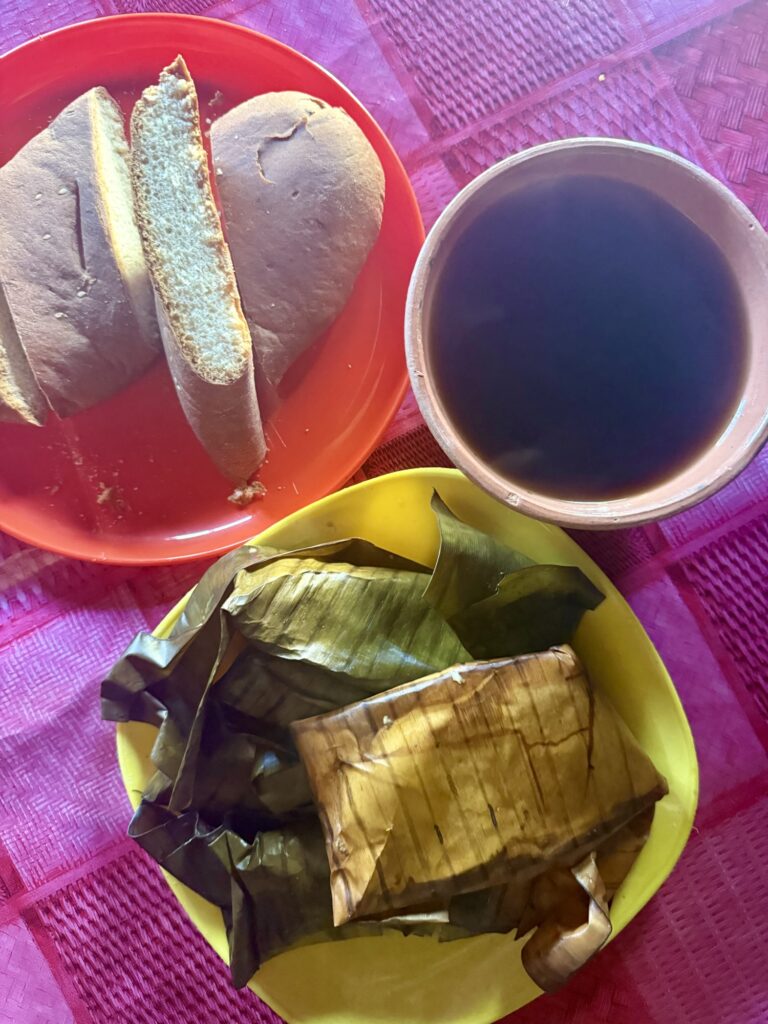
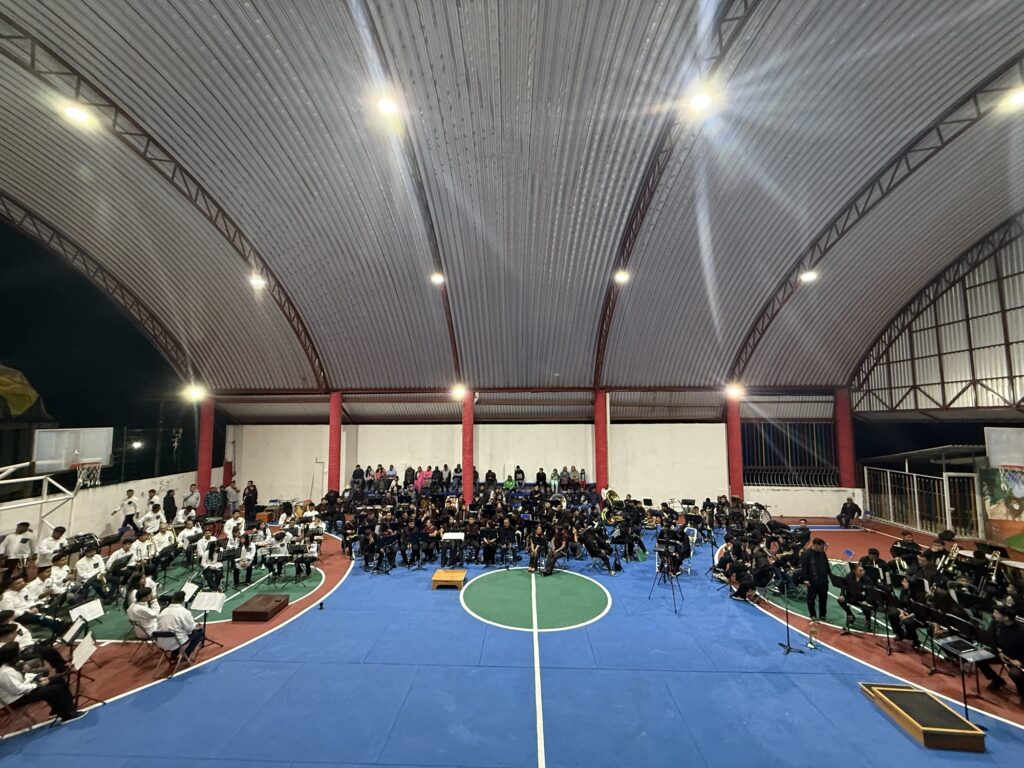
La Banda Filarmónica de Totontepec frente al templo de Otatitlan de Morelos Vista de la parte lateral del templo de Otatitlan de Morelos Autoridades y músicos de la Banda Filarmónica de Otatitlan El templo de Otatitlan al anochecer con los novillos ofrendados en su plaza principal Recibimiento de Otatitlan a las bandas visitantes Procesión de la Banda Filarmónica de Totontepec hasta la Iglesia Sones serranos acompañados acompañados en vivo por las bandas filarmónicasUn típico desayuno serrano, café de la Sierra, panecillos y tamales Audición magna de la bandas filarmónicas presentando obras de concierto de autores contemporáneos con solistas
La música como modus vivendi y hegemonía en las comunidades de la sierra norte
El “ser músico” en las comunidades de “usos y costumbres” de la Sierra Norte y formar parte de la banda filarmónica representa así una forma de servir o “tequio” el cual para otros habitantes del pueblo que no cuenten con la vocación musical deberá ser reemplazado por otro tipo de servicio como “topil” (en zapoteco los topiles se encargan de servir anualmente en las actividades comunitarias haciendo labores que pueden ir desde el orden público a la limpieza de calles).
En estas comunidades, el ser músico es todo un honor, así como en las cortes Europeas, el músico fue una figura esencial para el deleite de sus miembros. Para las comunidades de la Sierra Norte, las bandas filarmónicas constituyen el pilar de la identidad cultural, en estos pueblos es común que los niños aprendan a leer música mucho antes que a leer y escribir.
Dotados de una disciplina para el estudio, los músicos de la sierra norte perfeccionan su ejecución, afinación, destreza e interpretación y reviven movimientos estilísticos que aunque se hubieran originado en Europa y por herencia dejaron su huella hace 5 siglos, a través de la evangelización en estas tierras, han trascendido a un nivel de asimilación e identidad propia desde sus grandes compositores locales como Otilio Contreras, Lico Carrillo, hasta los contemporáneos tales como Eduardo Díaz Méndez, Guzz Ojeda, Fernando Sandoval Luna, Francisco Javier Vargas Luna, Honorio Cano, Víctor Reyes, Cirilo Díaz, Silvestre Vázquez, Gil Ventura, solo por mencionar algunos de estos testimonios vivos del acervo musical de la Sierra de Oaxaca, con más de un centenar de obras por compositor.
Cabe destacar que en algunas comunidades Mixe de la Sierra Norte tales como Totontepec Villa de Morelos, son tantos compositores nacidos en Totontepec, que sus bandas sólo interpretan a compositores de Totontepec.
Al igual que en Santa María Tlahuitoltepec, sede del CECAM (Centro de Capacitación Musical y Desarrollo de la Cultura Mixe) y con quienes he tenido el honor de participar en audiciones de estreno mundial tales como Paz en el Alma y Magnificat en lengua Mazateca, el CECAM no nació como una escuela gubernamental, sino como un proyecto comunitario impulsado por los propios pueblos Mixes para garantizar la continuidad de su herencia musical.
Las Bandas Filarmónicas Tradicionales son patrimonio intangible del Estado de Oaxaca.
Mitchell, J. (2021). Community and Idolatry: San Francisco Cajonos, Yalalag, and Betaza through the Criminal Court of Villa Alta, 1700-1704
Marruffo Betancourt, I., Juárez López, I. I., & Pereyra Martínez, A. (2025). Conocimientos y prácticas tradicionales en la gastronomía de los hongos silvestres de mujeres cocineras de San Antonio Cuajimoloyas, Oaxaca. Enfoques Transdisciplinarios: Ciencia Y Sociedad, 3(1), 133-153.
Aquino, A. (2013a), “La comunalidad como epistemología del sur. Apuntes y retos”
Cuadernos del sur. Revista de ciencias sociales, Oaxaca, CIESAS-Pacífico Sur, UABJO, INAH, año 18, núm. 34, enero-junio, pp. 7-18.
Agradecimientos especiales al maestro Eduardo Díaz Méndez por el privilegio de este viaje musical al país de las nubes, sus conocimientos e introducción a los amigos y a los grandes maestros de la sierra y a todos los pueblos que visite y seguiré visitando mientras la vida me de fuerzas.
Visiting the vast agave landscape in Oaxaca is akin to exploring the plateau in Bordeaux, where the concept of “terroir” in French or “terruño” in Spanish takes on a profound significance.
Oaxaca, renowned for its unparalleled biodiversity, boasts a unique landscape characterized by its high desert mountain ranges, arid, expansive plains, and picturesque river valleys. These diverse habitats have provided the perfect environment for the largest array of wild agave species globally.
Santiago Matatlan, the world capital of Mezcal, is a town where the entire community lives and breathes for this divine elixir. Every house takes pride in crafting its unique style of Mezcal or claiming to produce the best. Generations of families have dedicated their lives to the tradition of mezcaleros, preserving the art of Mezcal production.
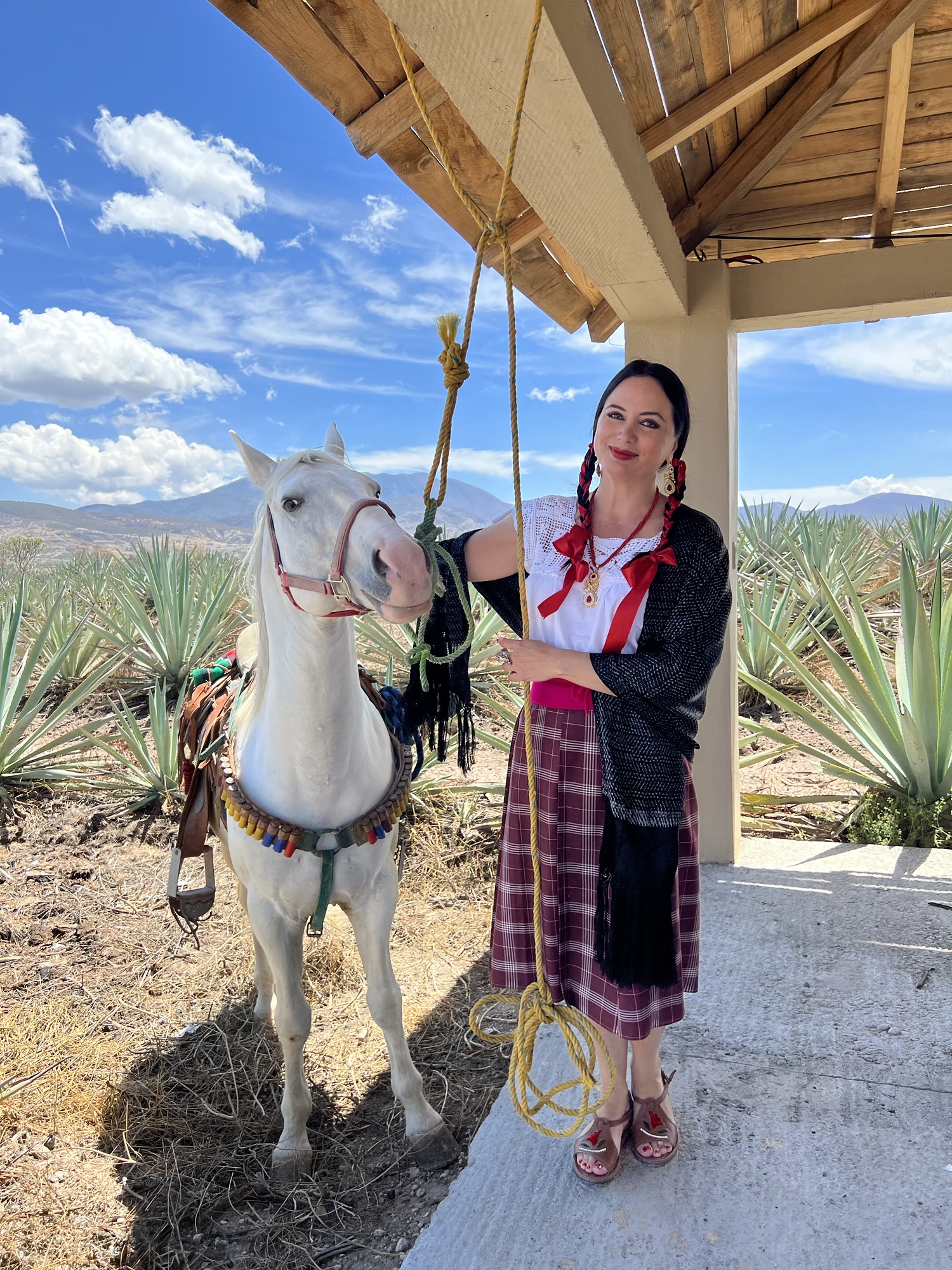
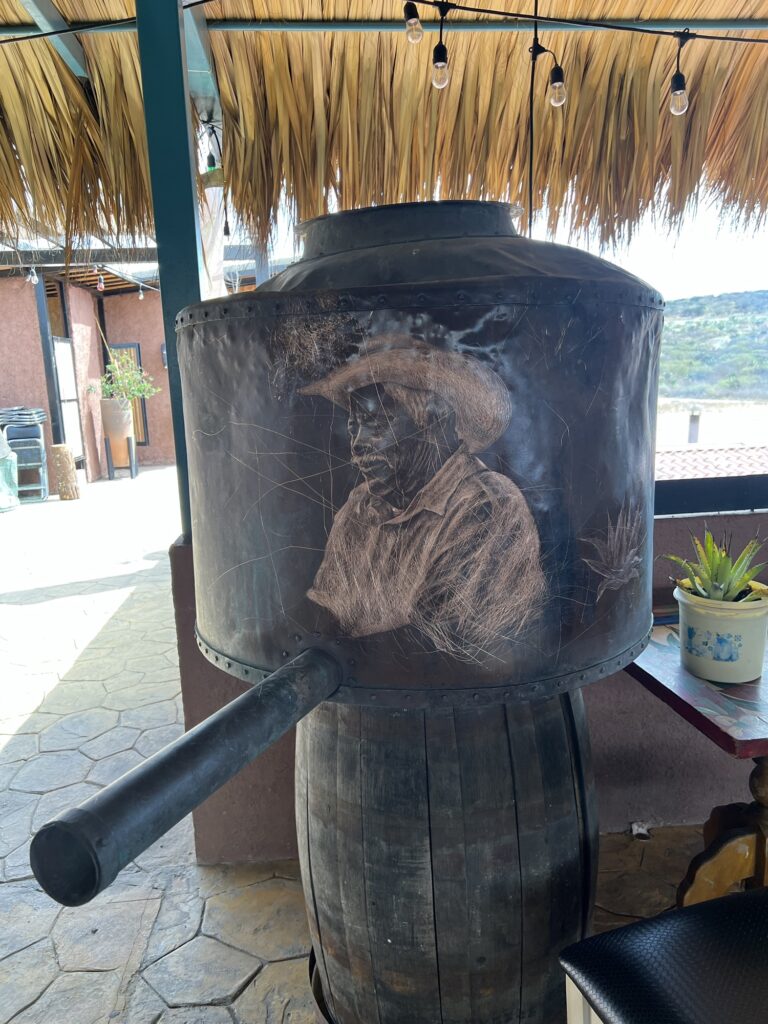
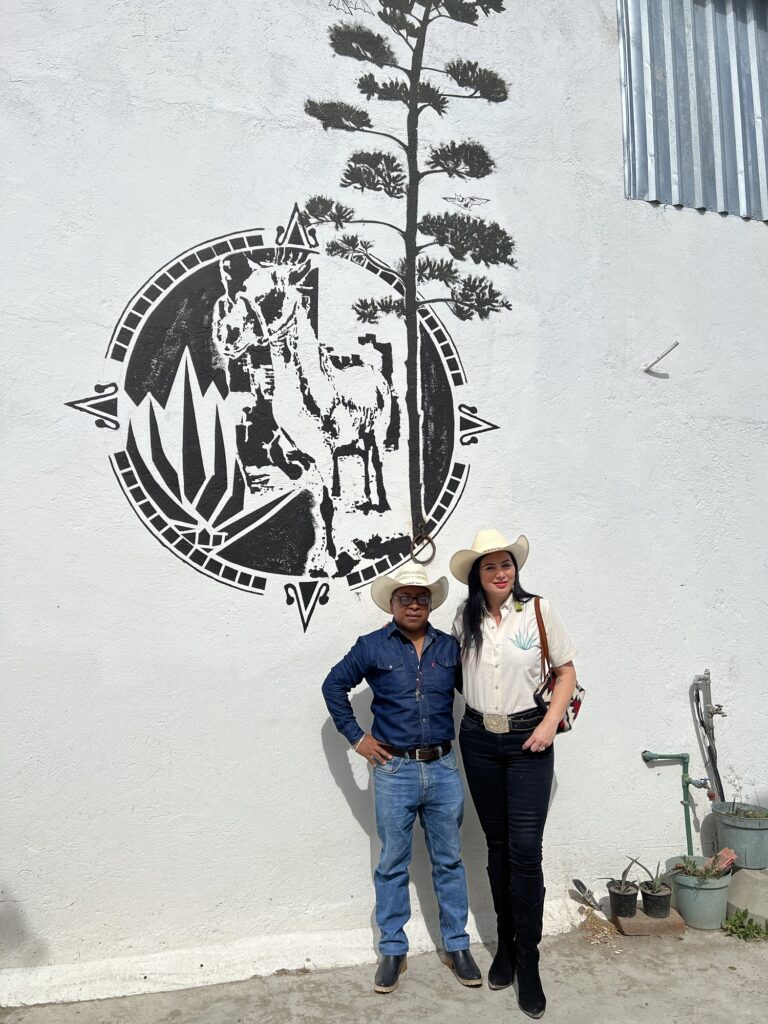
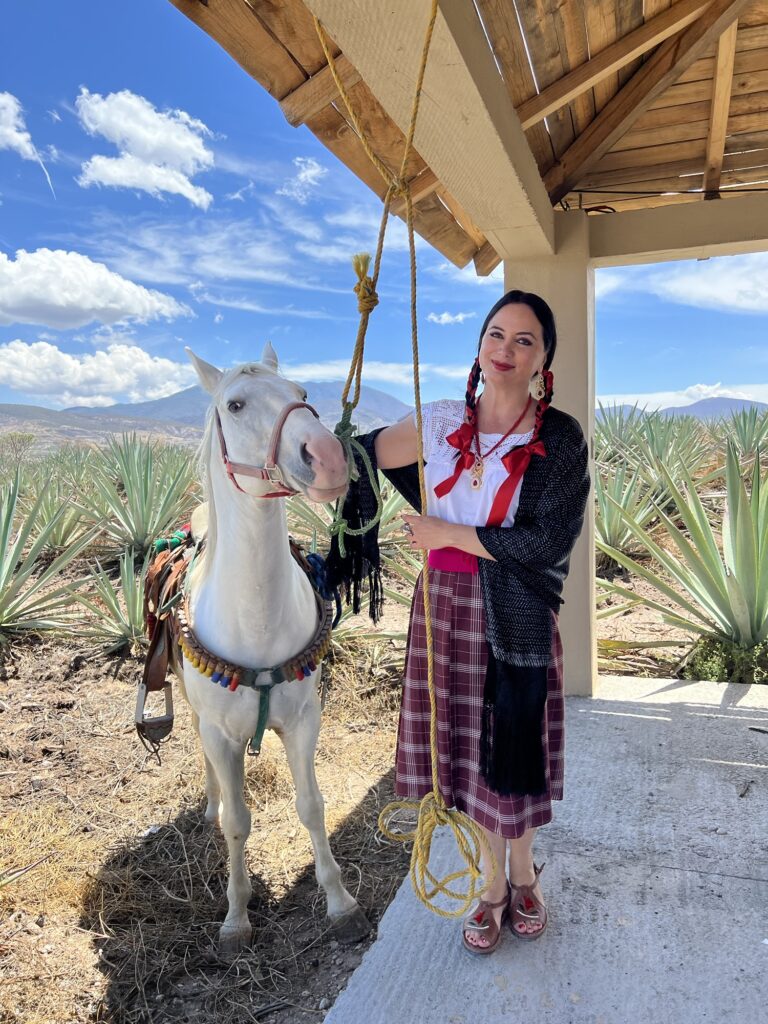
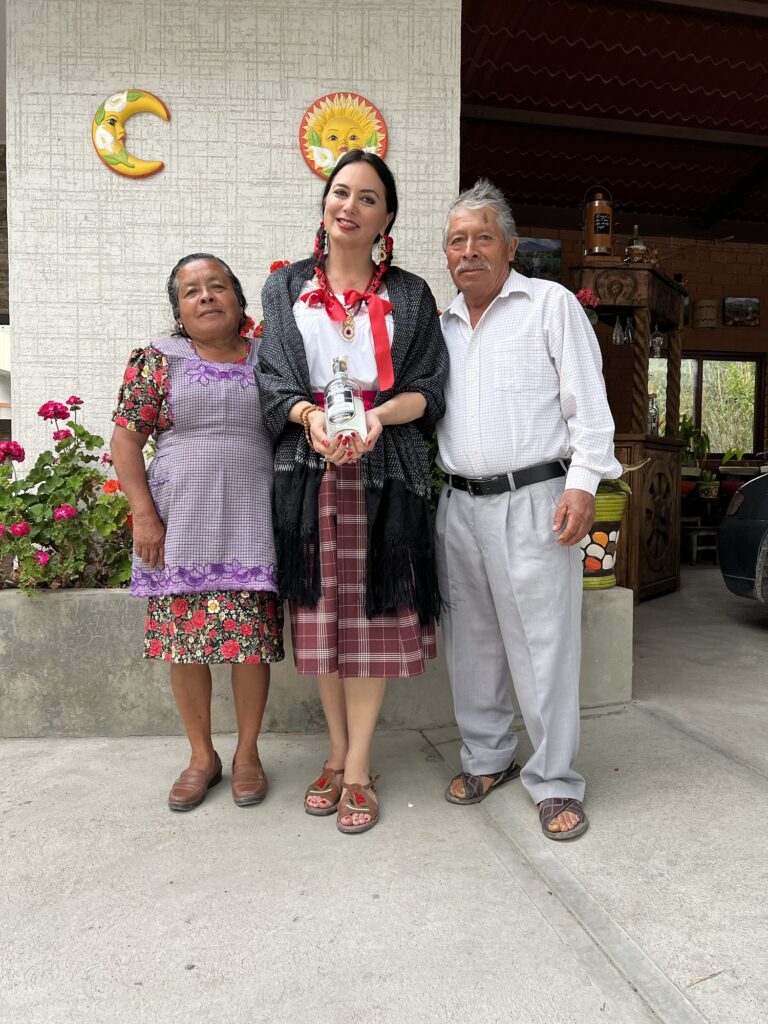
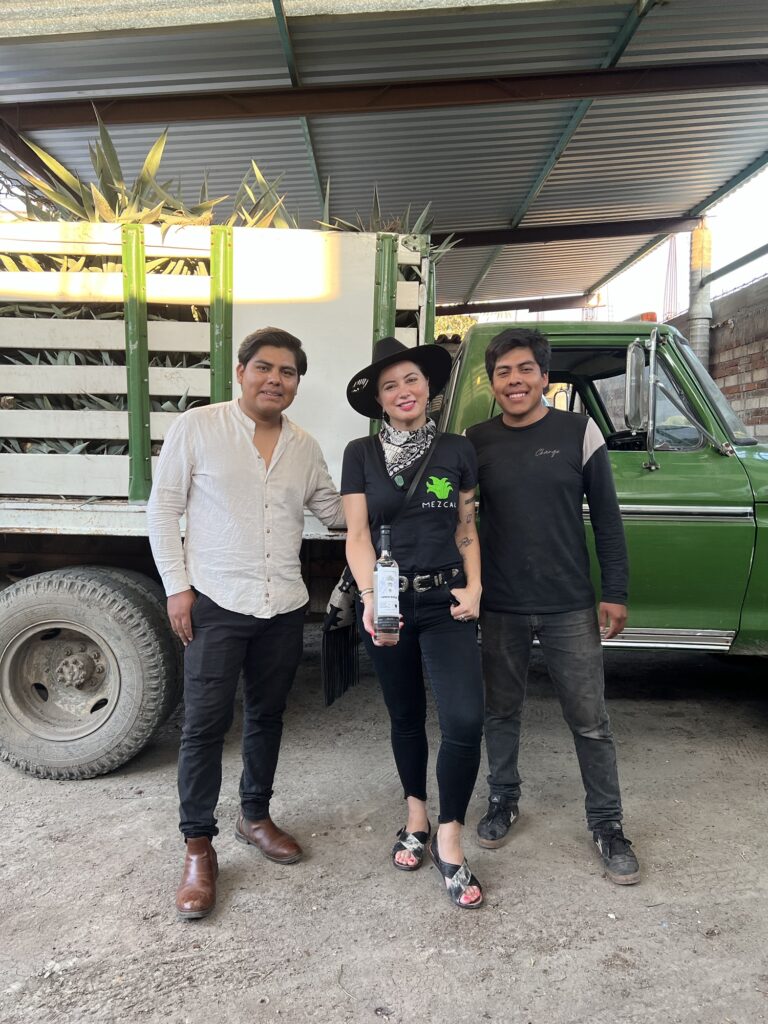
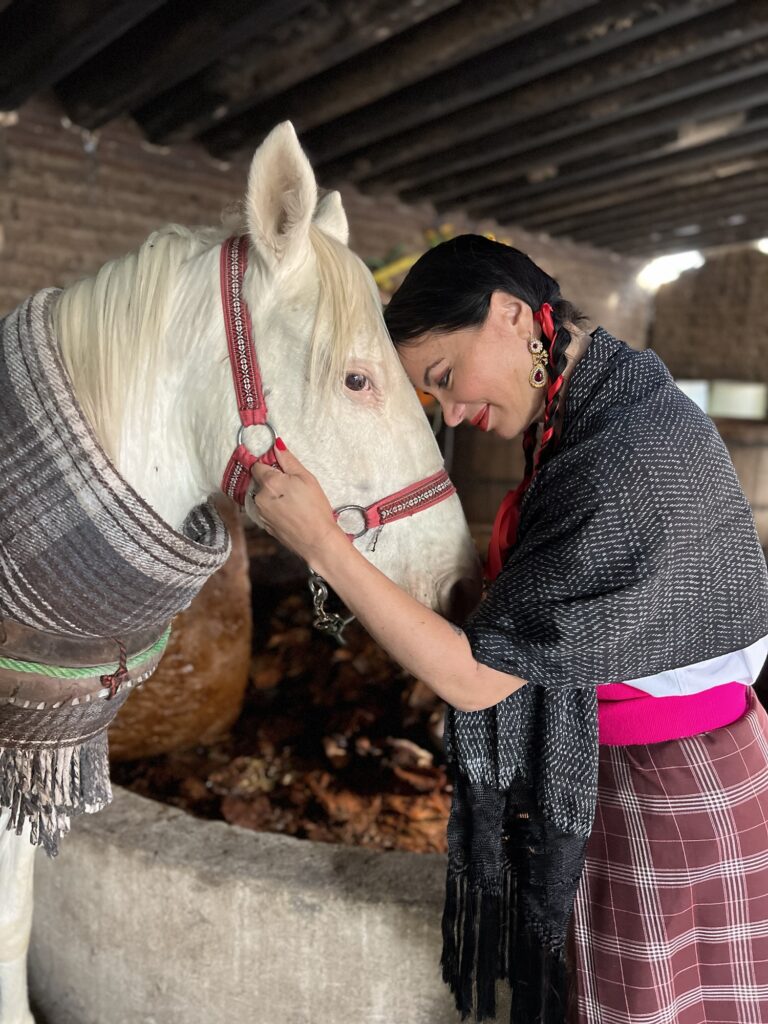
Santiago Caballero, Saint Patron of Matatlan. Real Matlatl distilleryAlambique with Don Tacho’s engrave at Real Matlatl distillery in Santiago Matatlan Maestro Israel Pérez Santiago of Son de la luna Palenque with Montserrat Franco in Santiago Matatlan Montserrat Franco dressed in Valles centrales traditional outfit with “Son the horse” at Campo Rosal fields in Santiago MatatlanThe Blas family, Mezcaleros family and Montserrat Franco in Santiago Matatlan The Santiago brothers Rodrigo and Omar of Campo Rosal and Montserrat Franco in Santiago MatatlanRubio the horse and Montserrat Franco at the Amado’s family palenque in Santiago MatatlanMom and daughter mezcaleras, The Hernandez of Mezcal “Desde La Eternidad” at their mezcal shop and distillery in Santiago Matatlan
Origins:
Santiago Matatlán is a name derived from Nahuatl words; Matlatl, which means net, and Tlan, which means place, so Matatlán means “place near nets.” It was established in 1575, with land titles issued in 1714.
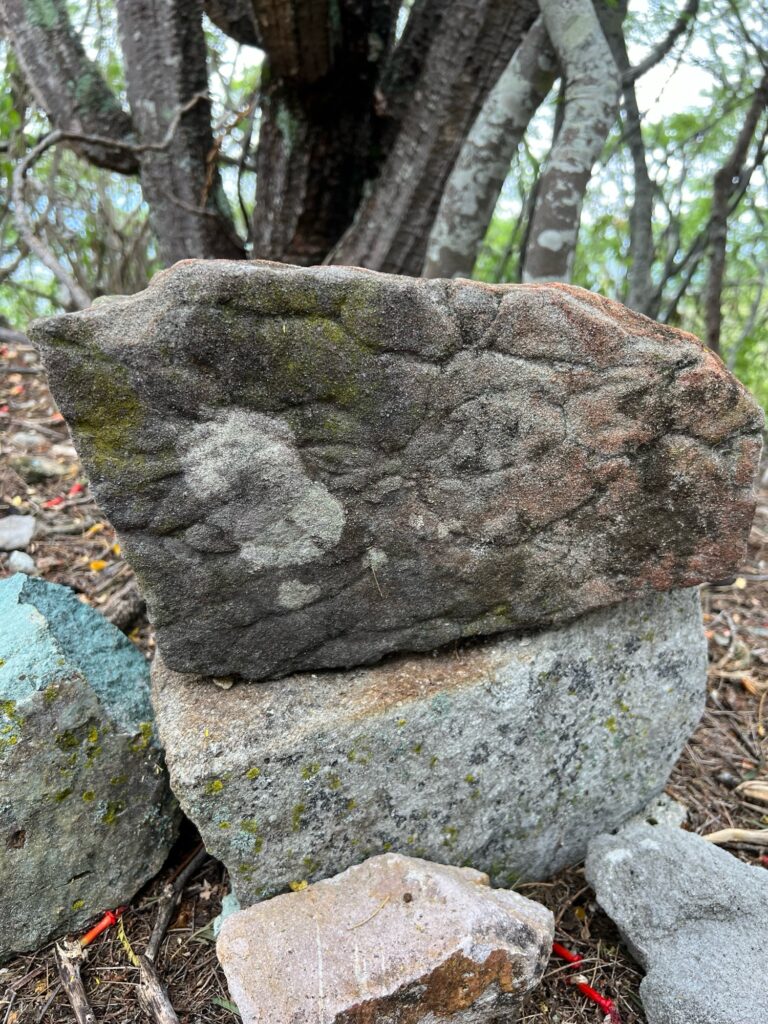
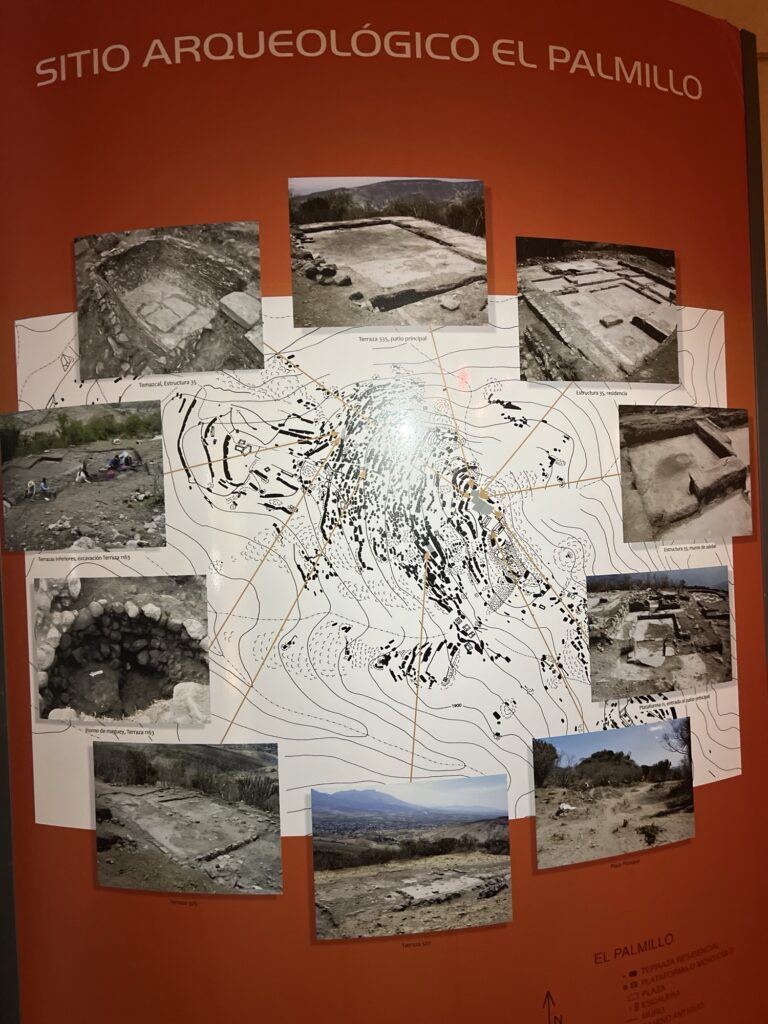
The ancient settlement of this Zapotec city, now an archaeological site that its own inhabitants buried again after the excavations as a way to safeguard the memory of their ancestors, “El Palmillo,” is located in the blood hill or “Ta Guiil Reiñ” in Zapotec.
The archaeologists led by Gary Feinman and Linda Nicholas discovered El Palmillo at the end of the 20th century. The Zapotec civilization, which flourished between 500 BC and 750 AD, built the site, which over time became an active urban center.
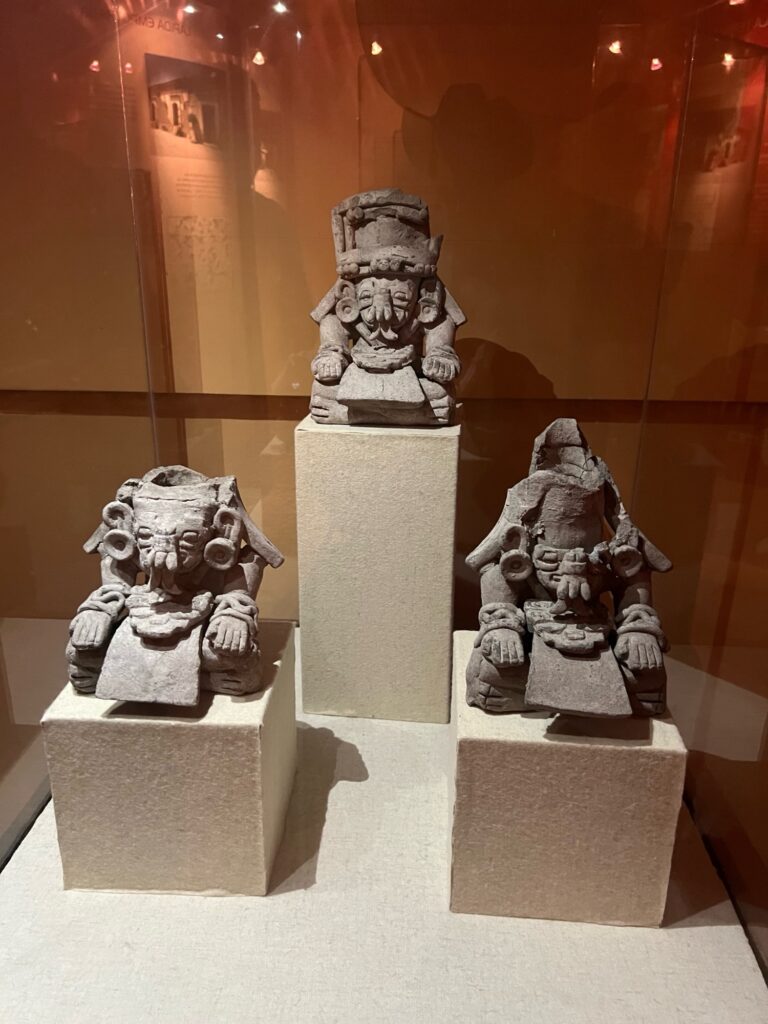
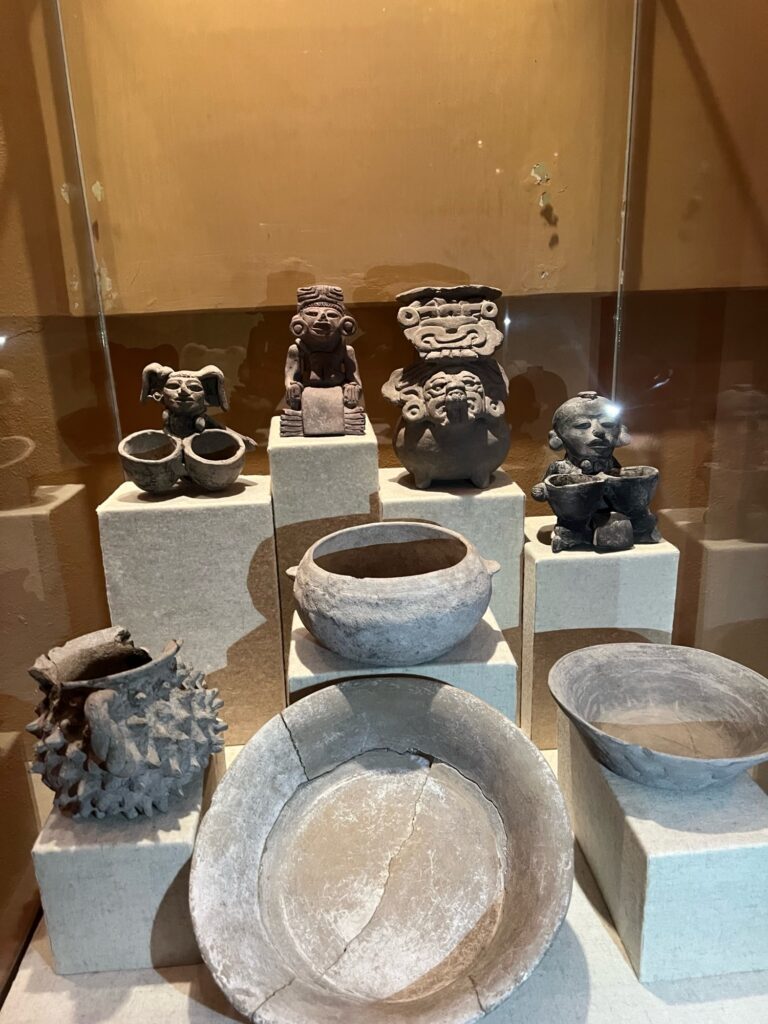
The Community Museum “Ta Guiil Reiñ” preserves pieces that were found at the archaeological site. This museum was inaugurated in 2012 to preserve its history, archaeology, and mezcal culture.
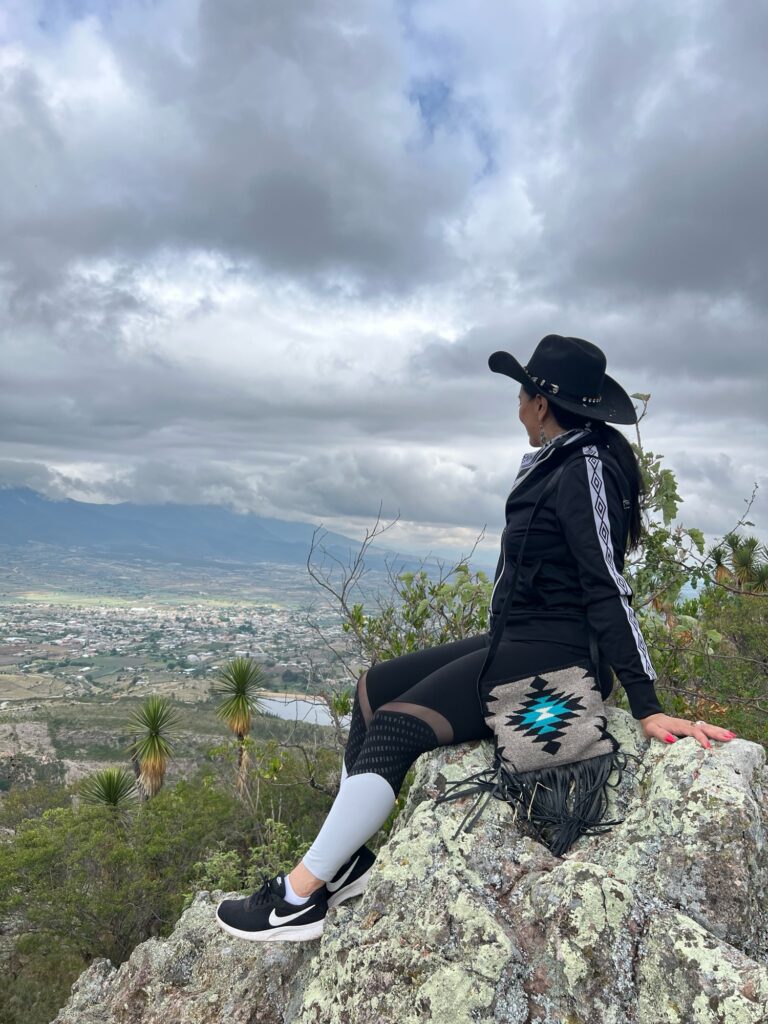
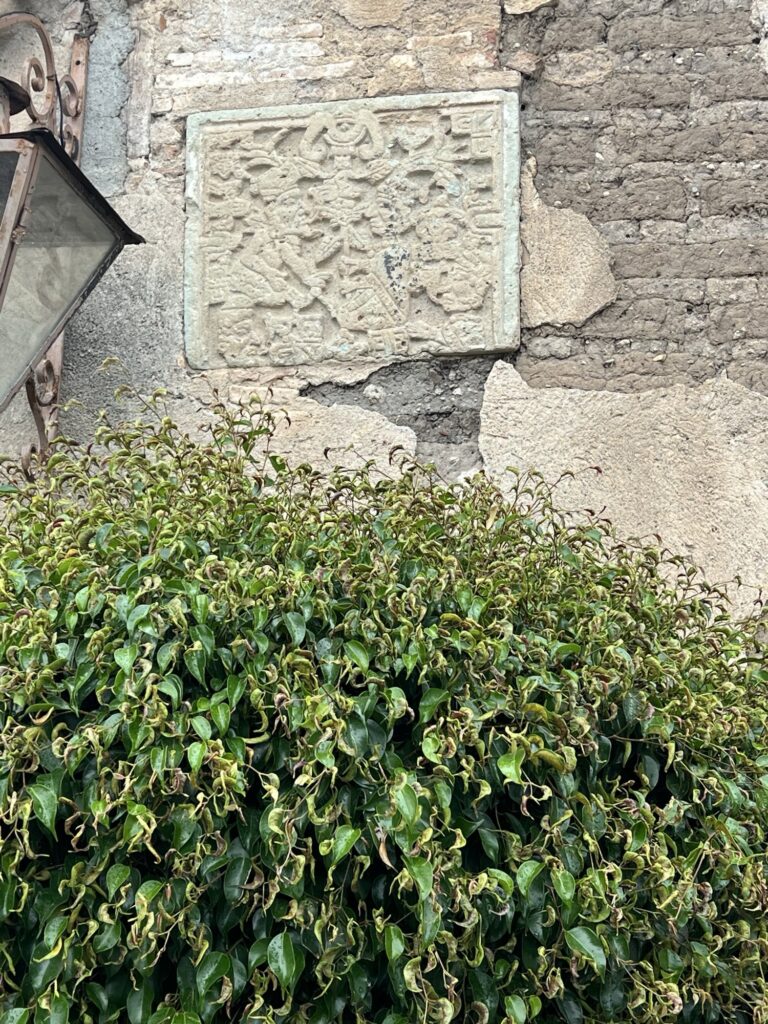
Cosijo shaped urns at the Community Museum “Ta Guiil Reiñ” of Santiago MatatlanDiverse pottery found at El Palmillo site in Santiago Matatlan, in permanent exhibit at the community museumMontserrat Franco at the top of the hill of blood “Ta Guiil Reiñ“ El Palmillo Santiago Matatlan One of the carved stones found at El Palmillo site The tombstone found at El Palmillo site at around 900 AD, lies at the facade of the Mendez Leon residence since 1750 in Santiago Matatlan. The original structure of the Zapotec settlement at the time of discovery by the archaeologists team.
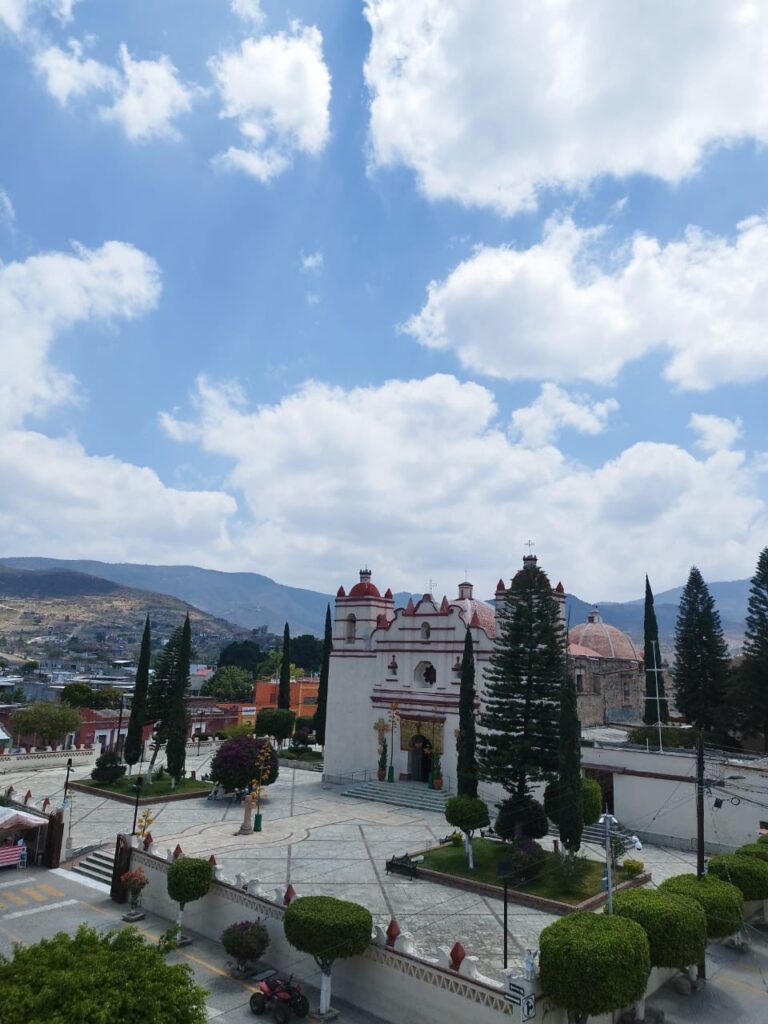
Temple of Santiago Apóstol: A 17th-century church with a baroque, Churrigueresque-style main altar.
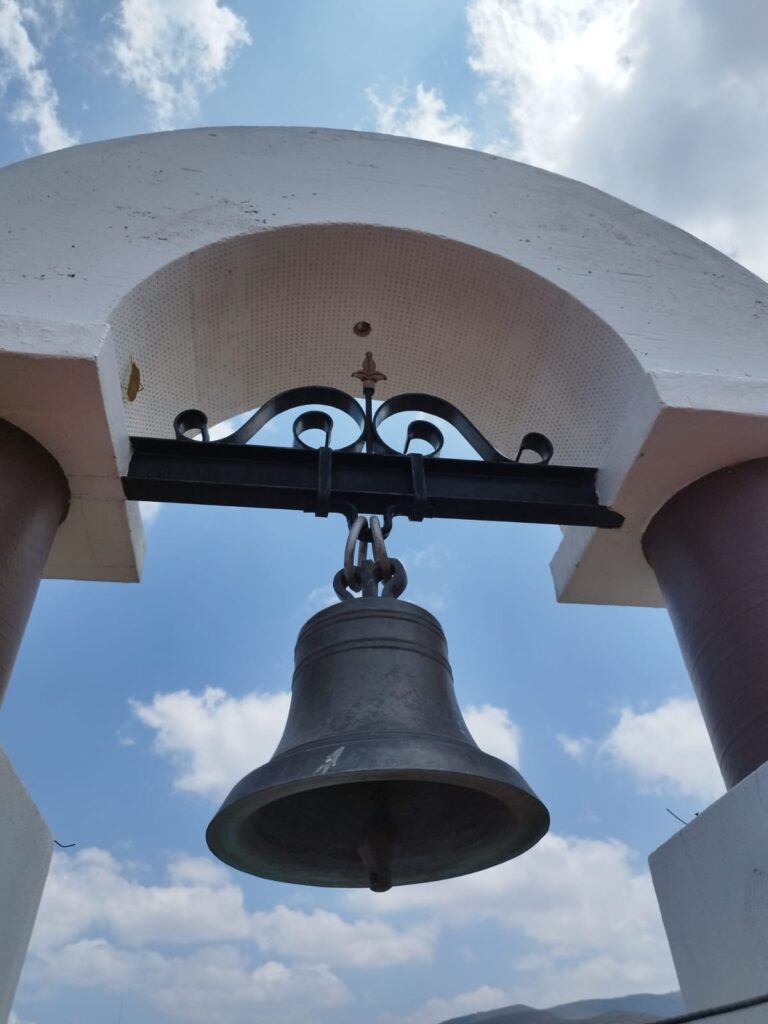
Santiago Apostle Temple. Photo by Israel Perez Santiago The city hall bell. Photo by Israel Perez Santiago A view from the city hall. Photo: Israel Perez Santiago From the choir of the Santiago Apostle Temple. Photography: Israel Perez Santiago
Matatlan today
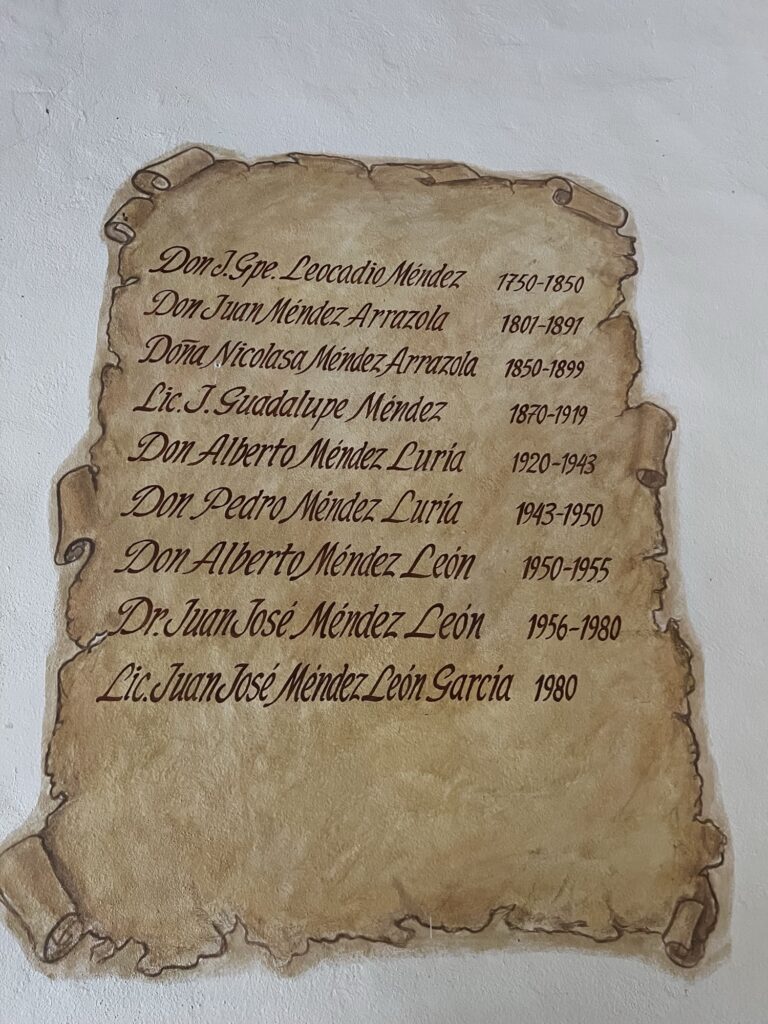
Santiago Matatlan’s Mayor Juan José Mendez León, comes from a long lineage of agave farmers, distillers and leaders in the world capital of mezcal.
With a 6th generation, Juan José’s family is one of the oldest producers. His father was one of COMERCAM’s (Mezcal regulatory council) founding members, who helped establish the DO (Denomination of Origin) and the NOM (Normas Oficiales Mexicanas) in 1994, laying the foundation for the modern mezcal industry as well of helping establish Matatlan as the World Capital of Mezcal.
COMERCAM (short for Consejo Mexicano Regulador de la Calidad del Mezcal) is the Mexican Regulatory Council for Mezcal. This organization surveys the quality, authenticity, and certification of mezcal under the Denomination of Origin (DO) guidelines.
The State of Oaxaca produces more than 80% of the Mezcal within the DO of which Santiago Matatlan is responsible for almost 65%.
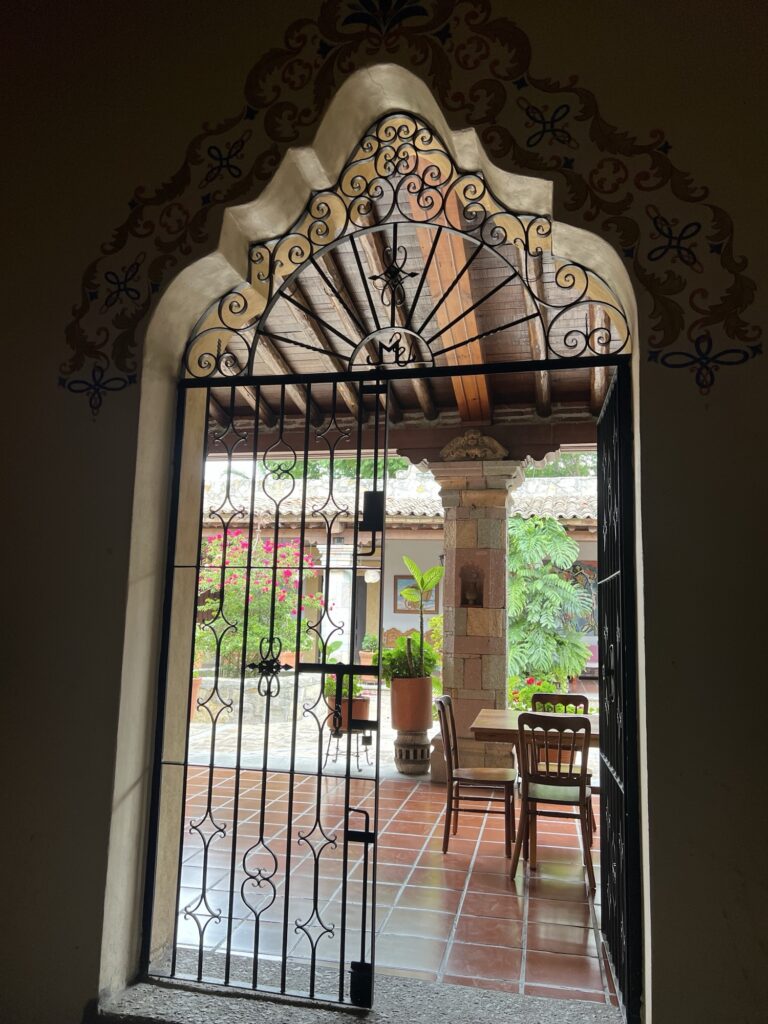
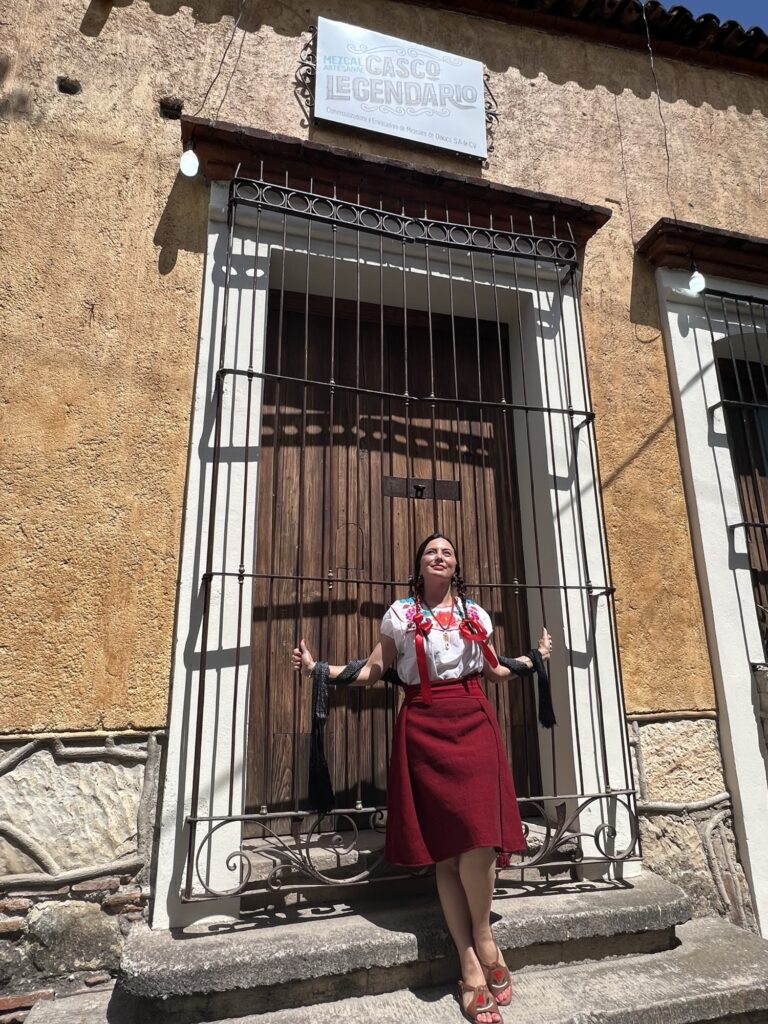
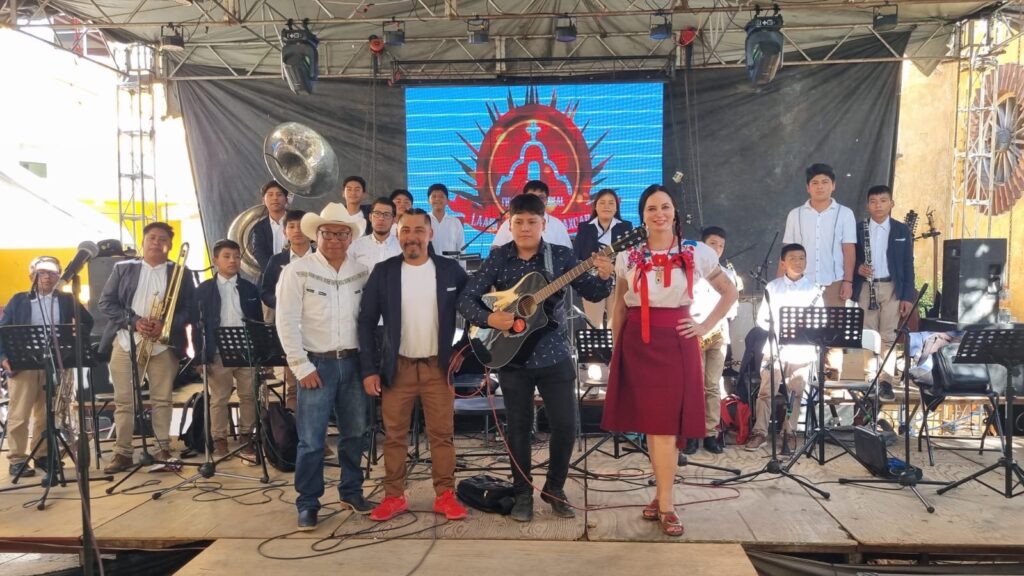
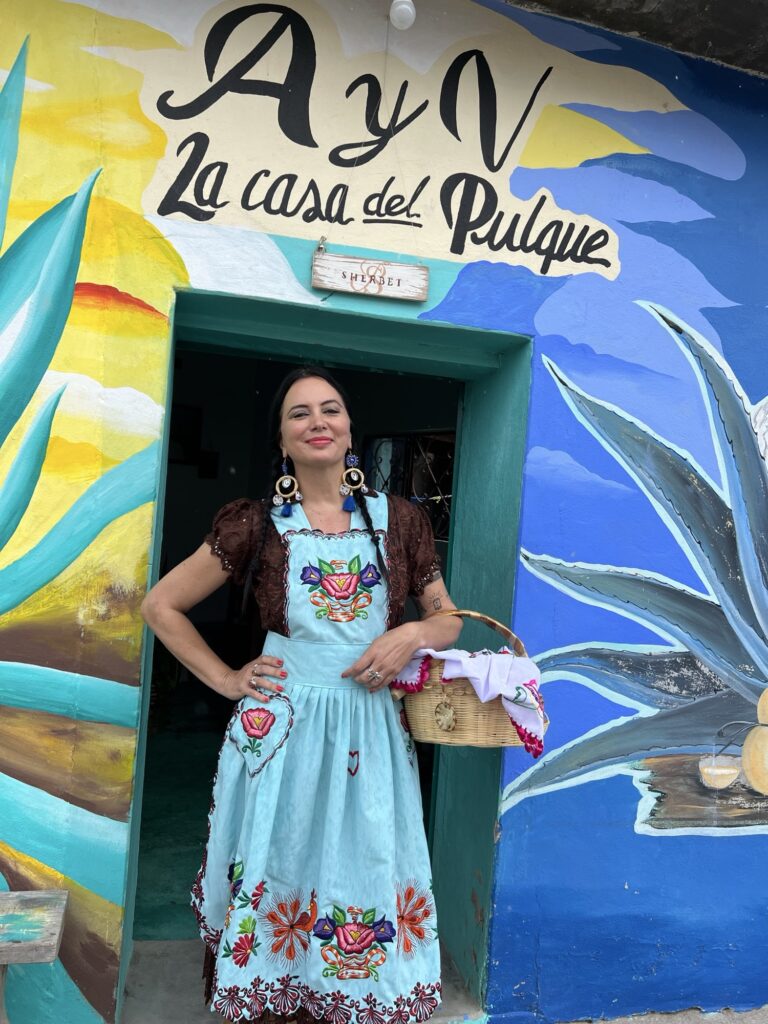
Santiago Matatlan’s Mayor Juan José Mendez Leon and Montserrat Franco at his 18th century family hacienda The Mendez Leon lineage started with Jose Guadalupe Leocadio Mendez who established the meson hacienda in the strategic location next to the temple.The entrance to the Mendez Leon iconic hacienda. The only residence in front of the Santiago Apostle templeMontserrat Franco in the Matatlan traditional outfit at the 18th century Mendez Leon hacienda The Tierra Matateca Band with director and agave farmer Carlos Hernandez, Mtro Israel Perez Santiago and Montserrat Franco performing at the Gran Fiesta del Mezcal Montserrat Franco at La Casa del Pulque in Matatlan. Pulque is the sap extracted and fermented from the maguey Pulquero (Agave Americana)
If you go:
Ta Guiil Reiñ Community Museum contact here for hours of operation
El Palmillo archeological site (not open to the public, independent hiking trails can be arranged)
Listen to Soy Espadin presented live at the Gran Fiesta del Mezcal of Matatlan in July 2023.
References:
Gibran Rivera: Caracterizando la producción y organización de los mezcaleros en Matatlan, México “Capital mundial del mezcal”
Javier Urcid: A Zapotec slab in Santiago Matatlan, Oaxaca.
Museo comunitario Taguil Reiñ
Interviews with:
Lic Juan José Mendez Leon, Mayor of Santiago Matatlan and producer at Mendez Leon.
“Oaxaca remains an intact gem that will continue to remind us of our past, our ancestors, our true origins that shall never be forgotten.”
You might recognize it if you’ve seen the movie Nacho Libre, or if you’ve tasted the famous quesillo (also known as Queso Oaxaca) or its renowned “muerteadas” that the Etla Valley is famous for, which are celebrated on the eighth day after Day of the Dead.
On this post, I’ll provide you with all the information you need about the Etla Valley. It might seem confusing because there are multiple Etlas, but the entire valley holds significant historical importance. It was one of the oldest Zapotec settlements, even predating Monte Alban. In fact, the early hieroglyphic Zapotec writings were discovered at the site of San Jose El Mogote (600 BCE)
San Jose El Mogote
And we should probably start the tour here: San José Mogote was the largest and most important settlement in the Valley of Oaxaca during the Early and Middle Formative periods (ca. 1500-500 BCE) of Mesoamerican cultural development.
San José Mogote is considered to be the oldest permanent agricultural village in the Oaxaca Valley and probably the first settlement in the area to use pottery.
Some of the artifacts from the San José Mogote archaeological site may be viewed in the town of San José Mogote’s Community Museum, which is located in the El Cacique Ex-Hacienda.
Ex-Hacienda El Cacique founded in 1686, today the Museum El Diablo Enchilado, incense holder from the phase Monte Alban II Jade figure found at the site of Dan Jose El Mogote from the Monte Alban II (200 BCE) Urns representing the Lord Bat with the Cosijo deity. Montserrat Franco on top of the San Jose El Mogote pyramid Monument 3 at San Jose Mogote. The two shaded glyphs between his legs are likely his name, Earthquake 1.
Reyes Etla
You might recall that charming church and its adjacent courtyard from the Nacho Libre film. If you take a few steps behind the church, you’ll find an unexcavated ceremonial site.
A site that dates from the Monte Alban I (250-500 BC) inhabitants from Etla and pilgrims from other villages would still come to this date to venerate, make petitions and sacrifices to the sacred serpent carved stone as they ancestors did.
It was strategically located to face the four cardinal directions; a ball game and a whole village was also built around the ceremonial site; today only a few stones remains of these ancient city.
This is a true example of syncretism that colonialism couldn’t erase from the collective memory of the true owners of these lands. A church and convent was built, a different name and figure was given for worship; they would still come to make petitions to the ancient stone for a better harvest, for the health of a family member, for that family member that’s overseas.
“The Lord of las Peñitas” is celebrated on fifth Friday of lent, the people, who intuitively follow faithful atavistic way the tradition of venerating this huge rock that has life and who listens to who makes “a petition”. Legend says that the day of the creation God imprinted his footstep on the rock.
This permanence of spirituality in our time of materialism, globalization and neo-liberalism is a true human treasure; Oaxaca remains an intact gem that will continue to remind us of our past, our ancestors, our true origins that shall never be forgotten.
While visiting Reyes Etla, don’t miss the opportunity to buy and savor quesillo, the village where this delicious cheese was accidentally invented. You can find it at any local stall or the market.
Quesillo stall at the Quesillo Festival in Reyes Etla Quesillo makers during the annual Quesillo Festival Reyes Etla A view of the Etla valley and Villa of Reyes Etla Sanctuary of The Lord of the Rocks (Las Peñitas) and film location of Nacho Libre The sacred serpent stone A rock formation at the base of the hill contains a fossilized footprint, attributed in legend to God or Jesus resting there
The Village of Etla
This is center of all Etlas, known for its historic ex-convent, vibrant Wednesday market with local cheeses and tamales.
It serves as the local government for several other communities and offers a blend of Oaxacan culture, history, and natural beauty, with many nearby accommodations in the surrounding Etla valley.
Founded in the 15th century, centered around the church and former monastery of San Pedro y San Pablo.
The name means “town of the land of beans” mixing Spanish and Nahuatl. “Villa” is from Spanish and means “town”
The famous steps at the Etla market, scene where Nacho Libre walked.An herbs vendor at the Wednesday market in the Etla village Local fruits and veggies at the Etla market Produce booth at the Etla market Cafe Revolucion it is one of the staple coffee shops at the village of Etla Gourmet coffee by Cafe Revolucion located at the main plaza in the Etla village
Asuncion Etla
Muerteadas are celebrations during and after Day of the Dead in the Valleys of Etla.
Muerteadas are traditional celebrations during the “Octava” or the 8th day after Day of the Dead such as the popular one in Asunción Etla and many other villages of the Etla valley.
This muerteada is the most anticipated festivity by the entire village called Muerteada La Lallanera proudly organized by a dedicated team of “mayordomos” or community leaders.
On this night, residents dress in costumes adorned with small mirrors and bells. The mirrors are used to scare away the witches and the bells help guide the spirits in the night. The costumes are complete with masks that represent important muerteada figures such as the devil, the dead, the old, the priests and more characters.
Accompanied by various brass bands, they meander through the neighborhood, going from house to house, welcoming the spirits to come out. The festivity turns into an all-night parade that ends around sunrise.
It’s remarkable how many brass bands there are in the entire valley. As Oaxaca is indeed a land of accomplished musicians, certain areas like the Etla Valley are so prolific that they turn these festivities into a truly “battle of the bands.” You have to experience it yourself: the vibrant musicians of a 25-piece band playing together, five to six different bands facing each other, no scripts, no director, just the talent.
Oaxaca is renowned for its unique natural dyes, such as cochineal, which was once considered currency and used by cardinals in their capes and the monarchy. Another notable dye is añil, the famous indigo blue used by Levi’s. These pigments were integral to the textile industry. However, when small textile operations and natural dye production were replaced by massive operations in the East, all these factories were forced to close.
The Fabrica de Hilados y Tejidos La Soledad, established in 1883 in the quaint community of San Agustín Etla, was abandoned less than a century after its inception because of the arrival of chemical produced dyes and mass produced textiles.
Center for the Art (CaSa) San Agustin Etla todayThe old factory was transformed into a n art center by visionary artist Francisco ToledoThe Church of San Agustin, San Agustin Etla Fabrica de Hilados y Tejidos La Soledad, today San Agustin Arts Center (CaSa) One of the temporary exhibitions at CaSa showcasing clay pottery artisan Macrina of Mujeres del Barro Rojo San Agustin Arts Center (CaSa) They house spaces for interpretative visual art installations and learning.
In 2000, Francisco Toledo, one of the most resilient and prolific Oaxaca visual artists originally from Juchitan, Isthmus of Tehuantepec, initiated a project to transform the dilapidated building into an ecological arts center. This endeavor culminated in the opening of the San Agustin Arts Center (CaSA) in 2006. Today, the complex is adorned with water features, gardens, and remnants of abandoned industrial machinery.
It’s important to acknowledge Francisco Toledo’s legacy and contributions to the preservation of handmade art. He established the recycled paper factory in San Agustin Etla, where artistic paper is crafted from recycled agave byproducts, flowers, plants, maize, beans, and natural dyes. This unique process results in one-of-a-kind artworks including labels for Mezcal brands that want to put the sustainable mark.
References:
Evans, Susan T. (2004). Ancient Mexico and Central America: Archaeology and Culture History. London: Thames and Hudson. ISBN0-500-28440-7
Tras los pasos de los dominicos [Following the footsteps of the Dominicans]. Reforma (in Spanish). Mexico City. December 17, 2006.
Also known as the Birdland sanctuary; El Portal (from the Spanish “The Gate”; named this way because of the two main wooden gates that were placed at the entrance of the village) is one of the very first archeological sites registered in Miami Dade County.
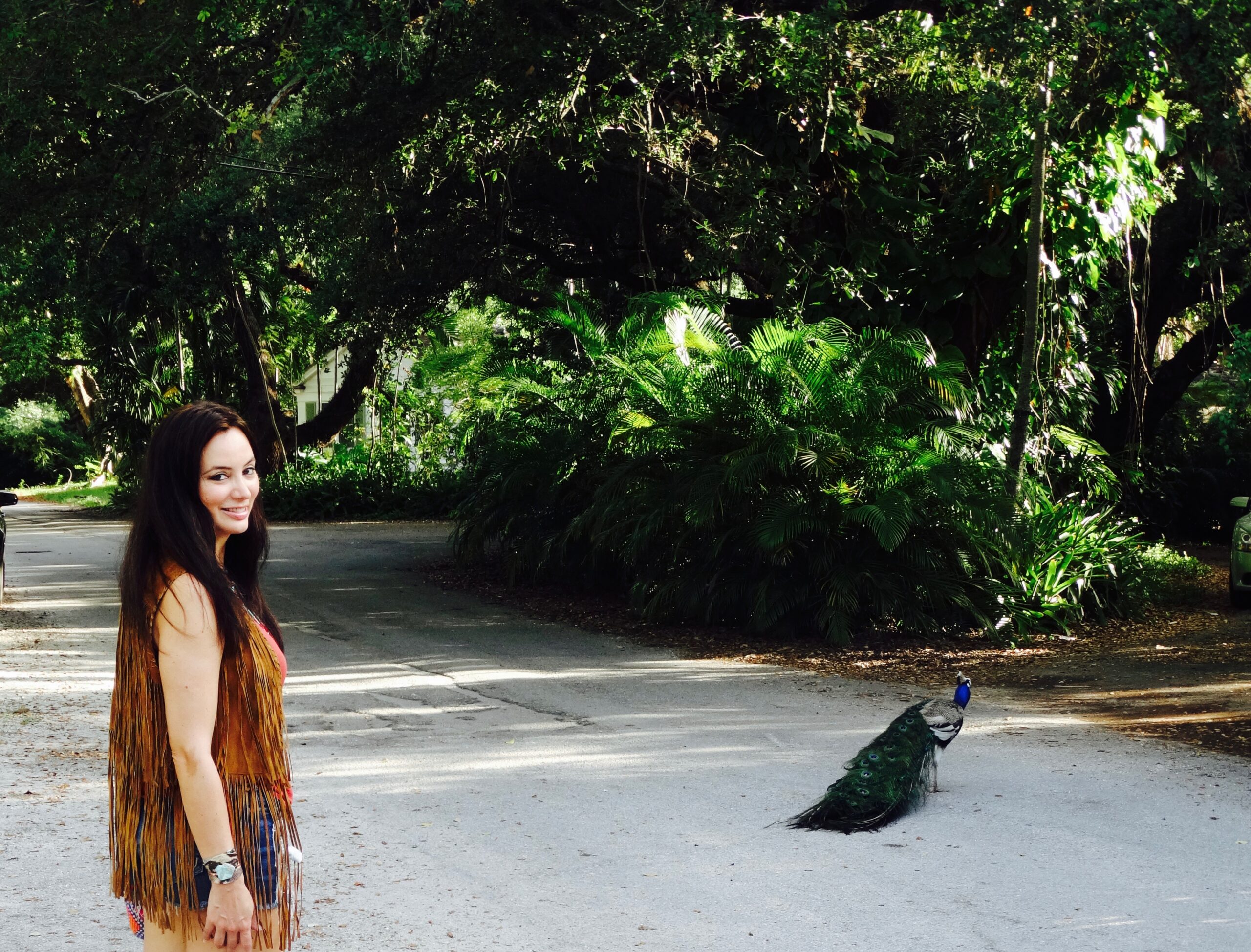
Because El Portal isn’t a touristic attraction opened to the public; please be cautious if decide to visit, respect the nature, the silence and the neighbors. El Portal is a residential village were peacocks walk free; an almost enchanted forest with hundreds of year old trees guiding the path to a Tequesta Indian Burial site.
The Tequesta Indians; one of the first people of today’s South Florida lived in the areas known as the Biscayne Bay and the South bank of the Miami River including what is today the Village of El Portal. In 1560 Admiral Pedro Mendendez de Aviles took contact with the Tequesta Indians who were later transferred to Cuba, converted to the new faith and later vanished.
One of the ancient trees at the Village of El Portal, a sacred habitat.
Once at El Portal; I had my first encounter with that exuberant vegetation and the endless variety of botanical species; because of my Native American origins I felt the need to visit the site and respectfully give back to the earth what is from the mother earth: I had kept for the longest time a few ritual instruments I received from the Mbya Guarani Indians back in Paraguay which I deposited on to the sacred mound. I prayed in silence and felt in harmony with the nature.
This tablet marks the habitation mound of the Tequesta Indians
One of the typical scenes at El Portal: Peacocks crossing the road
I thought this was also one of the cutest signs: Caution: Duck crossing
In addition El Portal is a certified Wildlife Habitat, as a source of the Four Basic elements needed for wildlife to thrive: food, water, cover and places to raise the young spices. I discovered signs marking the pathways while numerous butterflies revealed their beautiful colors. This site provides also the necessary milkweed, nectar sources and shelter to sustain monarch butterflies as they migrate though North America.
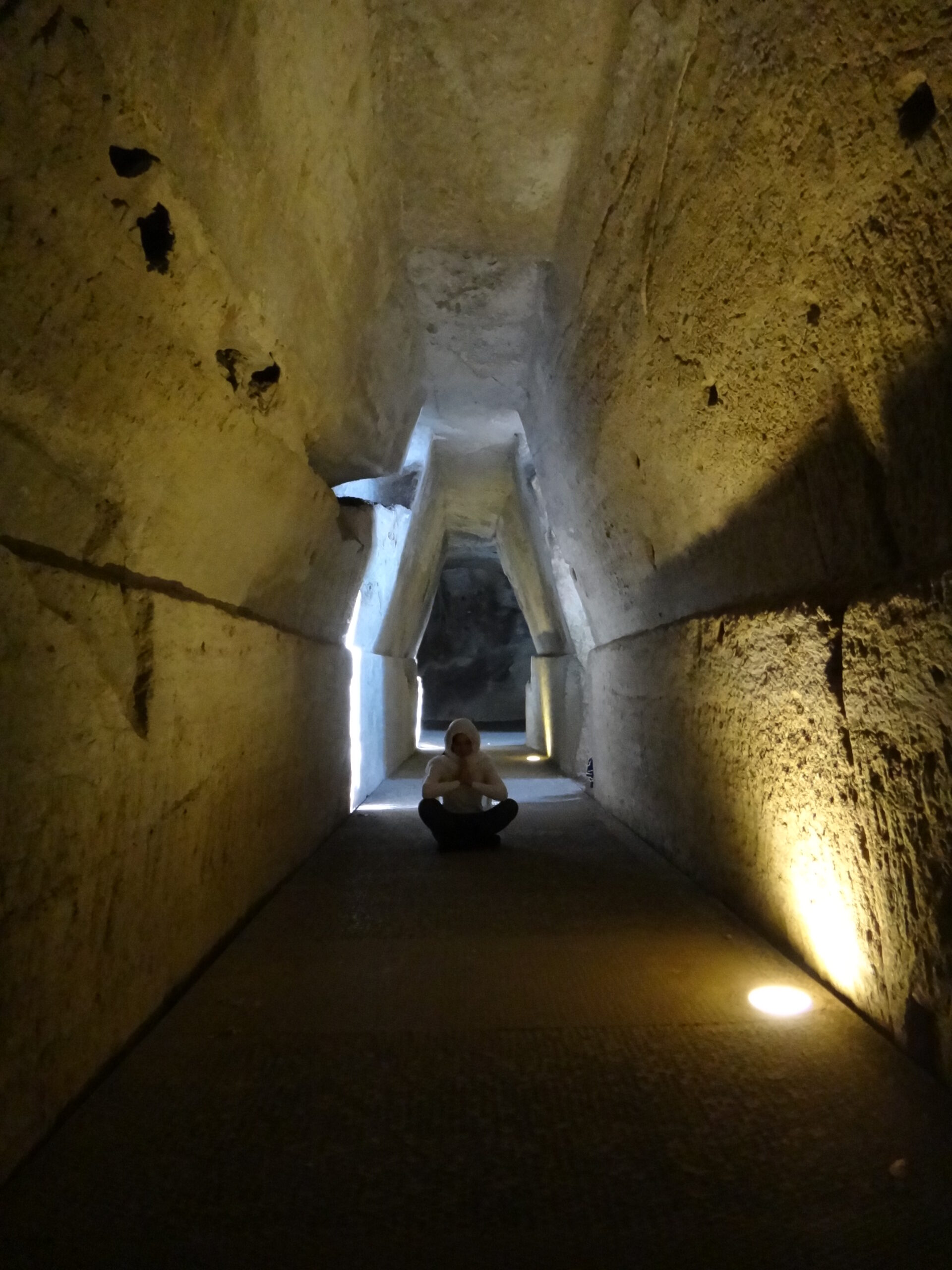
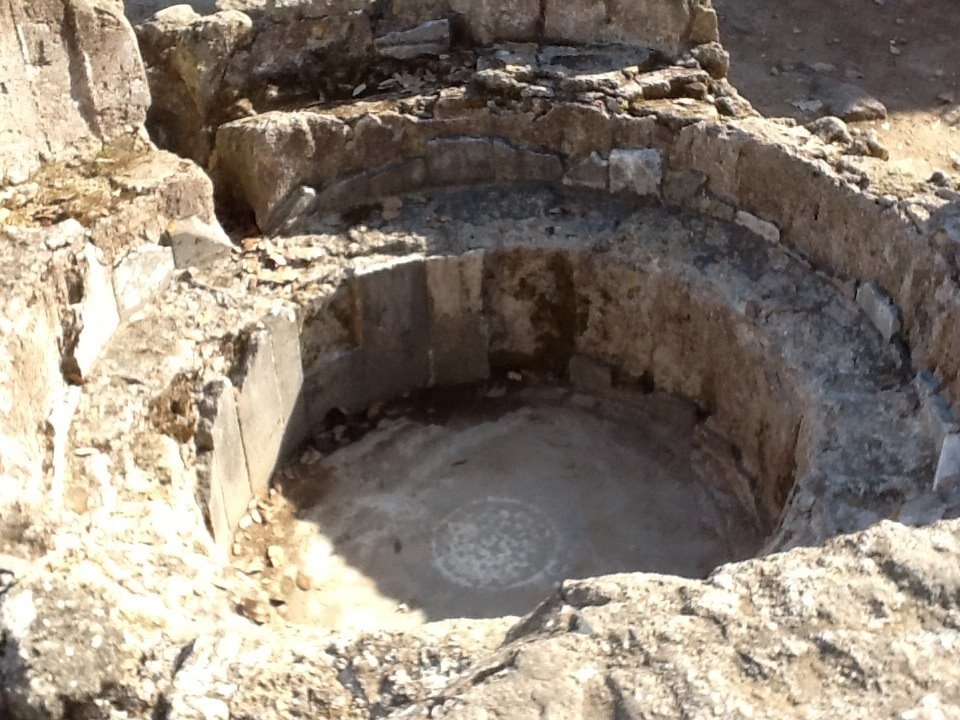
The Sibyl’s cave: according to the myth, this was where to find the Cumaean Sibyl; the oracle consulted by Aeneas. The tufa passage way, trapezoid in section is naturally illuminated by narrow fissures and ends in a vaulted chamber. The system connects Cumae to lake Averno.
The wide arc of land around the Pozzuoli Bay has been known for centuries as the Campi Flegrei (The Phlegraean fields) or Burning Fields, because of the constant volcanic activity. Mud still bubbles from the clay bed of the solfatara and in places the ground is still hot, you can easily boil an egg if you place it under the soil.
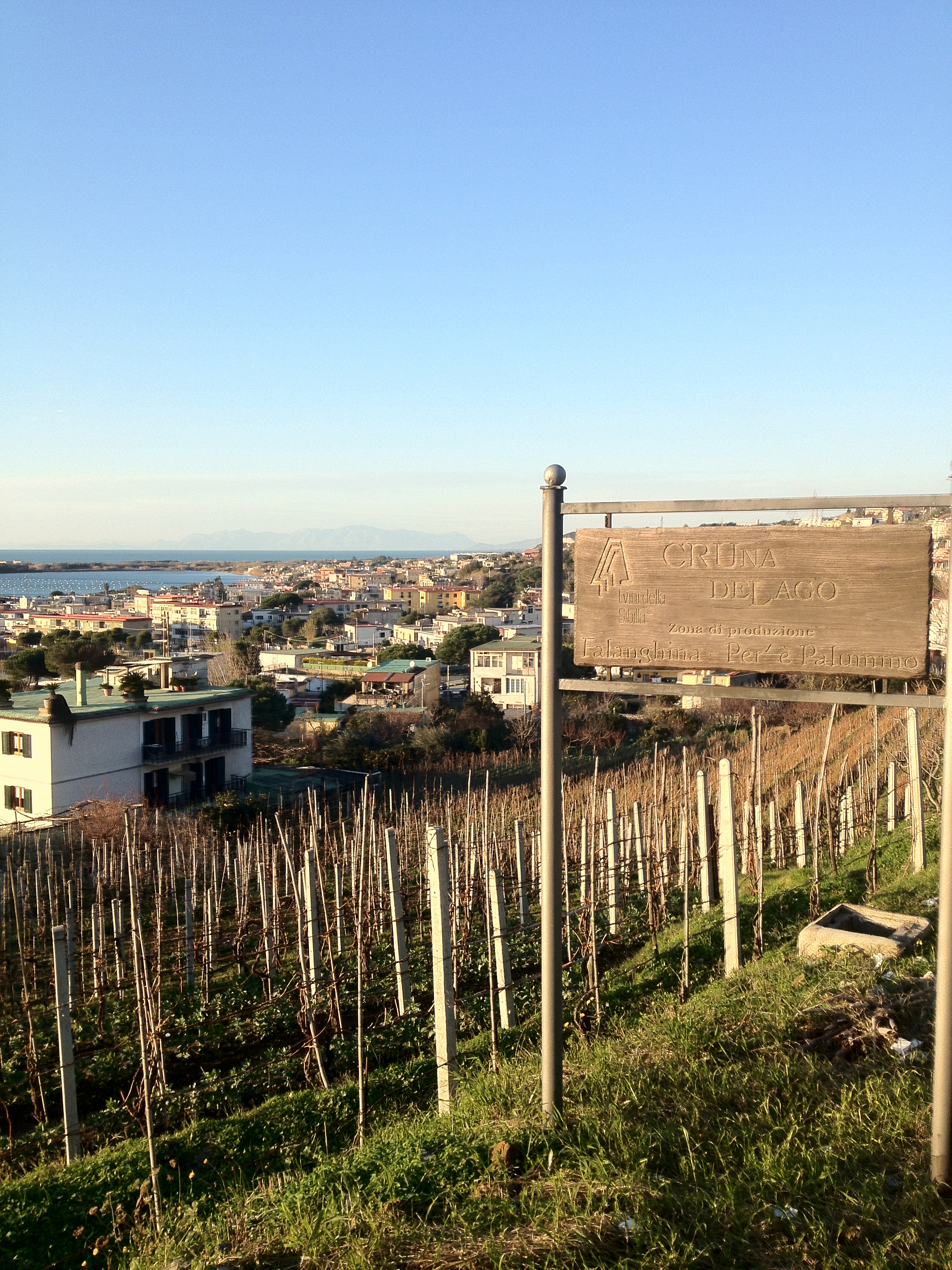
La Sibilla winery is located in the historic Phlegraean fields overlooking the sea, the minerality of the terroir makes the perfect soil for the ancient grapes of Greek origins including Falanghina and Per’e Palummo also known as Piedirosso
Over time some of the Phlegraean craters became lakes. Lake Averno thought to be the entrance of hell and owes its name (a-ornon in Greek: without birds) to the once suffocating vapours.
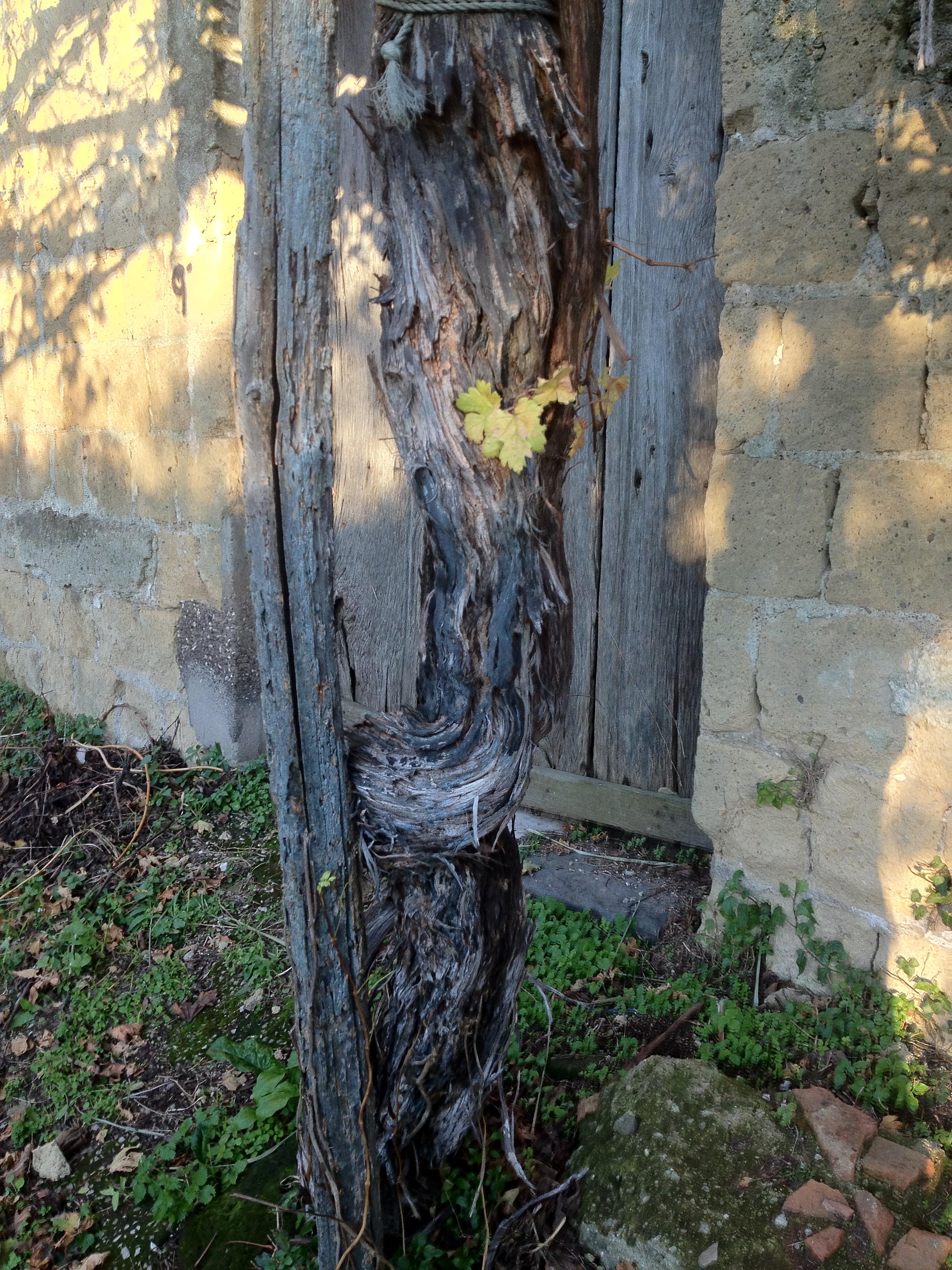
A 200 years old vine of Piedirosso at La Sibilla winery. Piedirosso (red foot) is also called Per’e Palummo in Neapolitan dialect which literally translates to dove’s foot.
At the end of the 1st century BC, its almost sacred character declined after the construction of Porto Giulio, a systems of channels that connected the sea and the lakes, ships first reached the outer port in Lake Lucrino and then the inner basin of Lake Averno, connected to Cumae by the tunnel through Monte Grillo. The port was abandoned when silted up and trade was transferred to Miseno.
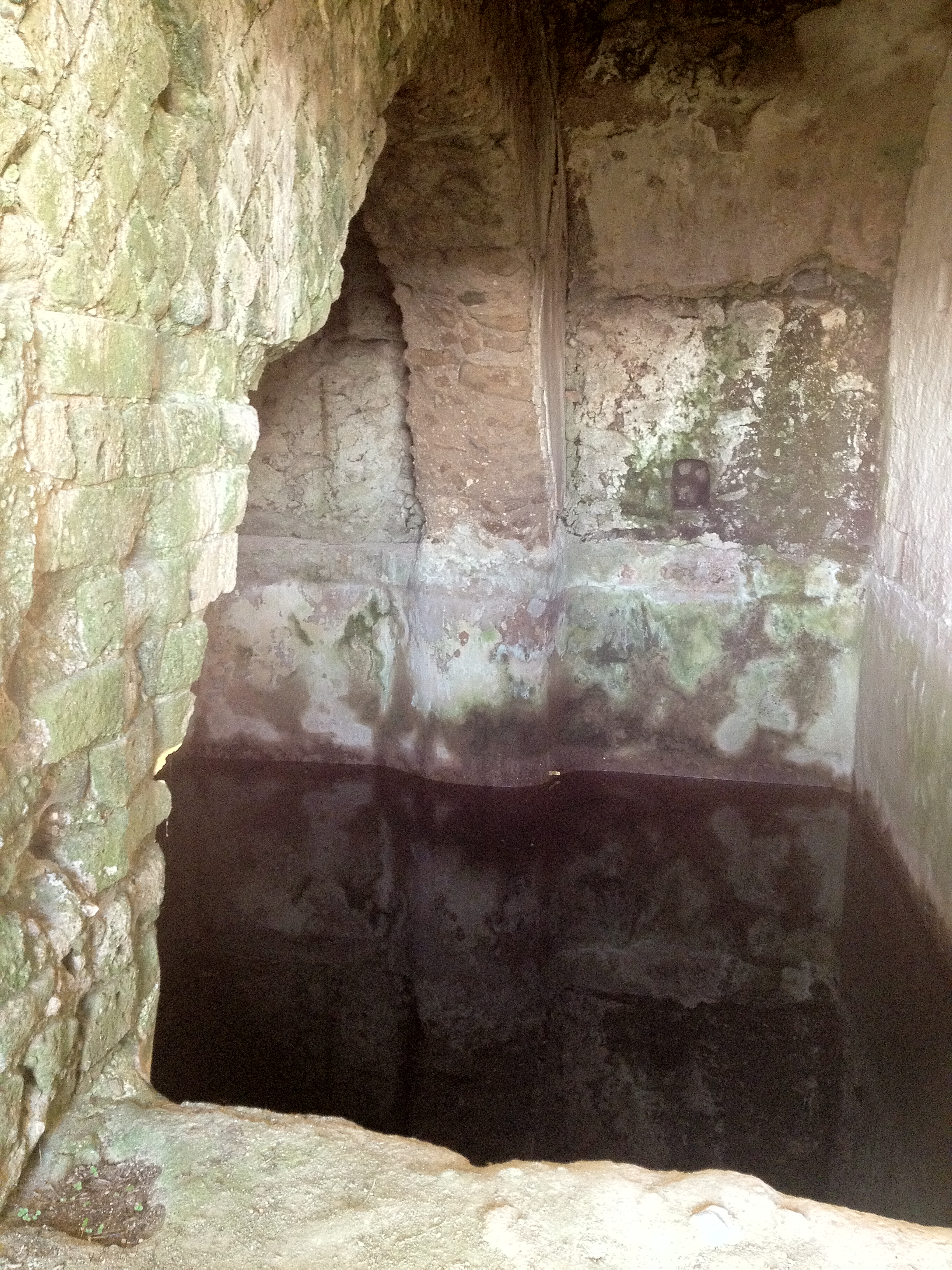
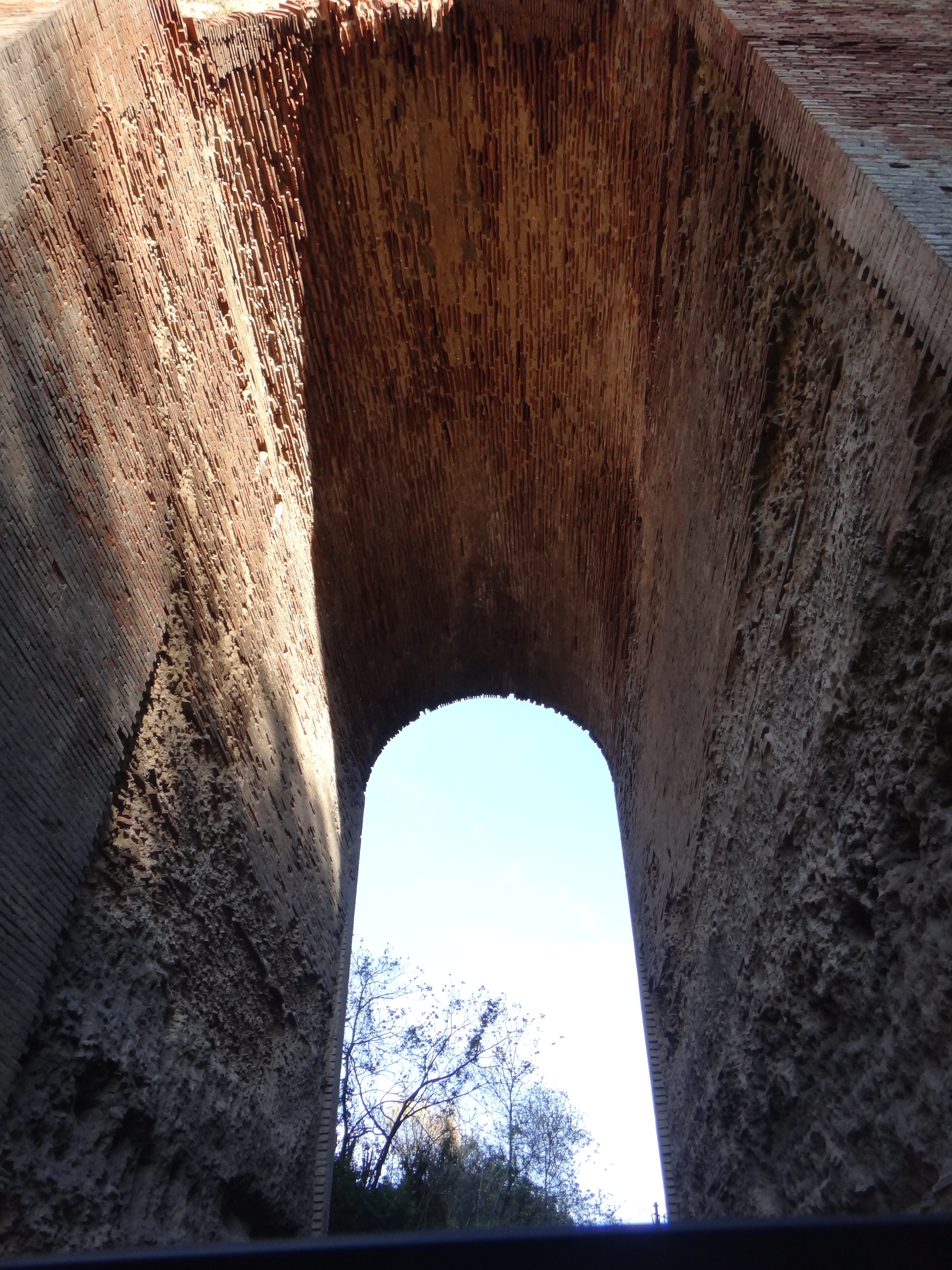
The aqueduct from the 1st century BC can be seen on the land where is now La Sibilla winery in the Phlegraean fields
The “Enoarchaeology” is practiced here from the “terroir”, the land located in an archaeological site to the ancient viniculture techniques used by the first colonies of Greeks who founded Cumae
The ancient cave inside La Sibilla winery produces excellent wines featured in AIS Duemilavini and Slow Food’s Guide to the wines of Italy
The key that opens the cave of La Sibilla
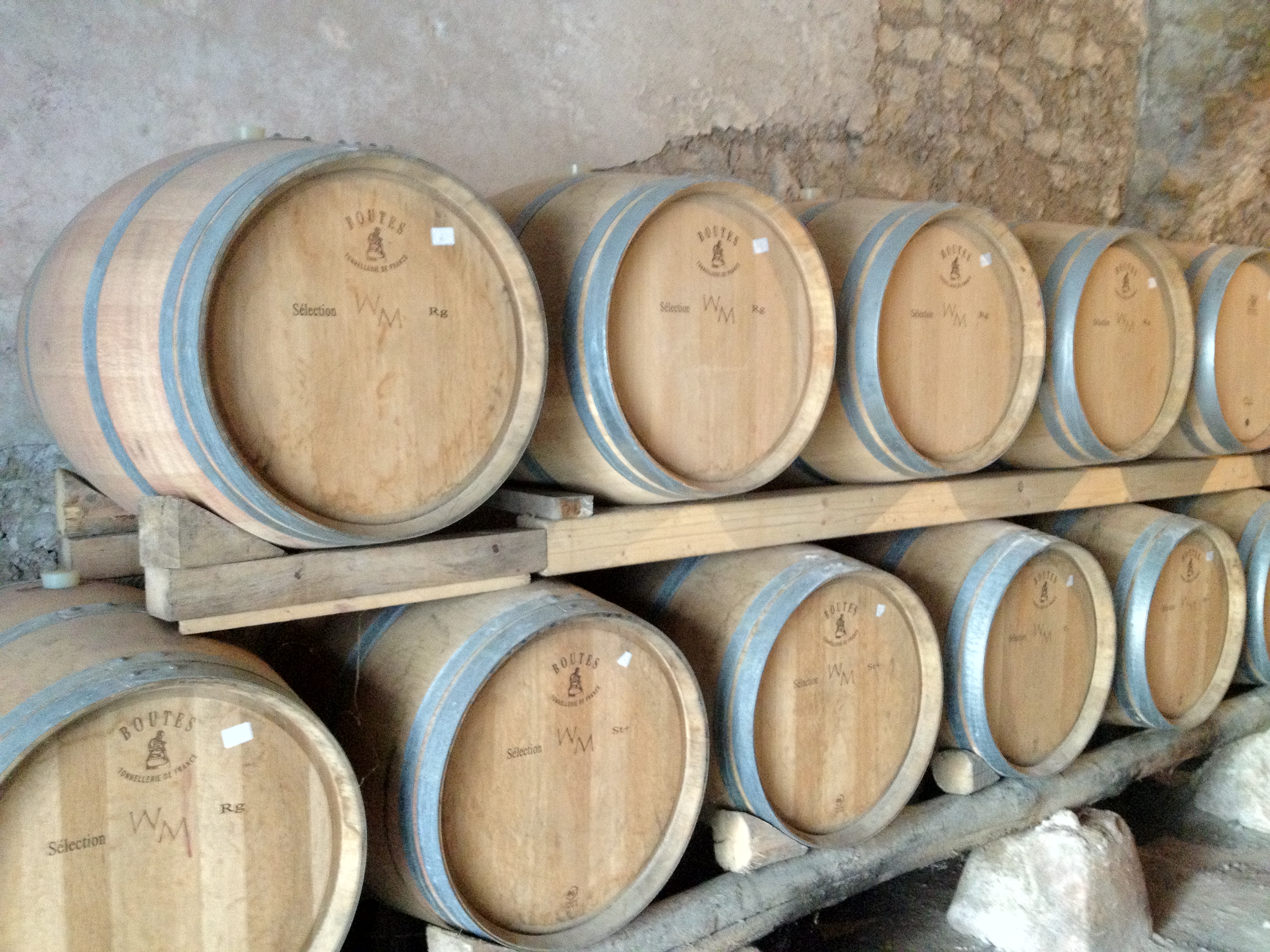
Piedirosso is aged for 18 months on French oak barrels at La Sibilla
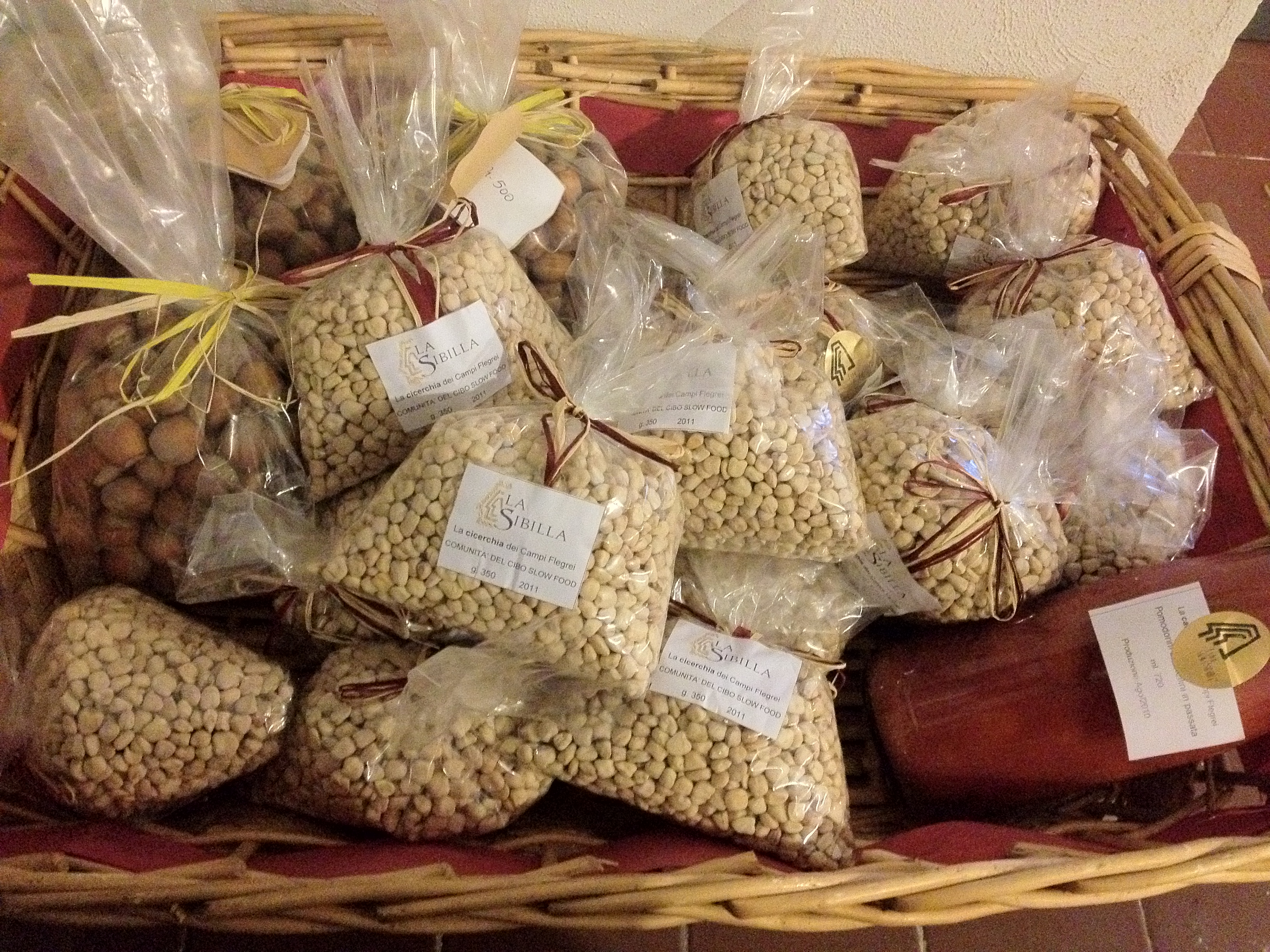
Example of biodiversity were vines coexist along with other agricultural forms. The Azienda Agricola La Sibilla participates in the Slow Food commission and has some legumes on a DOP category such as the chickpeas (ceci) of the Phlegraean fields historically cultivated by the Greeks in this land.
Vincenzo di Meo, young enologist in charge of the family owned winery La Sibilla conducting a wine tasting of his own production.
Cumae
Founded in the 8th century BC by Greeks stationed on Ischia, Cumae is one of the oldest colonies of Magna Grecia. The founders of this colony came from Eubea, a Greek Island of the Aegean sea.
Cumae Archeological Park. Cumae was a powerful port for centuries and resisted the Etruscan but succumbed to the Romans in the 3rd century BC becoming a Roman colony.
The remains of the Temple of Jupiter, this ancient sanctuary became an early Christian church, the altar and the baptistery pictured here.
Arco Felice and entrance to the archeological site. The Roman city grew up over the ruins of the Greek city in the 5th and 6th centuries but was utterly destroyed by the Saracens in 915.
Today, new discoveries by the Orientale University of Naples shows the artifacts used by the ancient Greeks to cook and eat their food, part of the Archaeogastronomy. A form of “ollae” or ceramic pot very close to our contemporary terracotta pots.
Villa Eubea and Vinaria, a cult to food and wine in the ancestral site
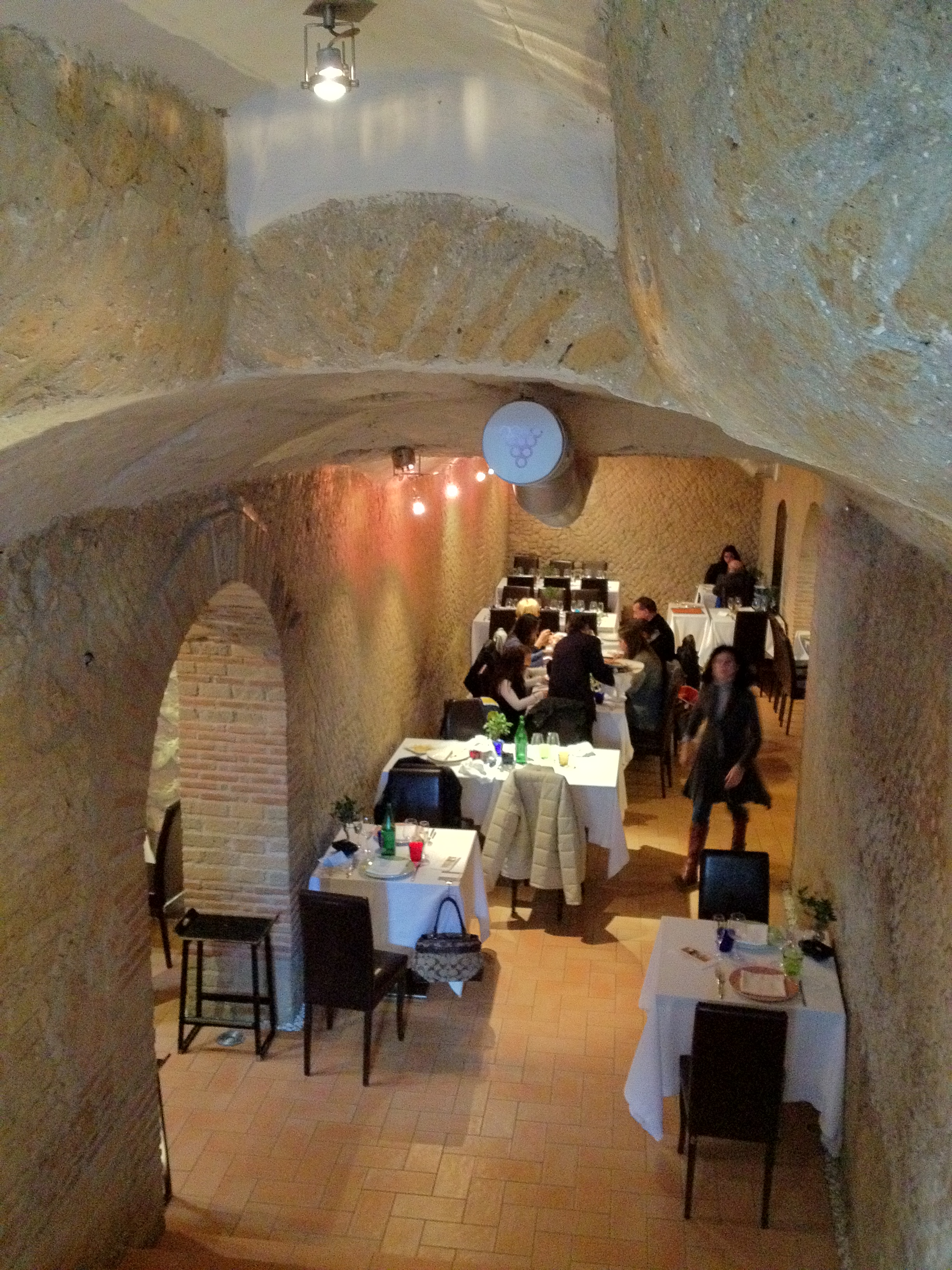
I had the full Archaeogastronomy experience inside the cave of Vinaria, the restaurant of Villa Eubea just a walk away from the archaeological site.
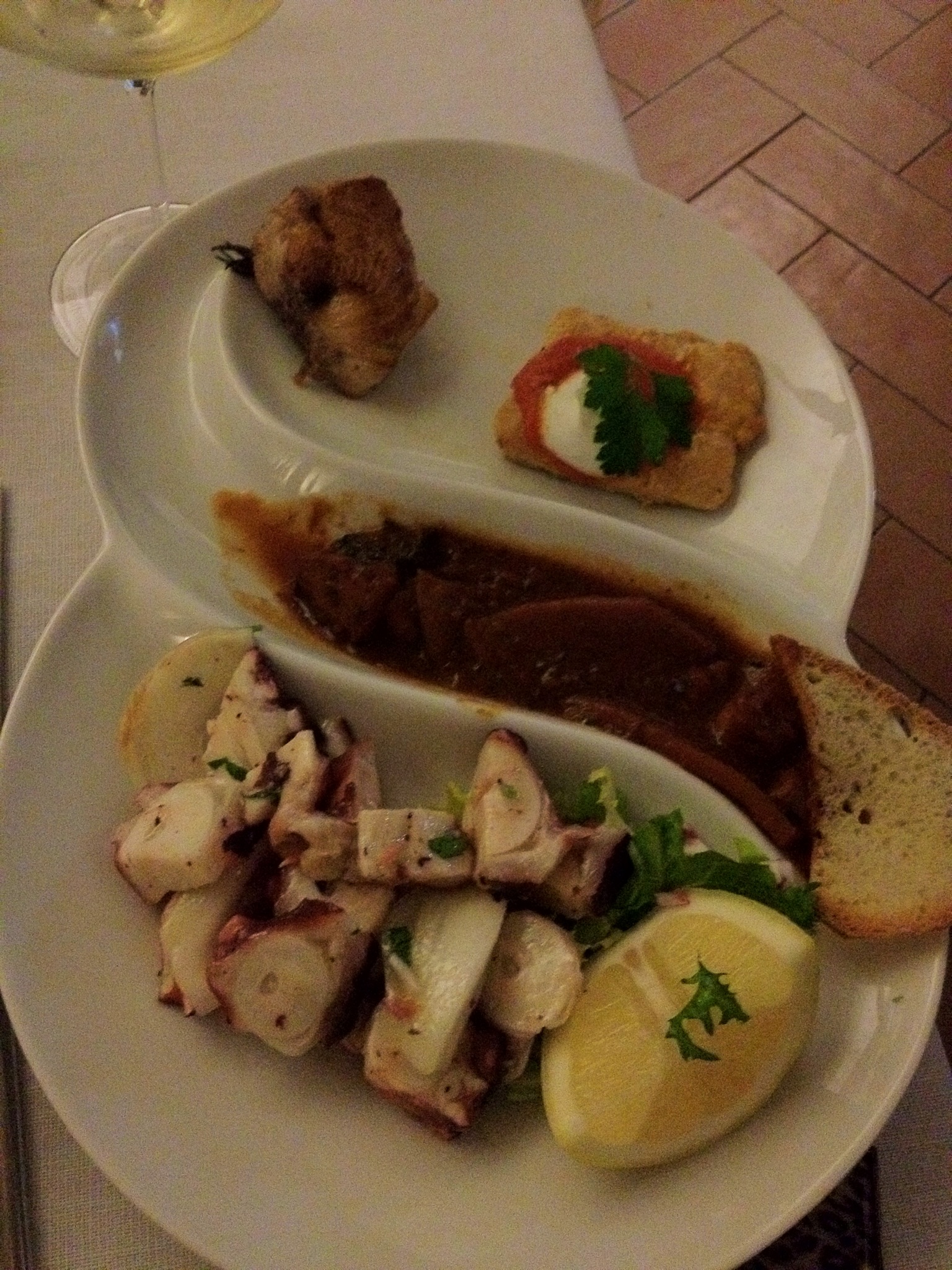
Sampling of seafood and fish at Vinaria including fresh octopus salad and fried grouper.
Grilled seafood and fish paired with organic grown veggies paired with Falanghina of the Phlegraean fields DOC.
Excellent dining experience at Vinaria wine & flavors, restaurant and cave.
The restaurant inside Vinaria’s cave
The sustainability of Villa Eubea and Vinaria where the vegetables used in their cuisine are organically grown on their very own site.
Lemon trees at Villa Eubea used for the restaurant’s consumption.
An old press at Villa Eubea, was still used here for years to get the last drops of juice from the local grapes.
Buried Greek towns and Roman ruins, reveal the region’s ancient history, the burning fields and their volcanic soil bringing up the flavors on this land that gives in return high mineral wine and delicious fruit and vegetables.
Next, we will explore the rest of this amazing territory going from Pozzuoli to Baia and Bacoli stopping by more wineries, restaurants by the bay and archeological sites. See you tomorrow, thank you for reading.
(c) 2013 Montserrat Franco, all pictures by me taken with IPhone 4S and Sony Cybershot.
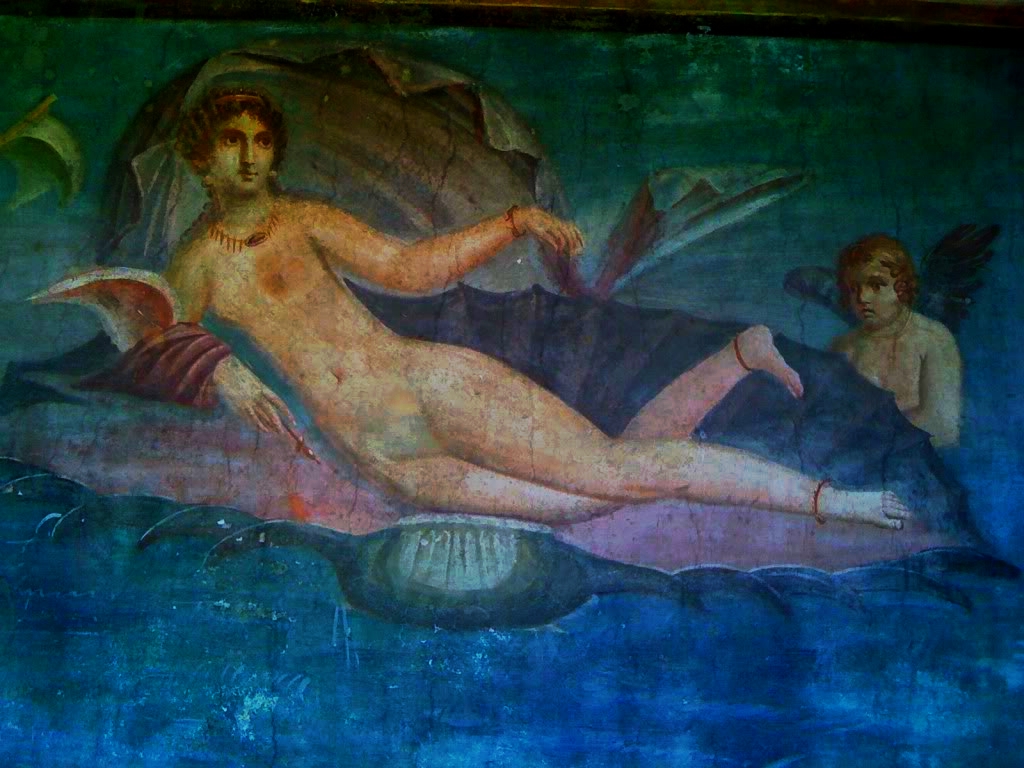
“The Goddess of Love” is one of my favorite frescoes inside the House of Venus. This fresco was discovered in 1952 located on the back wall of the garden, it portrays Venus with 2 cherubs in a pink seashell.
The remains of Pompeii were discovered by accident in the 1590’s when architect Domenico Fontana was excavating the canal to bring the waters from river Sarno to Torre Anunziata but it was not until the 1750’s that the site was seen as an archaeological treasure and one of the most important and well preserved examples of Roman civilization. Follow me on this amazing trip around the streets, houses and wineries of Pompeii, Herculaneum and the Vesuvius National Park.
The Amphitheatre, the oldest of its kind in existence, was used for gladiatorial combat and could hold 20,000 people. The stone tiers were separated in to different sections for the various social classes.
In 90-89 BC the people of Campania became Roman citizens. Naples (Neapolis) or the new city came in to contact with the growing power of Rome. In AD 79 the erupting Vesuvius buried a number of ancient Roman cities including Pompeii.
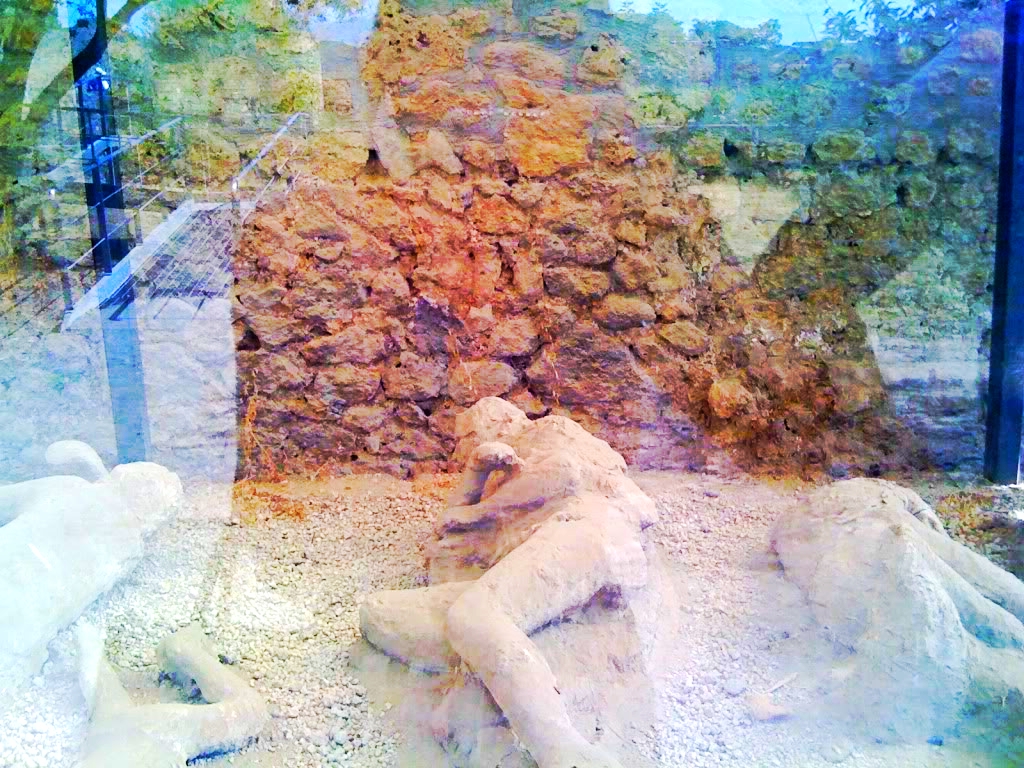
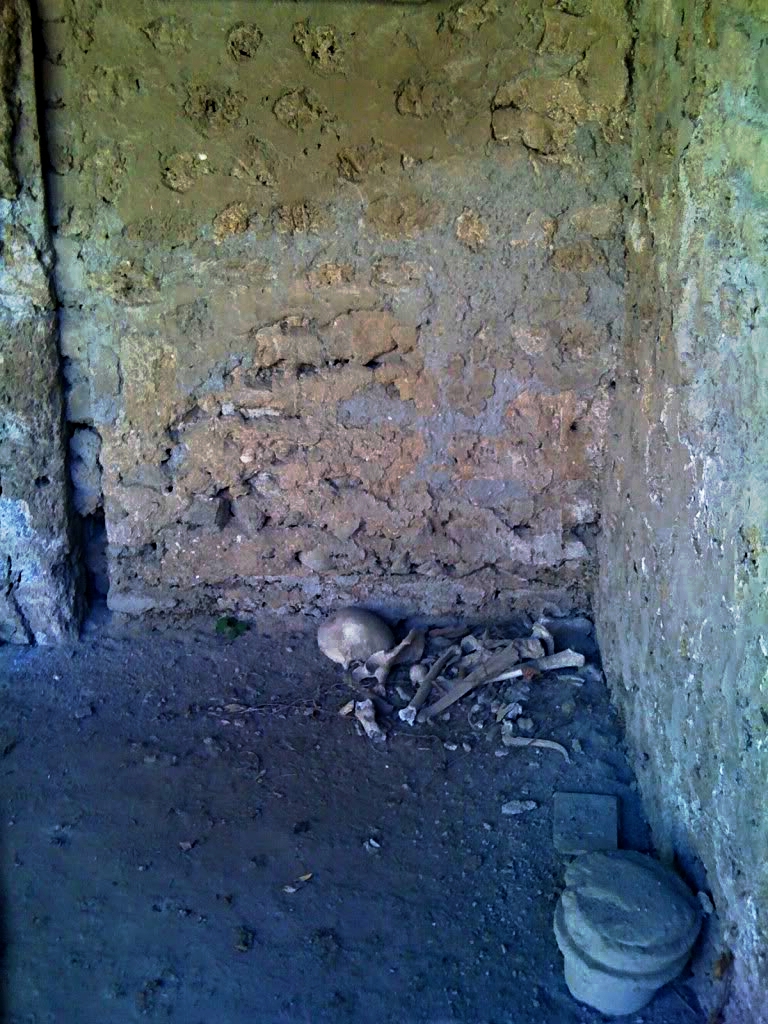
Ash and debris covered Pompeii and bodies were buried by a landslide of thick mud. People tried to scape but didn’t make it, many were killed by the toxic fumes while engaged in everyday tasks.
Wealthy residents in Pompeii had often well decorated walls like this one found in the House of The Vettii.
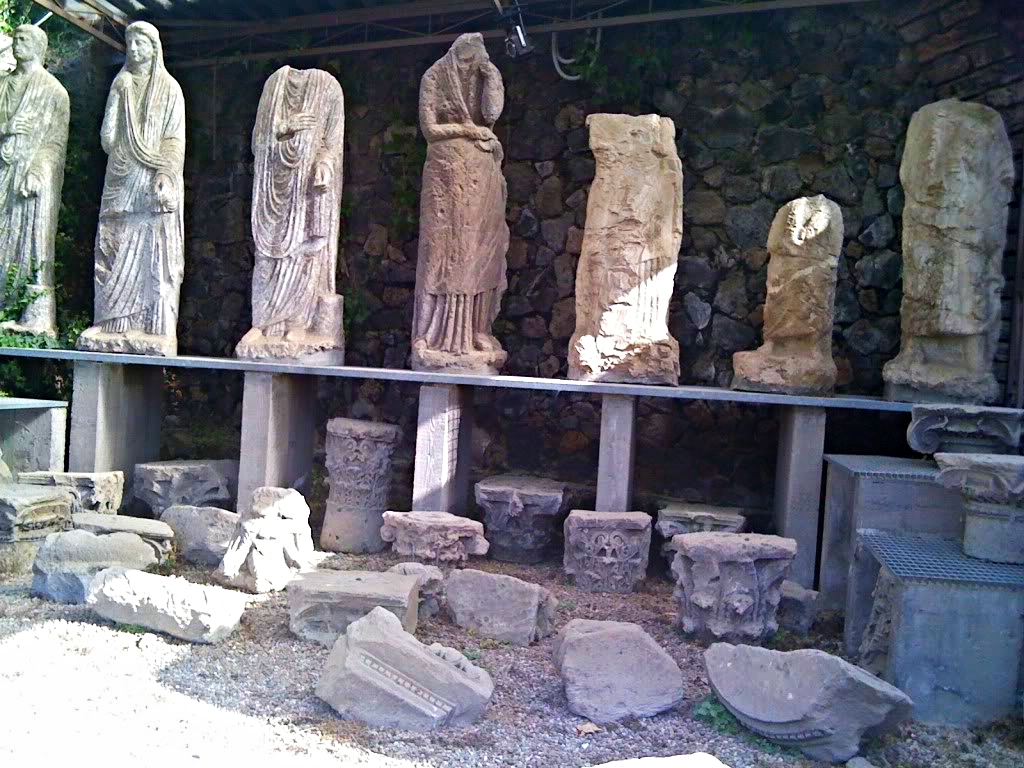
Statues found in the streets of Pompeii
Many sculptures from Pompeii and Herculaneum were removed from the original site and placed at the Archaeological Museum of Naples, Pompeiian mosaics and frescoes are also preserved in the Museum and date from the 2nd century BC to AD 79.
The owners of the House of the Vettii were freedman who become rich merchants.
Thanks to the many discoveries we can have an idea of the life in the Roman houses of Pompeii, constructed generally around two open courts; the atrium; an Italic feature and the colonnaded garden of Greek origin. But not only the architecture and the art in their walls, Pompeii reveals much more in the bodies of people unearthed along with their everyday objects.
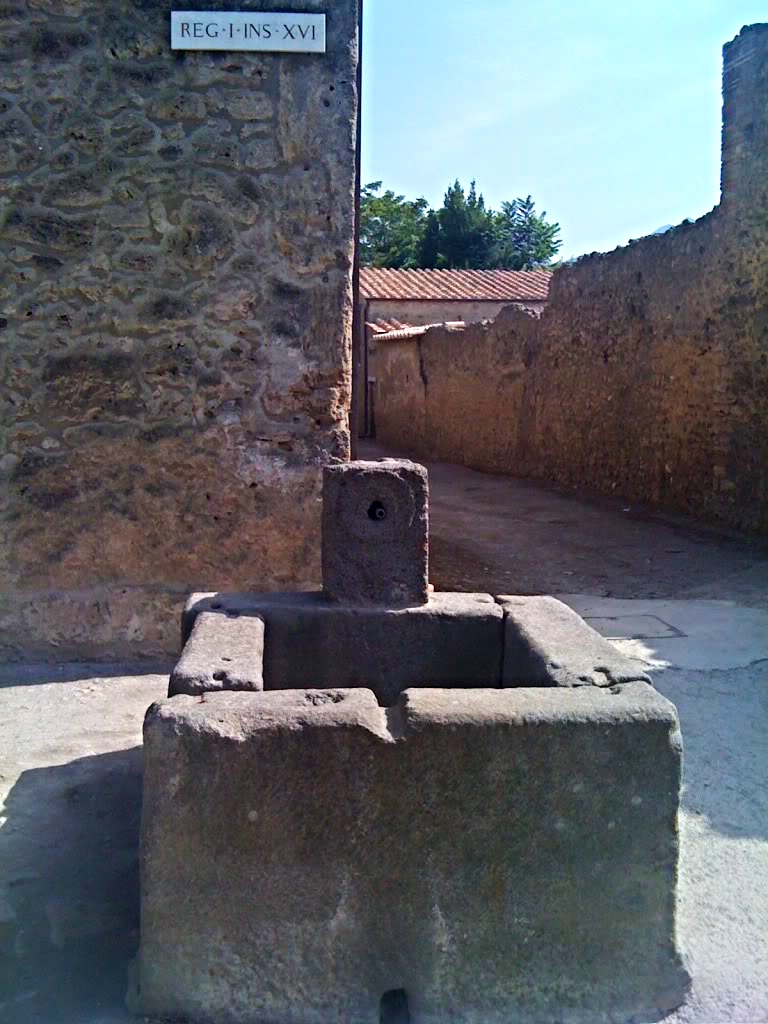
A public fountain in Via dell’Abbondanza. The excavations for this street lined with homes and shops ends just to the left of the Amphitheatre.
At the House of the Chaste Lovers is possible to see the fossilized bodies of the mules that used to drive the millstone for grinding wheat.
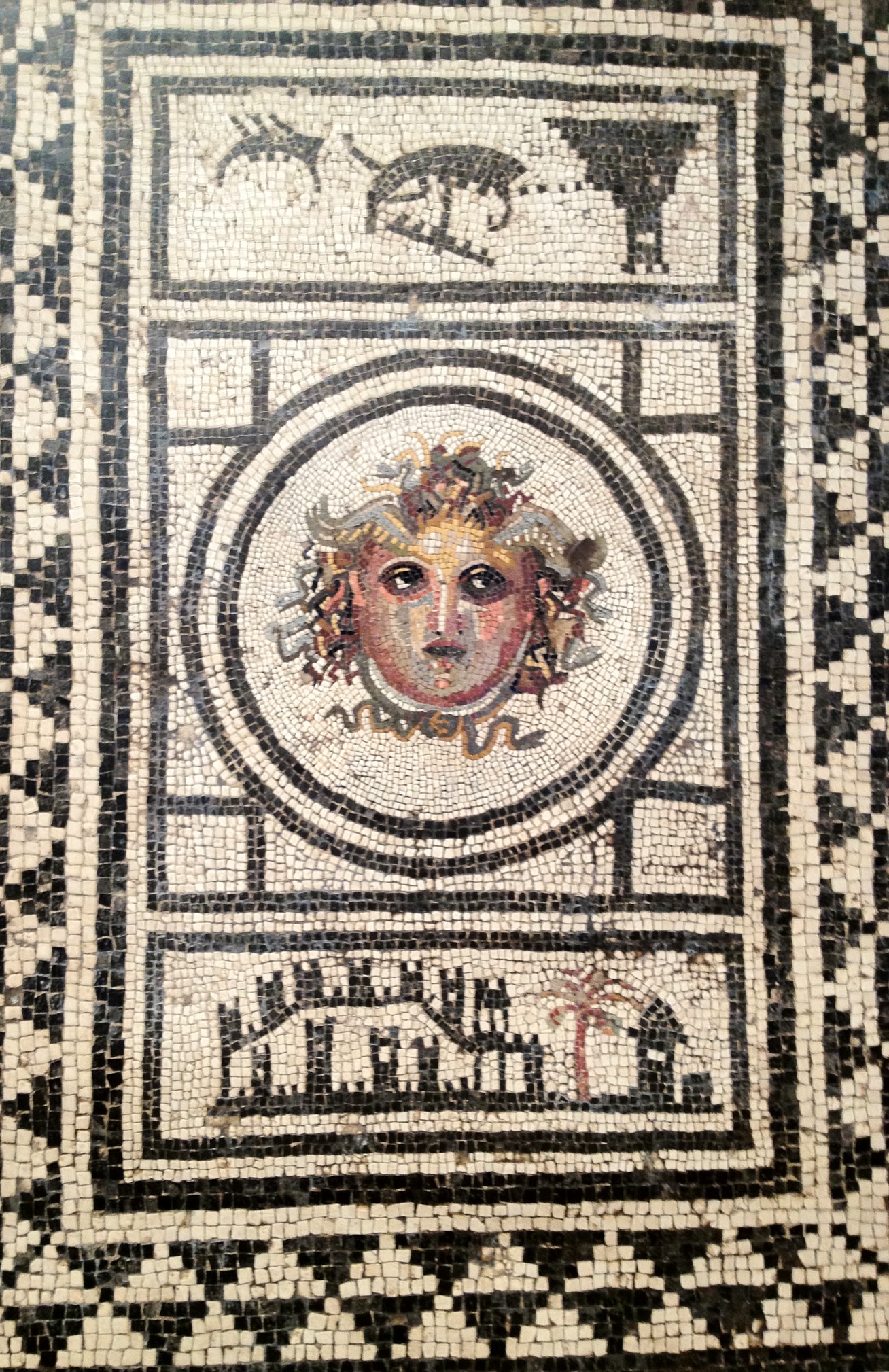
Medusa’s head (Mosaic IX Century BC) House of the Centaur. Pompeii. On display at the Museo Archeologico Nazionale
The Lunapare was the best organized of Pompeii’s many brothels. The walls were decorated with erotic paintings and sculptures symbolizing fertility or describing the many services offered in these houses.
Lacryma Christi and the ancient wine making in the Vesuvius
A Paleo Christian legend says that Christ cried over the Vesuvius and His Holy tears blessed the vineyards giving name to this excellent wine. Other legend distorted from the pagan mythology says that Jesus visited a hermit converting his bad beverage in to amazing wine. Today we can see many frescoes with wine rituals from the houses in Pompeii that have survived the ashes after the eruption of the Volcano.
The Wine Offering. Fresco found in Pompeii (VII Century BC) on display at The Archaeological Museum of Naples (Museo Archeologico Nazionale) Wine making and consumption was very important in Greek and Roman cultures, just like drinking water.
An example of ancient viniculture techniques in Pompeii 79 AD. Today these vineyards are curated by Mastroberardino wineries producing limited vintages of Greek origin vines.
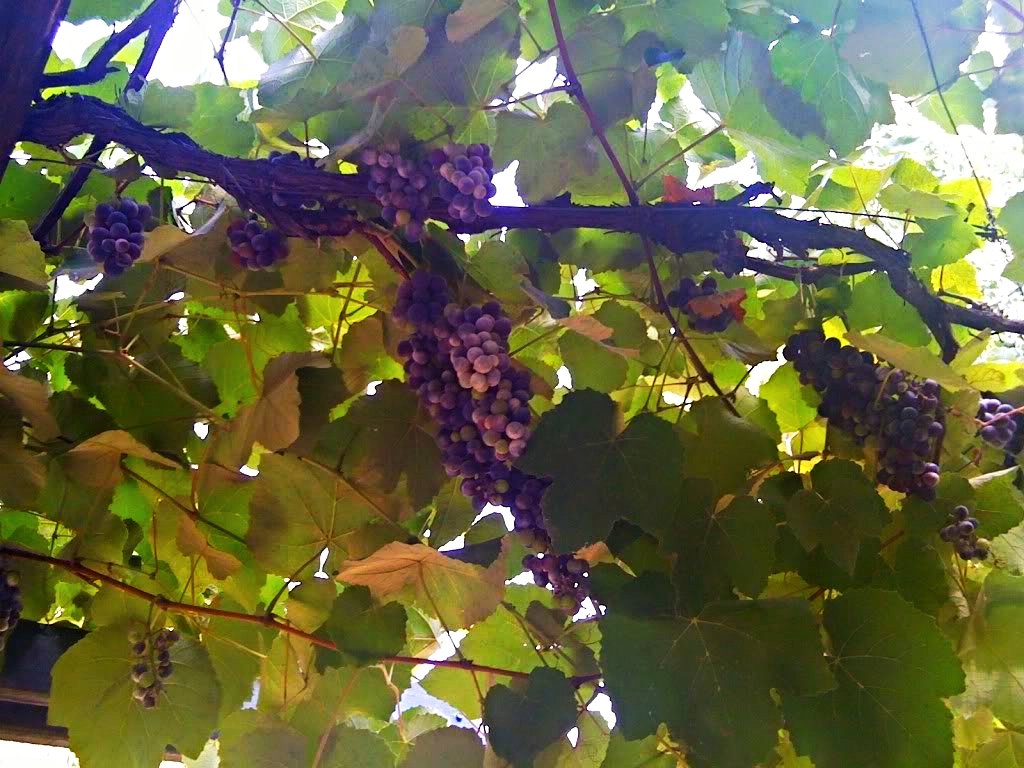
Ancient Caprettone vines facing the now dormant volcano.
The land around volcanoes are rich in alkali and phosphorus and is extremely fertile. Lacryma Christi is a great wine produced in the slopes of the Vesuvius.
The mineral soil of the Vesuvius where the Piedirosso and Aglianico grapes are used to make the Lacryma Christy reds.
In this volcanic land so rich for the agriculture the organic “Pienolo tomatoes” just like the wines; obtained the DOP category (Denomination of Protected Origin) The Pienolo tomatoes are promoted by the Slow Food Commission Vesuvian Chapter and are another example of sustainability in bio-agriculture.
Pienolo DOP tomatoes on display on a local Vesuvian trattoria; it shows the way the tomatoes are placed on stalks for their cultivation and after harvest they need to be maintained on the same way for better conservation, this is according to an ancient tradition in Campania.
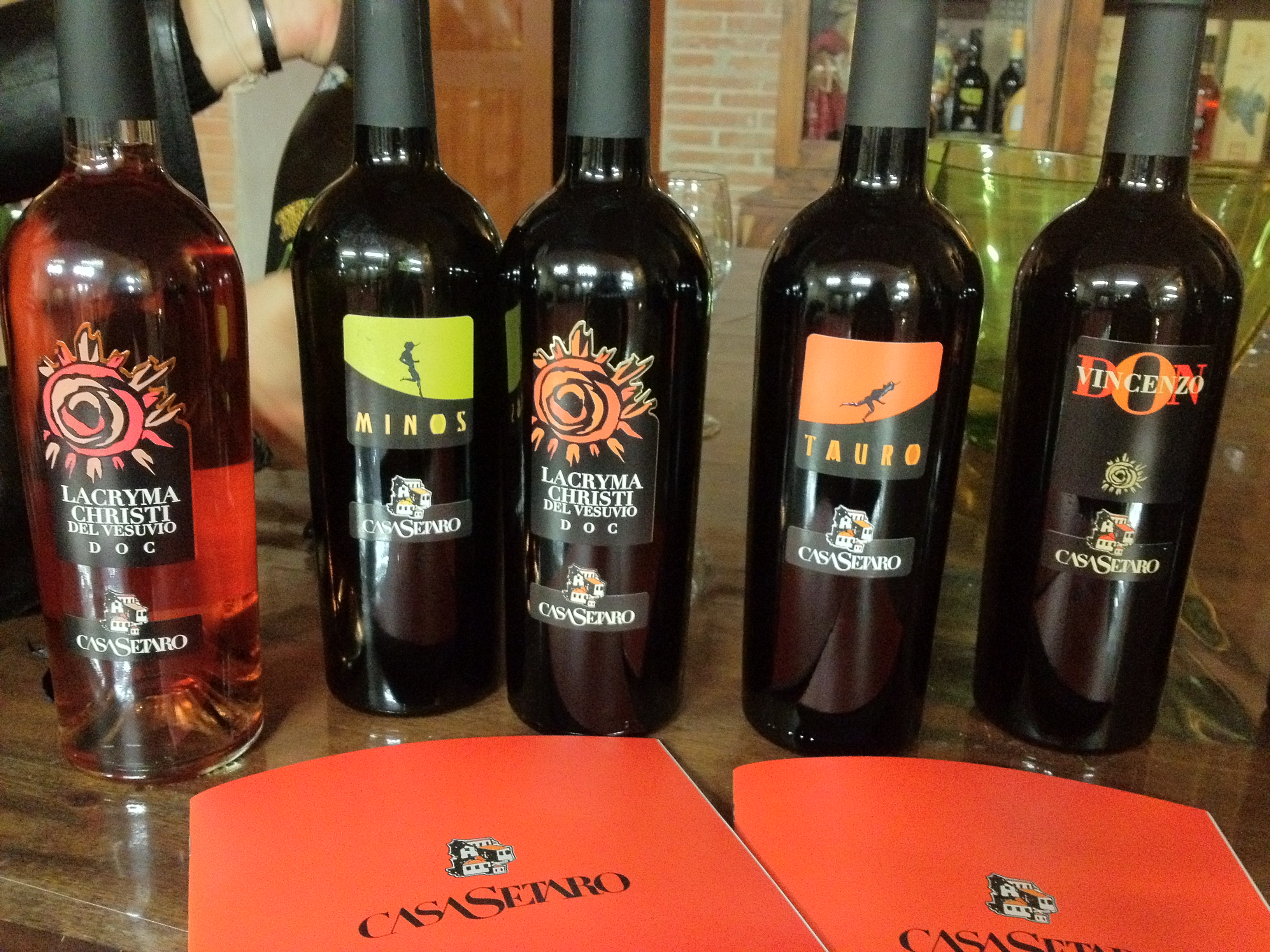
The Vesuvius National Park it’s a protected area where generations of family owned wineries make distinctive wines like Casa Setaro, a small wine producer that I had the pleasure to visit on my trip to the Vesuvius.
Aglianico vines in Pompeii
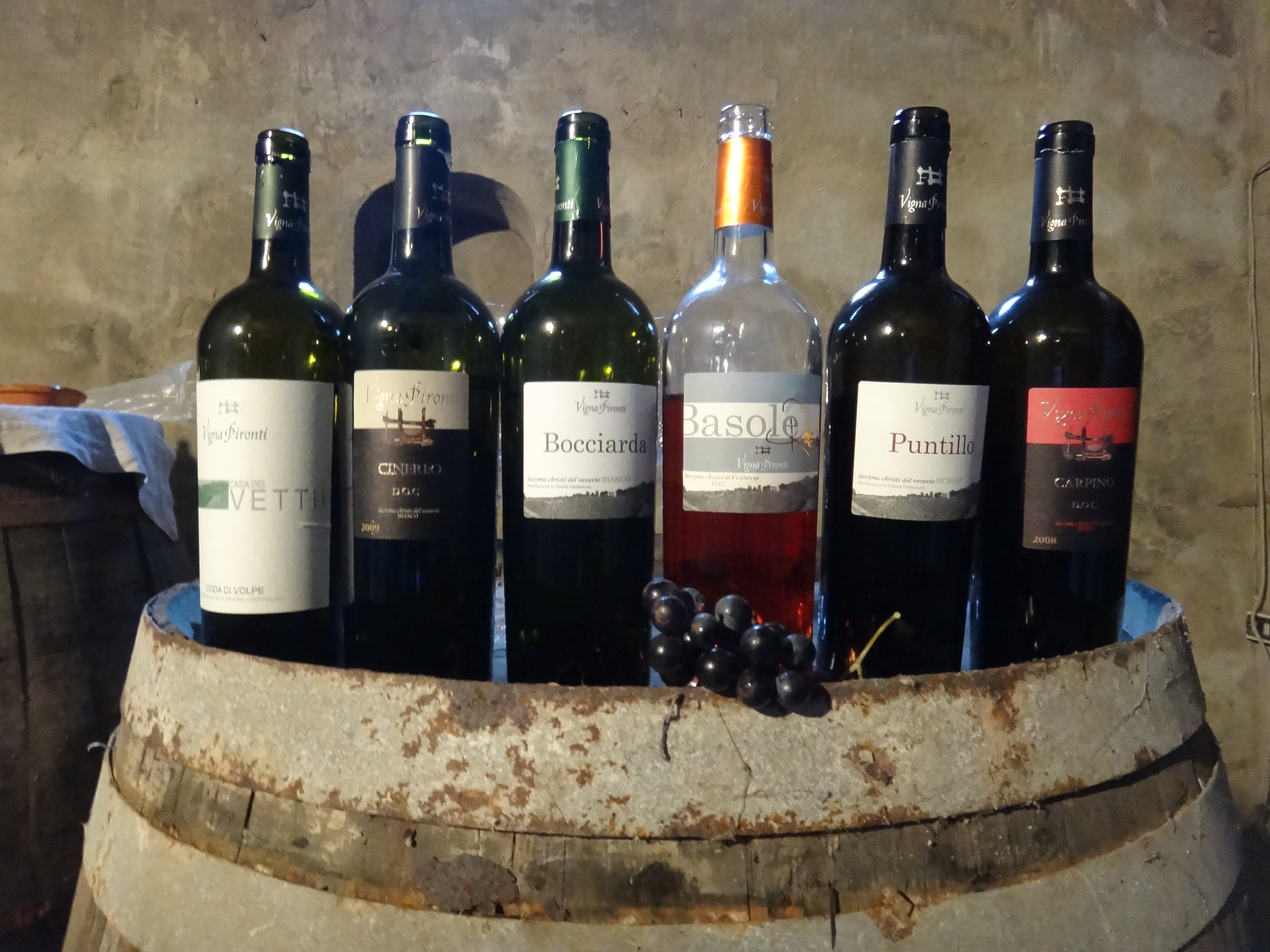
Visiting Vigna Pironti with the Italian Association of Sommeliers (AIS) Vesuvian Chapter. Vigna Pironti produces great red and wine varieties of Lacryma Christi, some of them named after the houses in Pompeii.
An ancient barn at Vigna Pironti’s fields
Detail of wall decoration. Pompeii
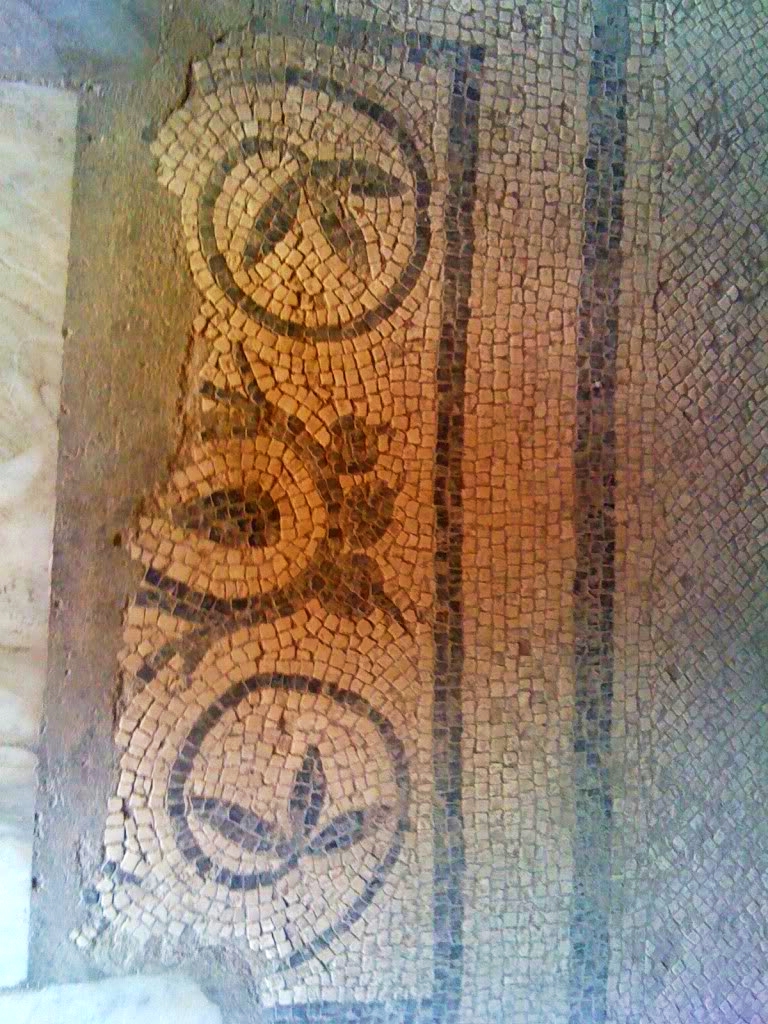
Detail of a mosaic found in Pompeii
Herculaneum
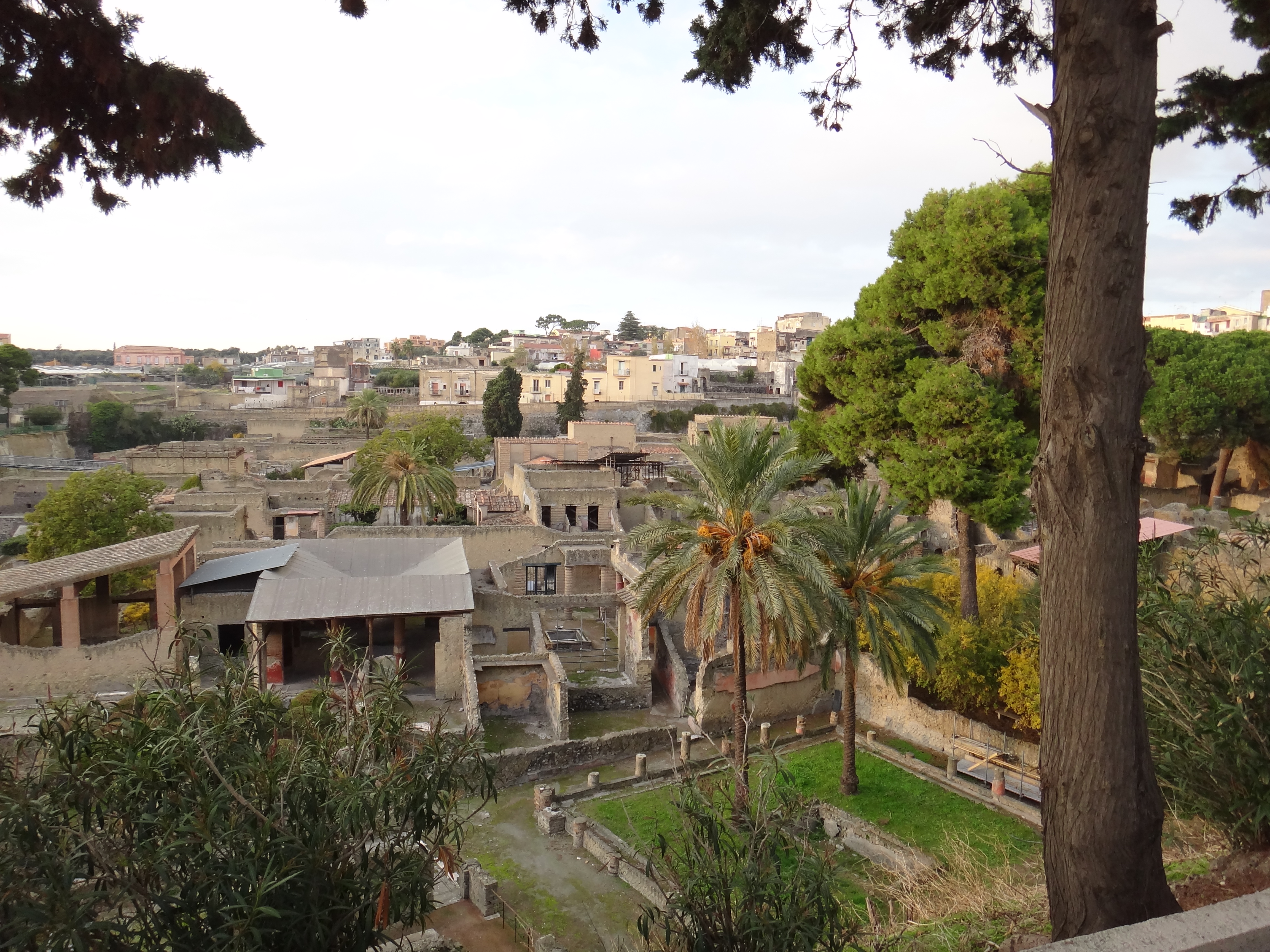
The town’s quiet existence was brought to an abrupt halt in AD 79 during the eruption of the Vesuvius that buried Pompeii with deep lava and mud. The site of ancient Herculaneum is well below the level of the modern town. The area is still being excavated.
In 89 BC the town became part of the Roman Empire, a residential municipium and resort.
Excavations in Herculaneum began in the 18th century and uncovered Roman houses built around a rectangular plan. Perhaps the best known is the Villa dei Papiri.
The Trellis House, a characteristic example of an inexpensive Roman multi-family dwelling and is made of wood and reed laths in crude tufa and lime masonry.
Many thanks to AIS Comune Vesuviane, Vigna Pironti and Casa Setaro Wineries for the fantastic tasting. Cheers!!! Thanks for reading.
(c) 2013 Montserrat Franco. All pictures by me taken with IPhone 4, 4S and Sony Cybershot. You are more than welcome to share them mentioning the font.